
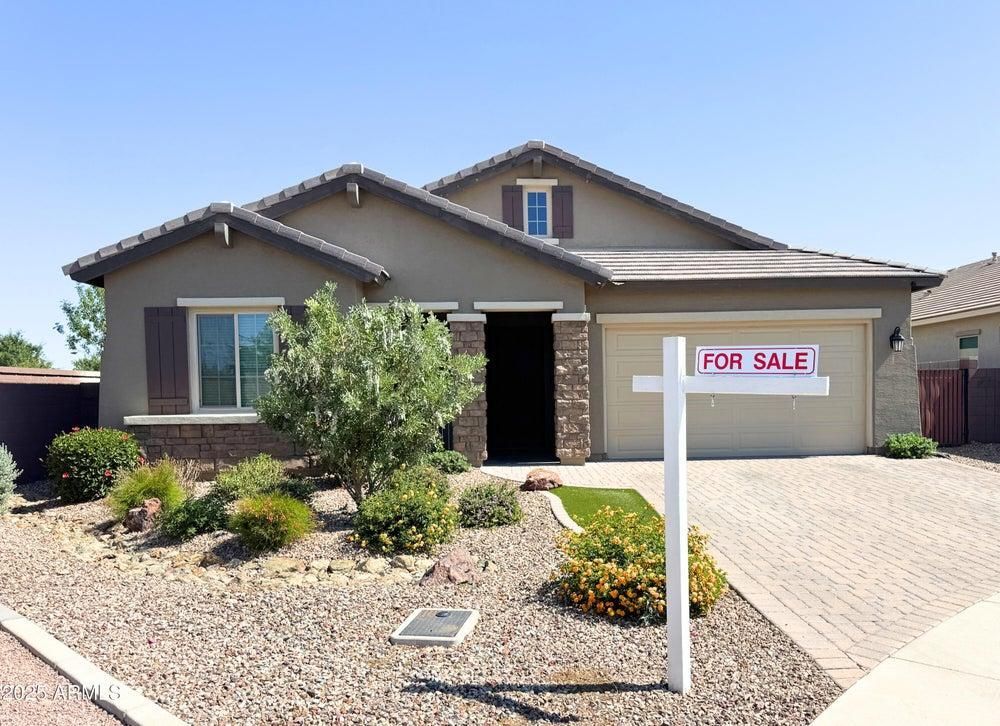
Does the name of the real estate brokerage really matter when selling your home? It's a fair question. Some real estate companies spend millions of dollars each year on billboards, television commercials, online advertising, and making sure their name is familiar to homeowners. But does that name recognition mean your home will sell faster or for more money? Not necessarily. After selling hundreds of homes across Mesa, Gilbert, Chandler, Queen Creek, Apache Junction, and the greater Phoenix area, I've seen excellent marketing from agents at large national brokerages and small independent companies. I've also seen some very poor marketing from both. The biggest difference is often not the company an agent works for. It's what that individual agent actually does to get your home sold. A Real Example From Three Listing Interviews Recently, we met with homeowners who were interviewing three different real estate agents to sell their property. Each agent had a very different plan. The first agent recommended painting the entire interior, moving all their belongings into storage, and paying thousands of dollars each month for professional staging. The sellers would also need to find temporary housing until their home sold. That's a lot of money to spend before even knowing how long the property might be on the market. Now, there are certainly homes where painting, professional staging, or even moving out makes sense. But those recommendations should be based on the home's condition, the competition, and the potential return on that investment. I later reviewed that agent's marketing and found that the listings I could see used photography without the additional marketing tools we typically provide. The second agent represented a very well-known brokerage with extensive television and billboard advertising. He explained that his company had a multimillion-dollar marketing budget that would help get their home sold. The homeowners asked a very good question: "How much of that marketing budget is actually spent marketing our home, rather than advertising your company to attract more sellers?" According to the homeowners, they didn't receive a clear answer. And that is an important distinction. A company can spend millions promoting its brand, but that doesn't necessarily mean it's spending that money to advertise your specific property to buyers. What We Did Differently When we arrived, we didn't start by telling the homeowners what their house was worth. Instead, we walked through the property, looked at its features and condition, discussed their plans, and answered their questions. We also shared examples of how Rover Realty markets homes, including: Professional photography and video tours Floor plans to help buyers understand the layout Custom yard signs featuring property photos YouTube videos and online marketing Professionally designed property brochures Complimentary light staging to help the home show its best We left them with our professionally bound seller's book, which explains our marketing process, introduces our team, and includes samples of the Arizona real estate contracts they could expect to see during the transaction. But there was one thing we didn't give them that day. A listing price. Why We Didn't Give Them a Price on the Spot The homeowners initially weren't thrilled that we wouldn't give them an immediate opinion of value. And I understand that. When you're interviewing agents, one of the biggest questions you have is, "What's my home worth?" You might also be wondering why we hadn't already researched the home and arrived with a price in mind. In this case, the sellers were the original owners. There were no prior listing photos for us to review, so much of what we knew before the appointment came from basic public records, such as the year the home was built and its square footage. But even if we had previous listing photos, our process wouldn't have changed. Photos don't tell the whole story. A home might look beautiful in pictures but have years of wear that isn't easy to see. There could be an unpleasant smell, an unusual floor plan, or something nearby that affects how buyers will feel about the property. On the other hand, the owners may have made beautiful upgrades that weren't reflected in older photos or public records. And sometimes it's simply the overall feeling you get when walking through a home. How the rooms connect, how much natural light comes in, and how the property compares to others you've seen. Those are things I want to experience in person before recommending a listing price. Once we've toured the property, we go back and study the market with a much better understanding of what we're comparing. We look at homes that have already sold to see what buyers have been willing to pay. But just as importantly, we look at the homes currently for sale because those are the properties we'll be competing against for the same buyers. A home doesn't sell in a vacuum. Buyers compare their options, and we need to understand how our listing will stand up against those choices. Only after putting all those pieces together do I feel comfortable recommending a price and a strategy to get the home sold. The next morning, we delivered a detailed digital report with comparable properties, our recommended pricing strategy, estimated selling costs, a net sheet, and a marketing plan specific to their home. We also included two simple sections: Our Homework and Your Homework. Their homework? Declutter some personal items and begin removing a few larger pieces of furniture they weren't planning to keep when they moved. That's it. No moving into temporary housing. No thousands of dollars in monthly staging fees. No recommendation to paint the entire interior. We would handle the light staging as part of our service. The husband called me the following morning and told me they were blown away by the time, research, and detail that went into our presentation. They chose Rover Realty to list their home. And while we're certainly happy to have earned their business, I think the bigger lesson is what happened during those three interviews. The homeowners weren't just choosing between three real estate agents. They were choosing three very different approaches to selling the same home. Does a Big Brokerage Have an Advantage? Sometimes, yes. Large brokerages may offer national referral networks, relocation connections, technology, and marketing resources that can benefit their agents and clients. But those resources are only valuable to a seller if the agent knows how to use them and actually puts them to work. It's also important to understand that agents within the same brokerage can operate very differently. One agent might invest heavily in professional photography, video, staging, and advertising. Another agent working under the exact same company name might provide only basic photos and an MLS listing. That's why I encourage sellers to interview the agent, not the logo. Don't Most Homes Go on the Same MLS Anyway? In the Phoenix area, most traditionally marketed residential listings are entered into the Arizona Regional Multiple Listing Service, better known as ARMLS. That means a properly listed home can be available to the real estate agents searching that system, whether the listing brokerage is a national franchise or a locally owned company. Many listings are also distributed to major home search websites. The brokerage name alone doesn't determine whether buyers can find your home. But what those buyers see when they find it can make a huge difference. Consider two similar homes listed at the same price. One has basic photos and a short description. The other has beautiful professional photography, a video tour, a floor plan, detailed property information, and marketing that highlights what makes the home special. Which one do you think is more likely to catch a buyer's attention? That's where an individual agent's marketing plan becomes important. Five Questions to Ask Before Hiring Any Real Estate Agent Whether you're interviewing an agent from a national company or a local independent brokerage, here are five questions worth asking. 1. Can you show me examples of homes you've recently marketed? Don't just look at the sold prices. Look at the photography, videos, property descriptions, and other materials used to attract buyers. 2. What marketing will you do specifically for my home? Ask what is included, what costs extra, and how the agent plans to reach buyers who might be interested in your property. 3. How much will I need to spend before listing? Some homes benefit from repairs or improvements, but every recommendation should have a clear purpose. Ask why the work is needed and whether the likely benefit justifies the cost. 4. How did you determine the recommended listing price? A good pricing recommendation should be supported by current market data, competing listings, and an understanding of your home's condition and features. 5. Who will actually be handling the sale of my home? Ask who will communicate with you, coordinate marketing, review offers, negotiate repairs, and help manage the transaction through closing. The Best Brokerage Is the One With the Right Agent and Plan There are excellent real estate professionals working for national brands, regional companies, and independent brokerages throughout Arizona. A recognizable name may give you confidence, but it shouldn't replace asking questions and reviewing the actual work. At Rover Realty, we are a locally owned brokerage, and we take pride in providing professional marketing, hands-on service, and a detailed plan for every home we represent. We don't expect sellers to hire us simply because we tell them we're good at what we do. We want them to see our work, understand our recommendations, and know exactly what we're going to do to help sell their home. Because when it comes to selling your home, the most important name isn't the one on the brokerage sign. It's the person responsible for getting the job done. Frequently Asked Questions Do large real estate brokerages sell homes faster than small brokerages? Not automatically. The home's price, condition, location, market competition, and individual agent's marketing strategy are generally more useful factors to evaluate than brokerage size alone. Will my home get less exposure if I list with a small real estate company? Not simply because the brokerage is smaller. Homes listed through ARMLS can receive broad exposure to participating real estate professionals and, when applicable, consumer home search websites. Additional marketing varies by agent. Do big real estate companies spend more money advertising my home? Some do, but a company's overall advertising budget may include promoting the brokerage itself, recruiting agents, and attracting future clients. Ask what advertising is specifically included for your property. Should I hire the agent who suggests the highest listing price? Not without reviewing the data. A higher suggested price doesn't mean a higher final sale price. Ask each agent to explain the comparable sales and market conditions supporting their recommendation. What should I look for when comparing real estate agents? Look at examples of their actual listings, the services they provide, their experience, communication plan, pricing strategy, and how they intend to market your specific home. Is an independent real estate brokerage a good choice for selling a home in Arizona? Absolutely, provided the agent has the experience, resources, and marketing plan to serve your needs. The quality of the individual agent and the services offered matters far more than whether the brokerage is independently owned or part of a national franchise. Thinking About Selling Your Home in Mesa or the East Valley? At Rover Realty, we're happy to show you exactly how we market homes and what we'd recommend for your property. Contact us to schedule a seller consultation and learn what goes into our personalized marketing plans. Rover Realty | Real Agents Helping Real People

Thinking about selling your Arizona home for cash? Before you accept an offer, there's something you should know: Not all cash buyers are the same, and not all cash offers are created equal. We hear from homeowners all the time who want to sell their homes for cash. Some need to move quickly. Others have homes that need major repairs, inherited properties they don't want to fix up, or financial problems that make a traditional home sale feel overwhelming. And sometimes, sellers simply don't want the hassle of cleaning, making repairs, and having strangers walk through their homes. The good news? Selling your home for cash can be a great option. But here's what many homeowners don't realize. There are different types of cash buyers, and understanding who you're working with could make a big difference in how much money you walk away with. What Is the Difference Between a Cash Investor and a Wholesaler? You may have received postcards, text messages, or phone calls from companies offering to buy your house for cash. But who is actually making that offer? What Is a Real Estate Investor? A real estate investor is someone who buys property with the goal of making money from it. They might fix up the home and sell it, keep it as a rental, or make improvements before putting it back on the market. A direct investor typically plans to purchase the property themselves. Many investors can offer benefits such as: Buying the home in its current condition Closing quickly, sometimes in just a couple of weeks Allowing sellers to leave unwanted belongings behind Avoiding the need for repairs or updates Offering flexible moving arrangements Of course, investors need to make a profit. That means their offers are often below what a home might sell for on the open market. But that doesn't automatically make an investor offer a bad deal. Sometimes the speed, convenience, and money saved on repairs make it the right choice. What Is a Real Estate Wholesaler? A wholesaler works a little differently. Instead of buying the home themselves, a wholesaler often puts the property under contract and then looks for another buyer willing to pay more for the opportunity to purchase it. Here's a simple example. A wholesaler offers you $300,000 for your home. You agree and sign a contract. The wholesaler then finds an investor willing to pay $320,000 to take over that contract. If the contract allows the assignment and the transaction closes as planned, the wholesaler could collect the $20,000 difference as an assignment fee. The wholesaler may never actually own your home. Now, wholesaling isn't automatically bad. There are legitimate wholesalers who help connect sellers with investors. But sellers need to understand something important. The person offering to buy your house may not actually have the money or intention to purchase it themselves. And if they cannot find another buyer, your transaction could fall apart. That's a big deal if you're counting on that money or need to close before a certain deadline. How Do I Know If a Cash Buyer Is Legitimate? Before accepting any cash offer, there are several things worth checking. Does the buyer have proof of funds? A buyer offering cash should be able to show that they have access to the money needed to complete the purchase. We also want to understand whether those funds are their own or coming from another source. Can the buyer assign the contract to someone else? Some purchase contracts allow the buyer to transfer their rights to another party. Sellers should understand what that means before signing. How much earnest money is the buyer putting down? A buyer offering $350,000 but putting down very little earnest money may present a different level of risk than someone making a serious deposit with clear contract terms. How long is the inspection period? Even cash buyers may have the right to inspect the home and cancel under certain conditions. A long inspection period can give a buyer time to shop the property or reconsider the purchase. What happens if the buyer doesn't close? This is especially important for sellers facing foreclosure, moving deadlines, or other financial pressure. The highest offer isn't always the best offer if the buyer cannot perform. Can a Realtor Help Me Get a Better Cash Offer? Absolutely. And this is something we do regularly at Rover Realty. Many homeowners assume that if they want a cash offer, they need to contact one of the companies advertising on television or sending postcards. But those companies aren't your only option. We work with investors and other cash-buying resources to help homeowners compare offers, terms, and closing timelines. And sometimes, shopping those offers makes an enormous difference. A Real Arizona Family We Helped Avoid Foreclosure Recently we closed on a home for a family facing a very difficult situation. Their home needed significant work, they were already in preforeclosure, and time was running out. They had done what many homeowners do. They reached out to cash buyers on their own and received several offers ranging from $300,000 to $305,000. They knew they needed to sell quickly, and those offers seemed like their available options. But we believed we could do better. Instead of accepting one of those offers, we shopped the property to investors and found a buyer willing to pay $355,000 cash . That's $50,000 more than their highest previous offer. And the purchase price wasn't the only improvement. We also negotiated post-closing possession, giving the family additional time to move after the sale, along with a moving pod to help with the transition. But here's where the story becomes even more important. Once we got into the transaction, additional liens were discovered against the property. Suddenly, that extra $50,000 wasn't simply a nice bonus. It was critical. Had the family accepted one of their original offers, they likely would not have had enough money to satisfy everything owed on the home. They could have lost the property to foreclosure. Instead, we were able to close the sale, pay off the outstanding obligations, and still leave the family with money to begin their next chapter. Same house. Same condition. Same urgent timeline. A very different outcome. That's why we encourage sellers to explore their options before signing a cash purchase contract. Do I Have to Fix Up My House to Sell It Traditionally? No. And this is another common misunderstanding. Many homeowners assume they have only two choices. Spend thousands of dollars fixing up the house, or sell it at a steep discount to a cash buyer. But there's often a third option. You may be able to list your home on the MLS in its current condition and attract buyers who are willing to take on the repairs. At Rover Realty, we've helped homeowners sell properties that needed roofs, air conditioning systems, flooring, paint, and other major improvements without requiring the sellers to pay for all those repairs upfront. Sometimes we can negotiate a credit to the buyer instead of making the repairs. In other situations, we can work with vendors who are willing to be paid from the proceeds at closing, with the seller's approval. Of course, not every home qualifies for traditional financing. Some properties are simply in too much distress. That's when comparing investor offers becomes even more important. Will I Make More Money Selling My Home for Cash or Listing It? That depends on the home, its condition, the local market, and how quickly you need to sell. Let's say you receive a $300,000 cash offer for a home that might sell for $340,000 through traditional marketing. At first glance, the $340,000 offer looks better. But we still need to consider the full picture. Would the home need repairs before a financed buyer could purchase it? How much would those repairs cost? What are the selling expenses? How long might the property sit on the market? And what would happen if the buyer's financing fell through? On the other hand, perhaps the home could sell for $340,000 without major repairs, and the seller has plenty of time. In that case, accepting $300,000 simply for the convenience of cash might mean leaving a substantial amount of money on the table. The number that matters most isn't just the offer price. It's how much money you'll actually walk away with, how long it will take, and how likely the sale is to close. That's why we look at estimated net proceeds and the risks involved, not just the price written on the contract. What If I'm Facing Foreclosure and Need to Sell My House Fast? If you've fallen behind on your mortgage payments and are facing foreclosure, time becomes one of the most important parts of the decision. But being in a hurry doesn't mean you should accept the first offer that comes along. In Arizona, the foreclosure process can move quickly once a trustee's sale has been scheduled. The earlier you explore your options, the more opportunities you may have to protect your equity. We've worked with homeowners facing very short deadlines, including out-of-state owners and families dealing with inherited properties. In these situations, we focus on finding a qualified buyer, understanding the amounts owed, working with the title company, and establishing a realistic closing timeline. And as our recent client's story shows, finding the right investor can make the difference between walking away with money and potentially losing the property. A sale is not guaranteed to stop a foreclosure. Any required payoff and closing must be completed in time, or the lender or trustee must agree to another arrangement. Can Rover Realty Help Me Shop Cash Offers Without Listing My House? Yes. You don't have to commit to putting your home on the MLS just to find out what cash buyers might be willing to pay. We can help you evaluate the condition of your home, explore potential investor interest, and compare offers to see what makes the most sense for your situation. And if traditional marketing appears likely to produce a better result, we'll explain why. Our goal isn't to push every seller toward the same solution. Some homes are best sold through the MLS. Others are better suited for a direct investor purchase. And sometimes a seller simply needs a fast, reliable closing with as few complications as possible. Whatever the situation, we want homeowners to understand their options before making a decision that could affect their financial future. Thinking About Selling Your Arizona Home for Cash? Before you sign a contract with a cash buyer, wholesaler, or investment company, have a conversation with Rover Realty. Whether your home is in excellent condition, needs major repairs, is part of an estate, or you're facing a tight financial deadline, we can help you understand what your home may be worth and explore different ways to sell it. You may be surprised by what a little competition between cash buyers can do. At Rover Realty, we believe sellers deserve to know their options, even when a traditional listing isn't the best one. Contact Rover Realty in Mesa, Arizona, to discuss your cash sale options. We help homeowners throughout Mesa, Gilbert, Chandler, Queen Creek, Apache Junction, San Tan Valley, and the surrounding East Valley. Real agents helping real people.

The short answer is yes. But selling a home with tenants can be more complicated than most homeowners realize. One of the questions I get from Arizona homeowners is whether they can sell their rental property while tenants are still living there. The answer is yes. You do not have to wait until the tenants move out to put your home on the market. But here's what many sellers don't know: Having tenants in the home can greatly reduce the number of buyers who can purchase it. And that can affect how much money you walk away with. Let's talk about why. First, When Does the Lease Expire? This is one of the first questions I ask when someone wants to sell a home with tenants. Why? Because in Arizona, selling a home does not automatically cancel an existing lease. If your tenants have six months left on their lease, the new owner generally must honor those six months. You cannot simply sell the property and expect the tenants to move out because someone else bought it. There are exceptions, such as when a tenant breaches the lease and the landlord has legal grounds to end it. But simply wanting to sell is not one of them. That brings us to something even more important. Your Tenants Could Be Keeping Buyers From Qualifying for Your Home This is the part that surprises many sellers. Most people shopping for a home are looking for somewhere they can actually live. And many buyers purchasing a primary residence use a mortgage that requires them to move into the property within a certain amount of time. For many owner-occupied mortgage programs, that means moving into the home within 60 days of closing. Now imagine your tenants have six months left on their lease and have no interest in leaving early. A buyer who plans to live in the home may not be able to meet the occupancy requirements of their mortgage. That means your home may no longer be an option for that buyer. Instead, your potential buyers may be limited to investors, certain second-home buyers, or cash buyers whose plans and financing allow them to honor the existing lease. And here's the problem. Fewer qualified buyers can mean fewer offers, more time on the market, and potentially a lower sales price. In a buyer's market, where sellers are already competing for attention, reducing your buyer pool can be an expensive mistake. What About Showings With Tenants Living in the Home? Even if the lease is ending soon, there are other challenges to consider. Think about what it's like to sell a home when you're living in it. You have to keep it clean, make arrangements for showings, and sometimes leave on short notice. Now imagine you're being asked to do all of that for a home you don't even own. Your tenants may work from home. They may have pets or young children. They may have schedules that make it difficult to leave for showings. And let's face it, they may not be thrilled about having to move. Even tenants who are cooperative may not keep the home in the condition we'd like for professional photos or buyer showings. That doesn't mean they're bad tenants. It simply means their priorities may be very different from yours. As a seller, you want the home to look its best and be available when buyers want to see it. Your tenants just want to live their lives. Those two goals don't always work well together. Arizona landlords must also follow the state's rules regarding notice and access to the property. A home being listed for sale does not remove the tenants' rights. Professional Photos Can Be Another Challenge Another issue sellers don't always consider is that we may not be able to use current interior photos to market the home. Many tenants are understandably uncomfortable having photos of their furniture, personal belongings, family pictures, and valuables displayed all over the internet. And even if a tenant agrees, photographing and publicly advertising their personal belongings can create privacy and potential liability concerns. That puts us in a difficult position because professional photography is one of the most important tools we use to attract buyers. In some cases, we may be able to use older photos of the home, provided they accurately represent its current condition and meet MLS rules. Otherwise, we may have to market the property with limited interior photography. And when buyers are scrolling through dozens of homes online, a listing without interior photos can easily get passed over. This is another reason selling a home with tenants can affect not only who can buy it, but how effectively we can market it. Can I Ask My Tenants to Move Out Early? Absolutely. You can ask. But if they have a valid lease and have not breached it, they generally do not have to agree. Sometimes sellers and tenants can work out an agreement that benefits everyone. For example, a seller might offer to help with moving expenses or provide a financial incentive in exchange for the tenants agreeing to end their lease early. This is sometimes call.

A personal representative recently called me with a great question: “Do I have to list the probate home through the traditional process?” My first answer was that the probate attorney should answer the legal part of that question. Every estate is different, and the personal representative's authority can depend on the probate, the will, court orders and other factors. But once we know what the estate is allowed to do, then we can talk about the real estate side. And this is where people are sometimes surprised. A Probate House Does Not Have to Be Perfect to Sell One of the biggest concerns I hear from families is that there simply isn't money available to fix the house. Maybe the roof needs work. The HVAC is old. There is deferred maintenance. The flooring needs to be replaced. The house needs paint, landscaping or a major cleanout. Sometimes there isn't an estate account full of cash available to take care of those things. And the family may not want — or be able — to personally pay thousands of dollars to prepare a property they don't own personally. That doesn't automatically mean we have to skip the traditional real estate market. In my experience, most probate homes can still be marketed to the broader buying public, even when they need work. Selling As-Is Doesn't Always Mean Selling to an Investor This is an important distinction. A home can be sold in its current condition without automatically going straight to an investor. Sometimes we price the home to account for its condition. Sometimes a buyer is willing to accept an issue because the price makes sense. Other times we may negotiate a credit toward something the buyer will need to address after closing. We've also worked with vendors who were willing to complete necessary work and wait to be paid from the closing proceeds. Whether that option makes sense depends on the estate, the property, the vendor and the expected sale proceeds. The goal isn't necessarily to make an older probate property look like a remodeled home. The goal is to determine what will give the estate the best path forward based on the condition of the property, available funds, timeline and likely buyers. When an Investor Sale May Make More Sense There are exceptions. I've walked into estate properties where the condition was so far removed from what we could reasonably market to a typical buyer that an investor-focused strategy made more sense. The property may not have been financeable. There may have been significant safety or condition issues. Sometimes access itself needs to be limited. In those situations, after the personal representative consulted with the attorney about what was permitted, we were able to market the property specifically toward investors and arrange limited showings. But in my experience, those properties have been the exception rather than the rule. Why Market Exposure Matters This is where I think personal representatives need to be careful. An investor may offer a quick sale and no repairs, and sometimes that is exactly what an estate needs. But convenience has a value. Before automatically choosing that route, I want to understand what the property might bring if we expose it to a larger pool of buyers. Could a conventional buyer purchase it? What about an FHA or VA buyer? Would financing work if one specific repair were completed? Could a buyer take on the needed improvements in exchange for the right price? Would completing a small amount of work before closing substantially increase the buyer pool? Those are real estate questions we can help answer. The legal questions stay with the attorney. Our Job Is to Give the Personal Representative Options When Jason and I walk an estate property, we're not walking in with a predetermined answer that the family needs to spend money fixing everything. Quite the opposite. We look at what we're dealing with. What needs immediate attention? What can be left alone? What could prevent financing? What might scare buyers but doesn't actually need to be repaired? Is there work that could potentially be completed without the family paying for it upfront? Then I look at the real estate side: likely value, buyer pool, comparable sales, expected days on market and how the property's condition affects our marketing and pricing strategy. From there, we can give the personal representative different paths to consider. The attorney can advise them on what they have the authority to do. We can explain what those different choices may look like in the real estate market. Don't Assume You Have to Spend Thousands Before Calling a Realtor This may be the biggest takeaway. Please don't start spending money simply because you think a probate house has to be “market ready” before you can sell it. Let us see it first. We've dealt with homes that needed almost nothing and homes that needed an enormous amount of work. We've worked with families who had funds available and estates where there was very little cash to work with. Those circumstances don't automatically determine whether the house can be sold. They help determine how we should sell it. And sometimes the smartest thing we can tell a family is, “Don't spend money on that.” Frequently Asked Questions Do I have to repair a probate house before selling it? Not necessarily. Many estate properties are sold in their current condition. We look at the home's condition, likely buyer pool and financing issues before recommending that the personal representative consider spending money on repairs. Can a probate home be sold as-is? Potentially, yes. “As-is” does not necessarily mean the property can't be marketed to regular homebuyers. The condition of the property and the type of financing a buyer plans to use can make a big difference. Do I have to sell a probate property to an investor if it needs work? No. Needing repairs does not automatically make a property investor-only. Some homes that need substantial updating can still attract buyers who plan to improve the property themselves. What if the estate doesn't have money for repairs? That is not unusual. Depending on the property and circumstances, there may be alternatives to paying for everything upfront. In some situations, we've worked with vendors willing to be paid from closing proceeds. In others, we've adjusted the pricing or negotiated with a buyer based on the home's current condition. When does selling directly to investors make sense? It may make sense when a property has severe condition or safety problems, can't reasonably qualify for common financing, requires restricted access, or when other circumstances make a traditional marketing strategy impractical. We evaluate those situations individually. Does a personal representative have the authority to sell the house? That is a question for the probate attorney. A personal representative's authority can depend on the estate, court orders, the will and how the probate is being administered. We handle the real estate strategy while the attorney provides the legal guidance. Should I call the probate attorney or Realtor first? Either is fine. If you call us first, we can look at the property and help identify the real estate questions that need to be answered. But when a question involves the personal representative's legal authority or probate requirements, we'll direct you back to the attorney for that answer. Need Help Figuring Out What to Do With an Arizona Probate Property? You don't have to clean everything out, make repairs or spend thousands of dollars before having us look at the house. Rover Realty works with personal representatives, trustees and families throughout Arizona who are trying to determine the best way to handle an inherited or estate property. We can walk the property, evaluate its condition and value, explain the likely buyer pool and give you practical options to discuss with your probate attorney before you decide how to move forward.

Yes, ChatGPT can help you research your home's value. But should you use ChatGPT to decide what price to put on your home? That's where I would be very careful. I use AI in my own business. I think it's a fantastic tool for helping organize information, research questions and work through large amounts of data. But there is one very important rule with AI: What you put into it can completely change what comes out. And when we're talking about the value of your home, the information that isn't entered can sometimes matter just as much as the information that is. I ran into a perfect example of this recently. The Seller Had Already Priced His Home With ChatGPT A seller called me who had unfortunately already listed his home with another agent. As we talked, he mentioned that he had used ChatGPT to help determine his listing price. His agent had agreed with the number. The home was listed at $925,000 . The seller was actually concerned that they might have priced it too low. There was just one problem. After nearly a month on the market, they hadn't had a single showing. That got my attention. So I pulled the comparable sales. The Same Floor Plan Sold From About $730,000 to $1.23 Million This wasn't a situation where I had to compare completely different homes. I found several sales with the same model or very similar homes. And the price range was enormous. One had been completely gutted and beautifully redesigned. It looked like professional design work had gone into nearly every part of the house. That home sold for approximately $1.23 million . Another had received quite a few updates, although it wasn't completely remodeled. That one sold around $900,000 . Another still had much of its original older style and finishes. It sold around $850,000 . And another had visible wear, few updates and needed work. That home sold for approximately $730,000 . Same basic house. Very different presentation. Very different condition. Very different sale prices. There was roughly a $500,000 spread between the lowest and highest sales. That's where simply finding a "model match" isn't enough. A Comparable Home Isn't Automatically an Equal Home This is where experience comes into the pricing process. The $1.23 million sale showed us what that model could potentially command when beautifully remodeled. It did not mean every home with that floor plan was suddenly worth $1.23 million. Likewise, the $730,000 sale didn't mean every home with that floor plan was worth $730,000. The real question was: Where did this particular house fit within that range? That's the part that requires interpretation. Buyers Don't Put a Dollar Value on Every Update The seller's home had some very nice features. It had beautiful travertine flooring. It backed to a wash, giving it one of the better lots. It also had owned solar. But the interior was extremely personalized. There were many different paint colors, sometimes multiple colors within the same room. The kitchen had several cabinet colors and finishes along with multiple competing tile designs. The primary bathroom also had several different tile selections. A seller may love those choices. Another buyer might, too. But when I'm pricing a home, my job isn't to determine whether I personally like someone's decorating style. My job is to consider how the largest pool of likely buyers may respond to it. Highly personalized finishes can reduce that pool. And that's something a computer can't fully understand simply by knowing the square footage, bedroom count, lot size and recent sales. Sometimes the Best Features Are Already There—We Just Can't See Them One of the things that immediately stood out to me was the travertine flooring. It was beautiful. But instead of being a focal point, it was getting lost among all the competing colors and finishes. I suggested that the seller consider painting the interior a soft neutral white. I also suggested bringing the upper kitchen cabinets back to the same brown tone as the lowers and removing the decorative tile above the cabinets. Those weren't suggestions designed to turn the home into the $1.23 million remodeled comp. They were designed to quiet everything else down so buyers could actually notice what the home already had going for it. There's a big difference. Price Isn't the Only Problem When a Home Doesn't Sell The home had another major advantage: the lot . It backed to a wash. Yet buyers scrolling through the listing wouldn't see the backyard until approximately photo #91 . Think about how people shop for homes online. How many buyers are going to look through 90 photos before deciding whether a house deserves a showing? One of the home's strongest features was essentially buried. The listing also wasn't highlighting the owned solar , another feature that could matter to buyers. So now we had several issues working together: The price didn't match the home's current condition. The interior presentation was likely limiting buyer appeal. One of the best features of the property was buried deep in the photos. And another important feature wasn't being properly marketed. That's why selling a house isn't simply about calculating a price per square foot and putting it into the MLS. What Would I Have Done Differently? After reviewing the home and the comparable sales, I told the seller something he probably wasn't expecting. I would not have agreed to list his home at $925,000. In my professional opinion, I didn't see the market supporting that number based on the home's current condition and the competing sales. Taking a listing at a price I don't believe has a realistic path to a sale doesn't help the seller. It also costs me marketing dollars and time without a likely positive outcome. Instead, I suggested making a few strategic changes. Neutralize the interior paint. Simplify the kitchen finishes. Let the travertine become an asset instead of competing with everything around it. Then completely rethink the marketing so the wash lot and owned solar were front and center. With those changes and the right marketing, I felt the home could potentially compete around the $800,000 range , based on the information I reviewed at that time. There would still be some challenges. The highly personalized tile selections in areas such as the primary bathroom weren't inexpensive things to change, so we would need to position the home knowing some buyers would factor those finishes into their offer. That's the kind of conversation I believe a seller deserves before putting a home on the market. So, Can AI Tell You What Your Home Is Worth? AI can be an incredibly useful tool. I use it myself. But I use it to help me organize and analyze information. I still interpret that information based on my experience selling homes and watching how buyers respond to them. And I know that the quality of an AI answer depends heavily on the information it receives. Did it know the $1.23 million comp had been completely redesigned? Did it know another model match had significant wear? Did it understand that your lot was superior? Did it know buyers would likely view some of your finishes as updates while viewing others as projects they would need to change? Did it know your owned solar wasn't even being marketed? That's where the human part still matters. There's another advantage an experienced real estate agent has that a homeowner—and AI—doesn't. I'm an unbiased third party. Sellers understandably have emotional attachments to their homes. They remember what they paid for an improvement. They remember choosing the tile, painting the cabinets or remodeling the bathroom. I don't have that attachment. I'm looking at the house through the eyes of the buyers we're going to ask to purchase it. And sometimes that means telling a seller something they don't particularly want to hear. I'd much rather have that difficult conversation before we list than spend a month wondering why nobody has walked through the door. Frequently Asked Questions Can I use ChatGPT to estimate my home's value? You can certainly use AI as a research tool. Just remember that an estimate is only as good as the information being analyzed. Condition, remodeling quality, lot location, buyer appeal and competing homes can all affect value. Why can't I just use a home that has the same floor plan as my comp? A model match can be an excellent comparable, but you still have to compare condition, upgrades, lot, location and presentation. In this example, similar homes had sold across roughly a $500,000 range. Do renovations always increase my home's value? Not dollar for dollar. Some improvements can increase value and buyer appeal, while highly personalized renovations may appeal to a smaller group of buyers. Does a premium lot increase home value? It can. Views, washes, privacy, lot size and location within a neighborhood can affect buyer demand. The amount depends on the specific property and current market. If my home isn't getting showings, does that mean it's overpriced? Not automatically, but a lack of showings is important market feedback. Price, photography, presentation, competition and marketing can all affect showing activity and should be reviewed together. Should I remodel my house before selling? Not necessarily. Sometimes a few strategic changes can have a much better return than a major remodel. I look at what buyers are purchasing in that specific market before recommending where a seller should—or shouldn't—spend money. Thinking About Selling? Before choosing a listing price from an online estimate or AI tool, let's look at what buyers are actually paying for homes like yours—and more importantly, why they're paying it. At Rover Realty, we don't just pull comparable sales. We look at where your home fits among those sales, what buyers are likely to see as an advantage or disadvantage, what may be worth changing before you list, and how we can market the features that make your property stand out. Because finding the comps is the easy part. Knowing what they mean is where experience matters.

Join Rover Realty and Attorney Kimberly Hansen on December 8th for a free estate planning conversation. At Rover Realty, we help people make some of life's biggest decisions. Buying a first home, selling a longtime family home, downsizing, or moving closer to loved ones are all major life changes. But here's something we don't always think about. When life changes, does our paperwork change with it? That's the idea behind our upcoming event, Life On Paper, with Attorney Kimberly Hansen on Tuesday, December 8th. And here's the best part. This event is completely free. We're not selling anything. We simply want to provide an opportunity for our clients and friends to get useful information and ask important questions. Life Changes. Your Paperwork Should Keep Up. Think about how much can change in just a few years. Maybe you've purchased a new home, gotten married, welcomed grandchildren, lost a loved one, or decided it's time to simplify your life. Even moving from one state to another can make a big difference. Arizona's laws may be different from those in the state where you originally created your will, trust, or other estate planning documents. That doesn't necessarily mean your existing documents are no longer valid, but it does mean having them reviewed by an Arizona attorney may be a smart move. And while most people know they should have an estate plan, it's easy to put it off. Even those who already have one may not realize their documents no longer reflect their current wishes. That's why we wanted to create an opportunity for our clients and friends to learn more. Your Home Is Often One of Your Biggest Assets As real estate professionals, we see firsthand how important it is to have your affairs in order. We regularly work with families selling homes held in trusts, handling inherited property, or working through probate after losing a loved one. Sometimes everything is well organized, and the process moves smoothly. Other times, families discover that important paperwork was never updated, property ownership isn't what they thought it was, or they aren't sure who has the legal authority to make decisions. Those situations can create stress, delays, and unexpected expenses during an already difficult time. We believe a little education today can help families ask better questions and prepare for tomorrow. What Is Life On Paper? Life On Paper is a free educational event where we'll be joined by estate planning attorney Kimberly Hansen to discuss the documents that help protect your wishes and guide your loved ones. Some of the questions we'll explore include: What's the difference between a will and a trust? When should you review or update your estate plan? What happens to your home when you pass away? Does moving to Arizona mean you should update your documents? Who can make decisions if you're unable to? How can you make things easier for your family? Whether you've already created an estate plan or haven't started, this is an opportunity to learn and ask questions. There is no cost to attend, no sales pitch, and no obligation to purchase any services. Our goal is simply to help you become better informed. Because Our Relationship Doesn't End at Closing At Rover Realty, we believe helping people goes beyond buying and selling homes. Of course, we want to be there when you're ready for your next move. But we also want to be a resource for the many decisions that come before and after it. That means connecting our clients and friends with knowledgeable professionals, sharing useful information, and creating opportunities to plan ahead. We're not attorneys, and we don't give legal advice. But we know the value of having the right people available when important questions come up. That's why we're excited to host Life On Paper with Attorney Kimberly Hansen. Join Us December 8th! We would love to have you join us for this special conversation. Event: Life On Paper Guest Speaker: Attorney Kimberly Hansen Date: Tuesday, December 8, 2026 Cost: FREE Hosted by: Rover Realty Space is limited, so we encourage you to reserve your seat early. Because the life you're living today should match the plans you've made on paper. We look forward to seeing you! Angela Tauscher Broker/Owner, Rover Realty Real Agents Helping Real People

This is one of those real estate questions where the answer surprises a lot of sellers. Should I get my house appraised before I put it on the market? In most cases, I would say no. There are exceptions. If you own a very unusual property, a luxury home with few comparable sales, or a property that's particularly difficult to value, a pre-listing appraisal may be worth discussing. But for a typical home, I generally don't recommend spending the money on an appraisal just to determine the listing price. Here's why. A Pre-Listing Appraisal Doesn't Set the Price One of the biggest misunderstandings is that an appraisal gives us the "official" value of a home. It doesn't quite work that way. An appraisal is an opinion of value prepared for a specific purpose at a specific point in time. If you pay for an appraisal before listing your home, the buyer's mortgage lender will not use that appraisal in place of its own lender-ordered appraisal. And here's something that surprises many sellers. In my conversations with appraisers over the years, they've told me they won't even look at a seller's prior appraisal. They want to complete their own independent evaluation without being influenced by someone else's opinion of value. So you could spend hundreds of dollars getting your home appraised before listing, only to have the buyer pay for an entirely new appraisal after you accept an offer. That's one reason I generally don't recommend that expense for a typical home sale. Then How Do We Determine the Listing Price? This is where a good real estate agent earns their keep. When I'm helping a seller determine a listing price, I'm not simply pulling three nearby sales and averaging the price per square foot. I'm looking at the home the way I expect buyers to see it. What has actually sold? What's currently for sale? What's sitting on the market? What went under contract quickly? What didn't sell at all? How does your lot compare? Have you remodeled? Do you have owned solar? Does the home back to a busy road? Are you competing against new construction offering below-market interest rates and closing-cost incentives? Is your floor plan desirable? What condition is the home in? And most importantly: What are buyers actually paying for homes like yours right now? That's a different question from simply asking what a home appraises for. I've Seen Pre-Listing Appraisals Miss the Mark After selling hundreds of homes, I've seen something interesting more than once. A homeowner obtains an appraisal before selling, and the value comes in lower than I believe the market will support. Then we list the home. A real buyer makes an offer at a higher price. The buyer's lender orders an appraisal. And that appraisal comes in at or very close to the contract price. That may sound strange, but there is an important difference between the two situations. With a pre-listing appraisal, there isn't a buyer yet. With a purchase appraisal, there is now an actual contract showing what a ready, willing and able buyer agreed to pay for that particular property in the current market. The contract price doesn't automatically determine the appraised value. The appraiser still has to independently analyze the property and comparable sales. But that contract is another piece of information that didn't exist when the home was appraised before going on the market. An Appraisal and Market Value Aren't Exactly the Same Thing This distinction matters. An appraiser is developing an opinion of value using appraisal standards and available market data. A real estate agent should be helping you determine how to position the property in the current market. Those two jobs overlap, but they aren't identical. There are features buyers may pay more for that can be difficult to measure using comparable sales alone. Maybe your home has the best lot in the neighborhood. Maybe buyers love your floor plan. Maybe there are very few homes available in your price range. Maybe your backyard is exactly what buyers have been struggling to find. Or maybe the opposite is true. You could have expensive upgrades that you love but that buyers aren't willing to pay extra for. That's why pricing a home requires more than plugging numbers into a formula. When Would I Consider Getting an Appraisal Before Listing? There are situations where I may suggest that a seller talk with an appraiser or another appropriate professional before we list. A highly unique property is one example. A luxury home with very few comparable sales could be another. There may also be situations involving estates, trusts, divorce, tax matters or other legal or financial needs where an appraisal is being obtained for a purpose completely separate from setting the listing price. In those situations, the seller should follow the advice of their attorney, CPA or other appropriate professional about the type of valuation they need. But if you're simply wondering: "What should I list my house for?" An appraisal usually isn't my first recommendation. What I Would Do Instead Before spending money on an appraisal, I would start with a detailed market analysis from an experienced local real estate agent. And I mean detailed . I want to see the home. I want to understand the lot, condition, upgrades, floor plan and competition. I want to know what's happening in that specific neighborhood and price range. Then I want to look at the property through two different sets of eyes: What will a buyer think it's worth? And: Can we support that price when the buyer's appraiser eventually arrives? Those are both important. The goal isn't to find the highest number someone is willing to put on paper. The goal is to determine a price that gives the seller the best chance of actually reaching the closing table with the strongest possible outcome. Frequently Asked Questions Do I need an appraisal before selling my house? Usually, no. Most sellers do not need to obtain their own appraisal before listing a typical residential property. Can I give my appraisal to the buyer's lender? A seller's pre-listing appraisal will not replace the appraisal ordered by the buyer's mortgage lender when one is required. The lender has its own appraisal requirements, and the new appraiser must develop an independent opinion of value. Is an appraisal the same as a Realtor's market analysis? No. An appraisal is an appraiser's opinion of value prepared for a specific purpose. A real estate market analysis helps determine how a property may compete and sell in the current market. What if my appraisal says my house is worth less than my Realtor thinks? That's when I would want to dig into the data. Neither number should simply be accepted because someone put it on a piece of paper. Look at the comparable properties, adjustments, current competition and what buyers are actually doing in your market. Are there times when a pre-listing appraisal makes sense? Yes. Very unique properties, certain luxury homes and properties involved in some legal, estate, trust or financial matters may benefit from or require an appraisal. The reason for the appraisal matters. Will the buyer still need another appraisal? If the buyer is financing the purchase and the lender requires an appraisal, yes. The lender will order a new appraisal according to its own process. Some loans qualify for an appraisal waiver, and cash buyers generally aren't required to obtain an appraisal. Thinking About Selling Your Home in the Phoenix East Valley? Before you spend money on an appraisal, let's take a look at what your home is really competing against. At Rover Realty, we don't believe in guessing at a listing price or telling sellers whatever number they want to hear. We study the market, evaluate your home's features, look at the competition and build a pricing and marketing plan designed to attract qualified buyers. Whether you're selling in Mesa, Gilbert, Queen Creek, Chandler, Apache Junction or another community across the Valley, we'd be happy to help you understand your options. Rover Realty | Real agents helping real people.
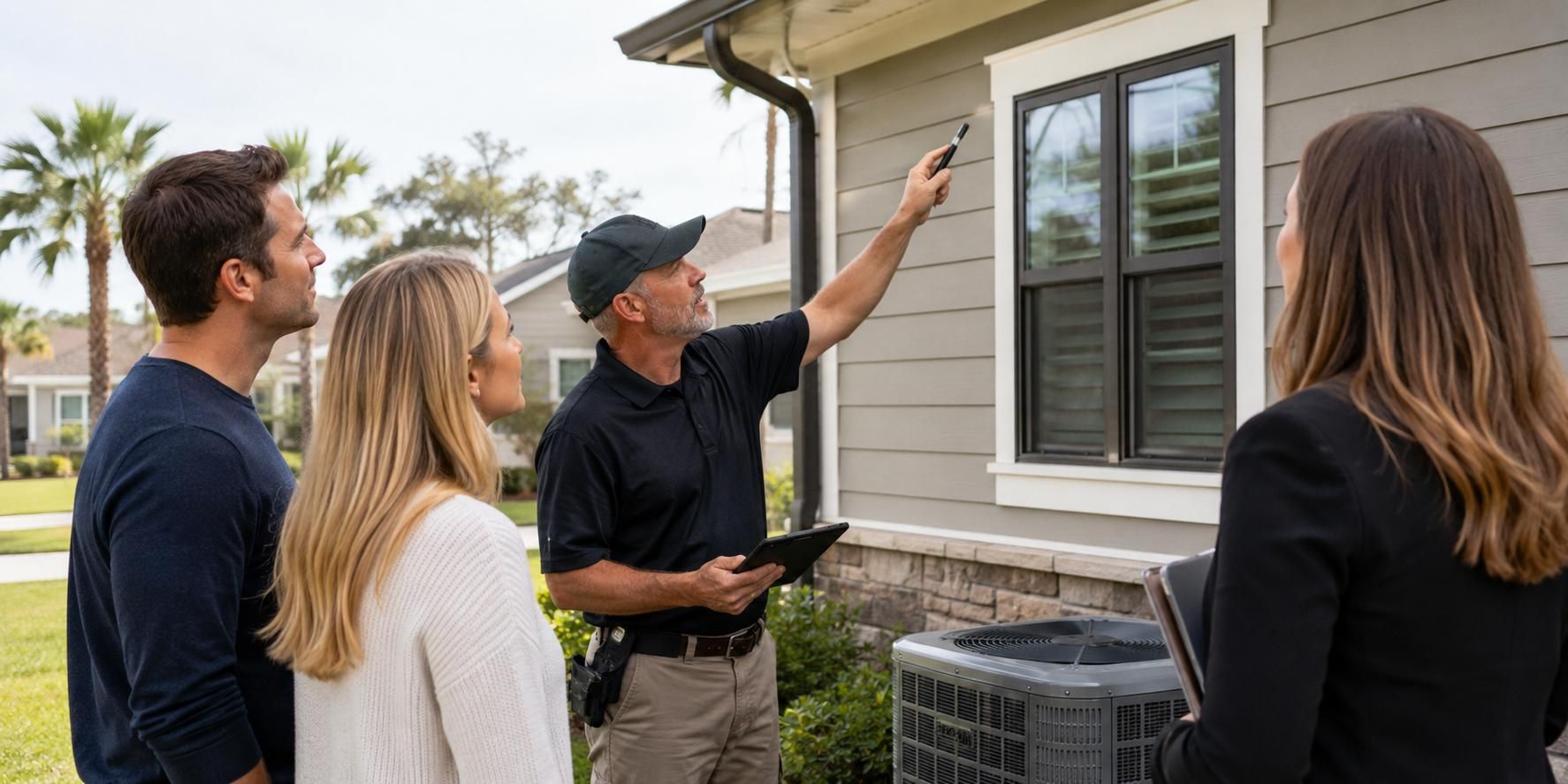
A client recently asked me a question that caught me off guard. One of his coworkers was buying a home and asked if he knew a home inspector and an appraiser . There are actually two very different questions hiding in there. First, why didn't his buyer's agent have home inspectors for him to consider? Second, buyers generally don't get to choose their appraiser at all. Let's start with the home inspection. Who Chooses the Home Inspector? The buyer does. As a real estate agent, I don't choose the inspector for my client. But I do think part of my job is making sure my buyers aren't left scrambling to Google "home inspector near me" after they are already under contract. I want my buyers to have options. Over the years, I've worked with many inspectors. That gives me the opportunity to see more than whether someone can complete an inspection. I get to see how they inspect and how they communicate their findings to the buyer. Those two things matter. Not Every Home Inspection Experience Is the Same A home inspector has an important job. Buyers need to know what they are purchasing, what may need attention and when another qualified professional should take a closer look. But how that information is presented matters too. I've seen inspectors who are excellent at explaining a concern, putting it into perspective and recommending further evaluation when something falls outside their area of expertise. I've also seen the opposite. I've seen inspectors make statements about issues outside their field of expertise. I've heard inspectors wander into legal or real estate advice that wasn't theirs to give. I've seen inspectors barely look into an attic access instead of actually inspecting the accessible attic space. And I've watched a relatively ordinary home maintenance item turn into something that sounded terrifying to a first-time buyer. That doesn't help the buyer make a better decision. I Don't Want an Inspector to Sugarcoat Anything This is important. I am not looking for inspectors who minimize problems to help keep a transaction together. Quite the opposite. If there is a major problem with the roof, electrical system, plumbing, structure or anything else they are qualified to inspect, I want my buyer to know about it. The inspector works for the buyer — not me. What I want is an inspector who can explain: Here's what I found. Here's why it matters. Here's how serious it appears to be. And here's when you should bring in a specialist for more information. There's a big difference between educating a buyer and frightening one. Why We Vet the Inspectors We Refer When we provide inspectors for a buyer to consider, we aren't simply handing them the first three names we found online. We want to know who we're sending into our client's future home. We look for inspectors who carry the appropriate licensing, bonding and insurance required for their work. Just as important, we pay attention to how thorough they are and how they communicate with clients. Do they actually inspect accessible areas? Do they stay within their scope? Do they explain concerns clearly? Do they recommend the appropriate specialist when something needs further evaluation? Do they give the buyer useful information without turning every maintenance item into a crisis? Those things matter to me because the inspection period is one of the most important parts of buying a home. The Buyer Still Gets to Choose Providing referrals doesn't mean the buyer has to use one of them. Buyers are free to research inspectors, read reviews and select someone else. My job is to make sure they have good information and good options. In fact, throughout a real estate transaction, buyers may need several different professionals depending on the property — home inspectors, roofers, HVAC companies, electricians, plumbers, pool inspectors, septic professionals and others. An experienced agent should be prepared for that. You shouldn't have to build your entire real estate team from scratch after you're already under contract. What About the Appraiser? That's where this client's question gets even more interesting. The coworker was also looking for an appraiser . That's a completely different process. If you're obtaining a mortgage, you generally don't get to call an appraiser you like and hire that person to appraise the home for your loan. There are independence rules surrounding the appraisal process, and the lender handles ordering the appraisal through its required process. And there's another question buyers frequently don't realize they should ask: When should the appraisal be ordered? In many transactions, I prefer for my buyers to get through their inspection period before spending money on the appraisal when the timing of the contract and loan allows us to do so. There's a very practical reason for that. If we discover something during inspections that causes the buyer to cancel the contract within their contractual rights, I don't want them to have already spent hundreds of dollars on an appraisal they no longer need. That's an entirely different conversation — and one worth having before you buy a home. We'll tackle that one next. FAQs Can my Realtor choose my home inspector? The buyer chooses the inspector. Your agent can provide inspectors for you to consider, but you can research and select your own as well. Why would a Realtor recommend more than one inspector? Providing several options allows the buyer to compare availability, pricing, services and reviews while still benefiting from the agent's experience working with inspectors during past transactions. Should I automatically use the cheapest home inspector? Price matters, but it shouldn't be the only consideration. You're paying someone to evaluate one of the largest purchases you'll probably ever make. Experience, thoroughness, communication and the services included in the inspection can be just as important. What if the home inspector finds something outside their expertise? Depending on the issue, the inspector may recommend further evaluation by an appropriate specialist, such as a roofer, electrician, plumber, HVAC contractor or structural professional. Do I choose the appraiser when buying a home? Generally, not when an appraisal is being completed for a mortgage. The lender orders the appraisal through a process designed to maintain appraiser independence. Is a home inspection the same thing as an appraisal? No. A home inspector evaluates the home's condition and systems. An appraiser develops an opinion of the property's value for the lender. They serve very different purposes. Rover Realty Real agents helping real people throughout Mesa, Gilbert, Queen Creek, Chandler, Apache Junction and communities across the Phoenix East Valley.

Sellers ask me this all the time: “Should I leave the refrigerator, washer and dryer? Will that make my house worth more?” Usually, the answer is no — but that doesn't mean leaving them can't help sell the house. There is a difference between something adding value to your home and something making your home more attractive to a buyer. And appliances are a great example. Which Appliances Normally Stay With the House? First, let's clear up something that causes more confusion than it should. In a typical Arizona resale transaction, certain items are already included with the home unless the contract says otherwise. The Arizona REALTORS® purchase contract specifically addresses fixtures and personal property that are included in the sale. Built-in appliances and the free-standing range/oven are among those items. So when I see someone advertising that the stove or attached microwave “conveys with the house,” I usually smile a little. Those aren't exactly bonus items. They have been addressed in our contracts for many, many moons. The refrigerator, washer and dryer are different. Those are generally treated as additional personal property. They can be included with the sale, but they don't automatically become part of the house just because they're sitting there. Arizona REALTORS® contract guidance specifically discusses the refrigerator, washer and dryer as additional personal property that can be included in the transaction. Do a Refrigerator, Washer and Dryer Add Value to My Home? Typically, not to the actual value of the real estate. You might have spent $5,000 or $8,000 on a beautiful appliance package, but that doesn't mean an appraiser is going to add $5,000 or $8,000 to the value of your house because you're leaving it behind. In fact, Arizona REALTORS® guidance explains that when additional personal property such as the refrigerator, washer and dryer is included under the purchase contract, it is transferred with no monetary value . But here's where sellers sometimes stop listening too soon. Something doesn't have to add appraised value to help us sell your home. Sometimes Appliances Are a Marketing Tool Let's say we're selling your home in an area with a lot of new construction. Now we're competing against builders offering buyers incentives that a resale seller simply can't match dollar for dollar. The builder may be advertising a lower interest rate, money toward closing costs and brand-new appliances. I've even had a buyer receive two years of HOA dues paid by a builder. Suddenly, a resale home where the buyer also needs to purchase a refrigerator, washer and dryer can feel like one more expense. If my seller already plans to replace those appliances at their next house or simply doesn't care about taking them, including them can give us another selling point. Refrigerator, washer and dryer included. Does that suddenly make a $500,000 house worth $510,000? No. Could it make our house more appealing to a buyer comparing several homes at roughly the same price? Absolutely. That's where appliances can have value without necessarily adding to the home's market valu e. Sometimes I Would Rather NOT Advertise Them This is where strategy comes into play. If a seller is willing to leave the refrigerator, washer and dryer, we don't necessarily have to advertise that from day one. Sometimes I'd rather keep those appliances in our back pocket. Maybe a buyer makes an offer and wants something the seller doesn't particularly want to give them. Instead of immediately moving on price or agreeing to another concession, we may have something else available to negotiate. Would including the refrigerator, washer and dryer help us bridge that gap? Maybe. If those appliances weren't already promised with the house, they can become another piece of the negotiation. That's why my answer isn't automatically, “Yes, leave them,” or “No, take them.” I want to know what we're competing against, what matters to the seller and where those appliances give us the most leverage. Luxury Homes Can Be Different There are also situations where taking an appliance would make very little sense. A luxury kitchen with a built-in refrigerator is an obvious example. The refrigerator may be designed into the cabinetry and feel like part of the kitchen itself. The same can be true with a stackable washer and dryer designed specifically for a laundry area inside a primary closet or another custom space. In those situations, removing the appliance could actually leave behind a space that feels unfinished or creates a problem for the next owner. That's very different from a standard freestanding refrigerator that can easily move with the seller. Don't Decide Based Only on What You Paid for Them This is probably the biggest point I want sellers to understand. What you paid for an appliance isn't necessarily what it's worth to the sale of your house. A $3,500 refrigerator doesn't automatically make your home worth $3,500 more. But if including that refrigerator makes your home more competitive with the house down the street — or with a builder offering a shiny appliance package — it may still be very useful. That's why I look at appliances as part of our marketing and negotiation strategy , not simply as a dollar-for-dollar home improvement. Before we list, we'll talk about what stays, what goes and what might be better saved as a negotiating tool. Sometimes the refrigerator is just a refrigerator. And sometimes it's one more reason for a buyer to choose your house. FAQs About Selling a Home With Appliances Does the refrigerator automatically stay when I sell my Arizona home? Not necessarily. A refrigerator is commonly handled as additional personal property in the Arizona REALTORS® purchase contract. If it is going to be included, the contract should clearly reflect that. Do the washer and dryer have to stay? No. Like the refrigerator, a washer and dryer are commonly treated as additional personal property and can be included in the transaction if agreed upon. Does the stove stay with the house? Under the Arizona REALTORS® residential resale contract, the free-standing range/oven is among the listed items included with the sale unless otherwise excluded in the contract. Built-in appliances are also included. Will leaving expensive appliances increase my appraisal? You shouldn't assume that the price you paid for the appliances will be added to your home's appraised value. Arizona REALTORS® contract guidance states that additional personal property such as an included refrigerator, washer and dryer transfers with no monetary value under the contract. Is it better to advertise that appliances are included? Sometimes. If we're competing against new construction or trying to make the home especially attractive to first-time buyers, including appliances may be a strong marketing point. In other situations, we may choose not to advertise them upfront and keep them available as part of a later negotiation. What if I want to take an appliance that would normally stay? Tell your real estate agent before the home goes on the market. Items that would otherwise be included should be clearly addressed so buyers understand what is and isn't part of the sale. Arizona REALTORS® specifically advises sellers to review the fixtures and personal-property provisions before receiving an offer and identify anything they do not intend to transfer. Selling a Home in Mesa or the East Valley? Little decisions like whether to include a refrigerator probably aren't going to determine the value of your home by themselves. But when we're competing for buyers, the little things can absolutely affect how your home is positioned. At Rover Realty, we look at the entire picture — your competition, nearby new construction, buyer incentives, pricing, presentation and the items we may be able to use during negotiations. The goal isn't to give everything away. It's to figure out what actually helps us get your home sold while protecting the things that matter most to you.

If you live near new construction, you may have noticed something that seems strange. A resale home in your neighborhood has been sitting on the market for weeks — maybe months — while the builder down the street keeps selling homes. You might look at that house and think: What's wrong with it? Sometimes, absolutely nothing. The problem may be that the seller isn't just competing with the other resale homes in the neighborhood. They're competing with the builder. And that changes everything. The Builder May Be the Biggest Competition This is something many homeowners don't realize until they're ready to sell. Builders may be offering buyers incentives such as: Below-market interest rates Closing cost assistance Appliances Design or upgrade incentives HOA incentives Other financing or move-in specials We even had a client purchase a new construction home where the builder paid two years of HOA dues upfront. These offers change frequently and vary by builder, community, home and financing program. But if I'm helping someone sell near active new construction, I want to know what those builders are offering. Because buyers know. And they're comparing those offers to the resale home. Buyers Aren't Always Shopping by Price This is probably the biggest thing I wish more resale homeowners understood. Many buyers aren't shopping based only on the price of the house. They're shopping based on the monthly payment. Here's an example of just how much a builder's lower interest rate can change the comparison. Let's say a buyer is considering a $475,000 resale home at a 7% interest rate. Down the street, a builder has a $550,000 new home and is offering qualified buyers a 4.25% rate. Assuming a 30-year fixed mortgage and 5% down, here's what the principal-and-interest portion of those payments would look like: $475,000 Resale $550,000 New Build Purchase Price $475,000 $550,000 Down Payment (5%) $23,750 $27,500 Loan Amount $451,250 $522,500 Interest Rate 7.00% 4.25% Principal & Interest About $3,002/mo. About $2,570/mo. The new home costs $75,000 MORE, yet its principal-and-interest payment is approximately $432 LESS per month. That's a big deal. A homeowner with a $475,000 resale may look at that $550,000 new build and think: "That's not my competition. Their house costs $75,000 more than mine." But the buyer may be thinking: "I can buy the brand-new house and have a lower monthly principal-and-interest payment." Now we have a completely different sales challenge. These numbers are for illustration and compare principal and interest only. They don't include property taxes, homeowners insurance, mortgage insurance, HOA fees or other costs that affect the total monthly payment. Builder financing incentives also have specific qualifications and can change. Buyers should always get actual payment information from their lender. And Then the Buyer Walks Into the Model Home Now add another layer. Model homes are designed to sell houses. The furniture is beautiful. The finishes are current. The lighting is right. The rooms are staged. Everything is designed to help buyers picture themselves living there. Then that buyer walks into a resale home. If it's cluttered, dark, dated or has obvious deferred maintenance, the difference can feel much larger than it really is. That's why presentation matters even more when we're competing against builders. We aren't trying to make a resale home look brand new. We're trying to make sure it looks like a strong alternative to brand new. But Resale Homes Have Advantages Too New isn't automatically better. A resale home may already have a finished backyard, mature landscaping, window coverings, ceiling fans, appliances, upgraded lighting, storage, a pool or thousands of dollars in improvements that aren't necessarily included in the builder's advertised price. It may have a larger lot. It may be in a finished section of the neighborhood without years of construction around it. It may have a location or homesite the builder can no longer offer. Those things have value. But buyers need to see and understand that value. That's where marketing becomes incredibly important. So Why Is That Resale Home Still Sitting? It isn't always because the price is too high. Sometimes the home wasn't prepared well enough. Sometimes the photos don't compete with what buyers are seeing online from the builder. Sometimes there isn't enough marketing beyond putting the property in the MLS. Sometimes nobody has clearly shown buyers what is already included in the resale home. And sometimes the pricing strategy was based almost entirely on other resale sales without paying enough attention to what a buyer can purchase brand new nearby. Usually, it's not one single thing. It's the entire package. Resale Sellers May Have More Options Than Buyers Realize Builders are very good at advertising their incentives. Resale sellers don't have a giant sign at the entrance to the neighborhood advertising theirs. Depending on the financing and terms negotiated in the transaction, a resale seller may be willing to provide concessions that a buyer could potentially use toward allowable closing costs or an interest-rate buy-down. But many buyers don't even know that may be an option. That's another reason positioning and marketing matter. We can't assume buyers will figure out every advantage of the resale home on their own. I Often Help Sellers When the First Try Didn't Work I regularly talk with homeowners whose first attempt at selling didn't produce the result they expected. Sometimes the listing expired. Sometimes the seller canceled it. Sometimes they're simply trying to figure out what they should do differently before trying again. My first question isn't: "How much should we reduce the price?" It's: "Why didn't the home sell?" Those are two very different conversations. If the home is competing with new construction, I want to understand what buyers were comparing it against. What were nearby builders offering? How did the home present online? Was it clean and ready for buyers? Did the photography help it compete? Was minor staging needed? Did buyers understand the value of the improvements already included with the home? Was there enough online exposure? Did the pricing make sense once builder incentives were taken into consideration? Only then can we build a strategy for bringing the home back to market. Selling Near Builders Means We Can't Cut Corners We are getting resale homes sold in areas with heavy new construction. But these are not the listings where I want to stick a sign in the yard, take a few photos and hope someone eventually comes along. The home needs to look as clean and turnkey as reasonably possible. We use minor staging when it helps. We use professional photography, floor plans and video to help buyers understand the property before they ever get in the car. We pay attention to online placement and how the home's advantages are presented. Because your first showing isn't necessarily happening inside your house anymore. It's happening on someone's couch. That buyer may have your home open in one browser tab and the builder's website open in another. Our marketing needs to give them a reason to click on yours. Before You List — Or Before You List Again If you're thinking about selling a home near new construction, don't just look at what the house next door sold for six months ago. We need to look at what your buyer can purchase today. And if your home was already on the market and didn't sell, don't automatically assume the only solution is a major price reduction. First, let's figure out what happened. I look at the resale competition, nearby builders, current incentives, condition, presentation, pricing and marketing to determine where the property may have lost buyers — and what we can do differently the next time around. Sometimes the home doesn't need a dramatically lower price. It needs a different strategy. Frequently Asked Questions Why are resale homes taking longer to sell near new construction? Builders may be competing for the same buyers with below-market financing, closing cost assistance, warranties, appliances and other incentives. That can make new construction attractive even when its purchase price is higher. Can a more expensive new home actually have a lower monthly payment? Yes. Interest rates can make a significant difference. In our example, a $475,000 resale at 7% had an estimated principal-and-interest payment of about $3,002 per month. A $550,000 new home at 4.25% was approximately $2,570 per month using the same 5% down payment. That's roughly $432 less per month even though the new home costs $75,000 more. Taxes, insurance, mortgage insurance, HOA fees and other costs still need to be considered. Does a resale seller have to lower the price to compete with a builder? Not necessarily. Price is important, but so are condition, presentation, included improvements, lot, location and marketing. I want to understand the entire competitive picture before recommending a pricing strategy. My home was listed before and didn't sell. Does that mean it was overpriced? Not automatically. Pricing could have been a factor, but I also want to look at presentation, photography, marketing, buyer feedback, showing activity and competition from both resale homes and builders. Should nearby builder incentives be considered when pricing my resale home? Absolutely. Buyers are comparing those options whether the resale seller realizes it or not. Knowing what the builders are offering helps us understand the competition we're actually facing. Can Rover Realty help if my home was previously listed with another agent? Yes. I often work with sellers who are preparing to try again. I start by looking at what happened during the previous listing and what has changed in the market. From there, we can build a new strategy around the home's current competition rather than simply repeating the same approach. Rover Realty | Real agents helping real people.

If you plan to rent out your Arizona home, do you really need a property manager? Not every rental owner makes the same choice. Some people manage their own homes. Others hire a company to handle the daily work. As a real estate investor with several rental properties, I firmly believe in hiring a professional property manager. I am licensed to handle property management myself. I still pay someone else to manage my rentals. Here is why. A Property Manager Creates a Boundary A rental property is an investment, but landlord and tenant issues can become personal very quickly. What happens when the tenant is late with rent? What if a repair is requested at an inconvenient time? What if the tenant asks for an exception to the lease? What if the owner disagrees with how the tenant is caring for the home? A property manager creates a boundary between the owner and the tenant. Instead of calling the owner about every question, the tenant works with the management company. The manager can explain the lease, collect payments, coordinate repairs and handle difficult conversations. That separation helps keep the relationship professional. For me, that boundary alone is worth paying for. What Does a Property Manager Do? Services vary by company, but property management may include: Advertising the home for rent Showing the property Screening applicants Preparing or managing the lease Collecting rent Responding to maintenance requests Coordinating repairs Completing scheduled property checks Handling lease violations Communicating with the tenant Preparing the home for the next renter Providing reports to the owner Before hiring a company, ask exactly which services are included. You should also ask which services cost extra. Can I Manage My Rental Myself? Some owners manage their own rental homes successfully. Before deciding to do that, ask yourself: Do I understand the lease? Do I know how to screen applicants fairly and consistently? Am I prepared to document every payment and repair? Can I respond when something breaks? Am I comfortable enforcing the lease? Can I separate my emotions from business decisions? Do I know when to contact an attorney? Do I have time to keep up with changing rules and requirements? What will happen when I am traveling or unavailable? Managing one rental may sound simple when the home is occupied and the rent arrives on time. The real test comes when something goes wrong. A water heater can fail. An air conditioner can stop working in July. A tenant may miss a payment. A disagreement may come up over damage, maintenance or the security deposit. Those problems do not always happen during business hours. Why I Believe Property Management Should Be a Specialty Property management and residential sales are both parts of real estate, but they are not the same job. A property manager must focus on tenants, leases, rent, inspections, repairs and landlord-tenant issues. A residential sales agent must focus on pricing, preparation, marketing, showings, contracts, negotiations and closing deadlines. Each job requires different systems, skills and demands on a person’s time. Many property managers already oversee a large number of homes. Residential sales can also require attention at all hours. I do not believe it is in our clients’ best interest for Rover Realty to divide its focus between both jobs. Our clients hire us to help them buy and sell homes. We owe it to them to stay in that lane. That is why Rover Realty does not provide property management, tenant placement, rent collection or lease administration. We also do not handle commercial real estate transactions. We refer those needs to professionals who focus on those parts of the industry. How We Chose Our Property Management Referral Partner Our trust in our property management referral partner was built long before we began sending clients to him. Many years ago, our family owned a landscaping company. We operated that business for about 10 years and completed work for several property management companies. We often visited rentals while one tenant was moving out and the home was being prepared for the next renter. Some properties were in terrible shape. At times, it looked as if the inside of the house had been emptied onto the front porch. We saw damage and signs that smaller problems had been allowed to grow. One property manager’s homes stood out for a different reason. They seemed to have fewer problems during tenant turnover. I wanted to know why. As I learned more about his business, I found that he took screening seriously, completed regular property checks and maintained clear communication with both owners and tenants. His systems appeared to catch problems sooner and set clearer expectations from the beginning. Based on what we saw in the field, we decided to hire him for our own rental properties. We have now used his services for more than 15 years. We have also referred many other homeowners to his company. That referral was not based on an advertisement. It was based on years of watching how he cared for the homes he managed. Questions to Ask Before Hiring a Property Manager Not every management company operates the same way. Before signing an agreement, consider asking: How many homes does each manager oversee? How are rental applicants screened? How often are property checks completed? How are maintenance requests handled? Who approves repairs? Is there a spending limit for repairs? Who answers emergency calls? How will I receive updates? What reports will I receive? How are late payments handled? What are the management fees? Is tenant placement a separate charge? What happens if I decide to sell the home? How can either party end the management agreement? Communication matters. A low management fee may not be a bargain if calls go unanswered or property concerns are missed. Should I Rent Out My Home or Sell It? Sometimes the bigger question is not whether to hire a property manager. It is whether keeping the home as a rental makes sense at all. Before deciding, consider: The possible monthly rent Your mortgage payment Property taxes and insurance Management fees Expected maintenance The age of the roof and major systems Possible vacancy between tenants Your long-term plans The home’s current market value How much money you may receive from a sale Owning a rental can help build long-term wealth, but it is not passive income every month. Homes need repairs. Tenants move. Expenses come up. The decision should be based on real numbers, not only on what the monthly rent might be. A property manager can help you understand the rental side. A real estate agent can help you understand the current sales market. What Can Rover Realty Help With? Rover Realty does not manage rental properties. We can help if you want to: Sell your current rental Buy a residential investment property Sell after a tenant moves out Prepare a former rental for the market Review the likely sale price of your home Compare selling with keeping the property Sell an inherited home that has a tenant Understand how the home’s condition may affect a sale If you decide to keep the home as a rental, we can introduce you to the property management company we have personally used for more than 15 years. You should still interview the company, review its services and decide whether it is the right fit for you. Frequently Asked Questions Do I have to hire a property manager to rent out my home? Not every owner chooses to hire a manager. However, you will still need to handle tenant screening, the lease, rent collection, repairs, documentation and other landlord duties. Speak with a qualified Arizona professional about any rules that apply to your situation. Is hiring a property manager worth the cost? For many owners, it is. A manager can save time, create a boundary with the tenant and handle problems when they arise. The value will depend on the company’s service, communication and fees. How much does property management cost in Arizona? Fees vary by company and service. Some companies charge separate fees for tenant placement, lease renewals, inspections or maintenance coordination. Ask for a complete written list before signing an agreement. Can a property manager find a tenant for me? Many property management companies offer tenant placement and screening. Some will place the tenant without providing ongoing management. Ask what options are available. Why does Angela use a property manager for her own rentals? I value the boundary between owner and tenant. I also want someone who focuses on property management every day. Even though I am licensed to handle it myself, I believe my rentals are better served by a specialist. Does Rover Realty manage rental homes? No. Rover Realty does not provide property management, tenant placement, rent collection or lease administration. We specialize in residential real estate sales. Can Rover Realty help me sell a rental property? Yes. We can help you prepare, market and sell a residential rental property. The plan will depend on whether the home is vacant, occupied or in need of work. Can Rover Realty help me decide whether to rent or sell? We can help you understand the estimated sales value and what may be involved in preparing the property for the market. A property manager can provide information about expected rent and management costs. Looking at both sides can help you make a more informed choice. Can Rover Realty refer me to a property manager? Yes. We can introduce you to the company we have trusted with our own rental properties for more than 15 years. Are You Deciding What to Do With Your Arizona Home? If you plan to rent out your home, we recommend speaking with a property management company that specializes in tenant placement and ongoing management. If you are deciding whether to rent or sell, Rover Realty can help you understand the current residential sales market and what your property may be worth. We do not provide property management. We help people buy and sell residential homes throughout Mesa, Apache Junction and the East Valley—and we refer the rest to trusted specialists.

he short answer is no. Rover Realty does not provide property management, tenant placement, rent collection or lease administration in Apache Junction or elsewhere in the Phoenix area. We also do not handle commercial real estate transactions. We help people buy and sell residential real estate. That includes primary homes, inherited properties, manufactured homes, acreage and residential investment properties. Property management and residential sales both fall under the larger real estate umbrella, but they are very different jobs. Each one requires its own time, skills, systems and area of expertise. I believe our clients are better served when each professional sticks to what they do best. Why Don’t We Manage Rental Properties? As a licensed real estate broker, I am qualified to handle property management. I am also a real estate investor who owns several rental properties. Even so, I pay a professional property manager to manage my own rentals. That may sound odd at first. Why would I pay someone else to do something I could legally do myself? Because being able to do something does not always mean you should. A property manager needs to screen tenants, collect rent, oversee repairs, conduct inspections, handle lease issues and stay current on landlord-tenant laws. A sales agent needs to study the housing market, prepare homes for sale, create strong marketing, negotiate contracts and guide transactions through closing. Both jobs take time and focus. Many property managers oversee a large number of homes. Residential sales can also demand attention at all hours. I do not believe it is wise to split our attention between two very different types of work. Our clients hire us to market and sell their homes. I owe it to them to stay focused on that job. A Property Manager Helps Create a Healthy Boundary I firmly believe a professional property manager can create an important boundary between a landlord and a tenant. Rental property is an investment, but it can become personal very quickly. Owners may struggle when tenants are late with rent, ask for repeated exceptions or disagree about repairs. Tenants may also feel uncomfortable contacting an owner directly about every problem. A property manager serves as the middle person. The manager can explain the lease, collect payments, coordinate maintenance and handle difficult conversations. That space can help protect the business relationship between the owner and tenant. This is one of the main reasons I use a property manager for my own rental homes. I want an experienced professional handling the day-to-day relationship while I focus on my work and family. How We Chose Our Property Management Referral Partner Our relationship with our property management referral partner goes back many years. Before Rover Realty, our family owned a landscaping company for about 10 years. We completed work for several property management companies, especially when tenants moved out and homes were being prepared for the next renter. Some of those properties were in rough shape. At times, it looked as if the inside of the home had been emptied onto the front porch. We saw damage, poor upkeep and signs that problems had gone unnoticed for far too long. One property manager stood out. The homes he managed seemed to have fewer problems during tenant turnover. That caught my attention, so I got to know him and learned more about how he worked. He took tenant screening seriously, completed regular property walk-throughs and kept clear communication with both owners and renters. His approach appeared to prevent many problems from getting out of hand. Based on what we saw in the field, we decided he was someone we could trust with our own properties. We have now used his services for more than 15 years. We have also referred many other rental owners to him during that time. That relationship was not built from an online advertisement. It was built by watching how he cared for properties when he did not know anyone was evaluating his work. What Rover Realty Can Do for Rental Property Owners Although we do not manage rentals, we can help owners with the purchase or sale of a residential investment property. For example, we can help if you: Want to buy a residential rental property Need to sell a vacant rental Plan to sell after a tenant moves out Are deciding whether to repair or sell the property as-is Inherited a home that is currently occupied by a tenant Need help preparing a former rental for the market Want to understand what buyers may expect when purchasing an investment property Selling a rental can involve different questions than selling an owner-occupied home. The condition, lease status, timing, access and likely buyer pool can all affect the marketing plan. That is where our experience belongs. What We Refer to Other Specialists We refer property management and commercial real estate needs to professionals who focus on those parts of the industry. This includes: Ongoing property management Tenant screening and placement Rent collection Lease administration Rental inspections Tenant-related maintenance Commercial sales and leasing Commercial property management We follow the same philosophy when referring other work. The person should have the experience, systems and time needed to handle that specific service. Real estate is too broad for one person to be the best choice for every job. Frequently Asked Questions Does Rover Realty offer property management in Apache Junction? No. Rover Realty does not provide property management in Apache Junction or any other city. We specialize in helping clients buy and sell residential real estate. Can Angela legally manage rental properties? Yes. As a licensed real estate broker, I am qualified to handle property management. However, I choose to use and refer dedicated property managers because property management is their daily focus. Why does Angela use a property manager for her own rentals? A property manager creates a boundary between the owner and tenant. The manager also handles the daily details, such as rent collection, repair requests, lease questions and property walk-throughs. I believe hiring a specialist helps protect my time and my investment. Can Rover Realty help me sell my Apache Junction rental property? Yes. We can help you prepare, market and sell a residential rental property in Apache Junction. The right plan will depend on whether the home is vacant, occupied by a tenant or needs repairs before it is listed. Can Rover Realty help me buy an investment property? Yes. We can help clients purchase residential investment properties. We do not manage the home after the purchase, but we can refer the owner to a property management company. Does Rover Realty place tenants or prepare leases? No. We refer tenant placement, lease preparation, rent collection and ongoing rental oversight to property management specialists. Does Rover Realty handle commercial real estate? No. We focus on residential real estate. Commercial purchases, sales, leasing and management are referred to commercial real estate professionals. Can Rover Realty recommend a property manager? Yes. We have a long-standing referral relationship with a property manager we have personally used for more than 15 years. We are happy to make an introduction so you can ask questions and decide whether the company is the right fit for your property. Do You Need to Buy or Sell a Residential Property? If you need ongoing rental management, we will gladly point you toward a professional who specializes in that work. If you are thinking about buying or selling a residential property in Apache Junction, Mesa or another Phoenix-area community, that is where Rover Realty can help. We believe clients receive better service when every professional sticks to their area of expertise. Property managers manage. Commercial agents handle commercial real estate. Rover Realty helps people buy and sell homes. That is our lane—and we take it seriously.

One of the most common questions we get from Arizona home sellers is: “Do I really need to disclose that? We already fixed it.” In most cases, the answer is yes . A repair doesn't erase the history of what happened. Maybe the roof leaked five years ago and was repaired. Maybe there was a plumbing leak behind a wall. Perhaps termites were treated years ago, an electrical issue was corrected, or an air conditioner needed a major repair. Sellers sometimes think that because the problem has been fixed, there is nothing left to disclose. That's not a safe assumption. “When in Doubt – Disclose!” The Arizona REALTORS® Seller's Property Disclosure Statement, commonly called the SPDS, begins with a Residential Seller Disclosure Advisory that prominently tells sellers: WHEN IN DOUBT – DISCLOSE! There's a reason that warning gets so much attention. The SPDS is designed to help Arizona sellers provide information about the property and its history. Arizona sellers also have disclosure obligations that go beyond simply telling a buyer what is broken today. A previous problem can still be important information even when the repair was successful. A Repaired Roof Leak Is Still Part of the Home's History Let's say your roof leaked four years ago during a monsoon. You hired a roofer, the problem was repaired, and you haven't experienced another leak since. That's great. But the fact that the repair was successful doesn't mean the previous leak should simply disappear from the property's history. As a real estate broker, I'm not supposed to tell a seller what to write on their disclosure statement. These are the seller's disclosures , not mine. What I can do is ask questions. If a seller checks a box indicating a past roof problem, for example, I may ask them to expand on their answer. What happened? When did it happen? Was it repaired? Do you have an invoice or warranty? The seller can then decide how to accurately explain what they know. That additional context can be extremely helpful to a buyer. There's a big difference between an inspector finding unexplained evidence of a previous roof leak and a buyer already knowing that something occurred, that the seller addressed it, and that additional information or documentation is available. Disclosure doesn't automatically make a house look bad. Good disclosure can answer questions before the buyer even has to ask them. I Encourage Sellers to Include Repairs and Improvements Too My advice to Rover Realty sellers generally goes beyond only thinking about past problems. I encourage sellers to think about repairs, replacements and improvements they have made to the home as they're completing their disclosures. The SPDS includes categories covering things like roofing, electrical systems, plumbing, heating and cooling, pools and other components. But not everything fits perfectly into a particular category. Maybe you replaced flooring. Maybe you remodeled the kitchen, replaced windows, added insulation, updated irrigation, replaced pool equipment or remodeled a bathroom. There is an additional-information area on the SPDS where sellers can provide further explanation. If a seller has more information than will comfortably fit, additional information can also be attached as appropriate. Again, I'm not filling out the disclosure for the seller or telling them what words to use. My role is to encourage sellers to slow down, think through the property's history and provide complete answers based on what they actually know. Disclosure Isn't Limited to Things You Can Touch This is another area sellers sometimes miss. Property concerns aren't always a broken pipe, roof leak or electrical problem. Think about things you've experienced while living at the property. Noise can matter. Odors can matter. Pests can matter. And yes, in Arizona, that includes scorpions . The Arizona SPDS specifically asks sellers whether they are aware of or have observed certain pests, including scorpions. This is where sellers can get themselves into trouble by deciding that something doesn't matter simply because they don't personally consider it a big deal. The “Scorpion House” Problem Imagine a seller has regularly dealt with scorpions but decides not to mention them. The buyer closes. They're unloading the moving truck on day one when the neighbor walks over and says: “Oh good! Someone finally bought the scorpion house!” We've got a problem. Now the buyer may start asking questions. Did the seller know about them? Was the house being treated? Is there a pest-control company with service records? Did neighbors know? Were there conversations about it in the neighborhood Facebook group? Information isn't particularly difficult to uncover anymore. Something that could have been openly discussed before closing can become a much bigger issue afterward if a buyer believes the seller intentionally withheld information. More Information Can Actually Make a Disclosure Less Scary I had a seller once who checked the box indicating that he had seen a scorpion at the property. When I reviewed the disclosure, I simply asked him to tell me more. His answer completely changed the context. He had purchased the house about 16 years earlier and, shortly after buying it, had seen one scorpion on the back wall of the yard. That's a very different situation from a buyer seeing a checked scorpion box with no explanation and imagining they're about to purchase the East Valley headquarters for the Scorpion Appreciation Society. This is exactly why I ask sellers to expand on certain answers. I'm not telling them what to write. I'm asking them to tell the buyer the story only they know. A checked box may leave a buyer with ten questions. A seller's own explanation may answer nine of them. Don't Guess and Don't Exaggerate Disclosure works both ways. Being transparent doesn't mean speculating. If you don't know something, don't turn a guess into a fact. Maybe you purchased the house five years ago and were told that the previous owner replaced the roof before you bought it. That's different from personally knowing who replaced it, exactly when the work occurred or precisely what was done. The same principle applies throughout the disclosure process. If you have invoices, warranties, receipts or other records, those may help provide additional information. Stick with what you actually know. Facts are your friend. What If I Don't Remember Every Repair? Nobody expects most homeowners to remember every toilet flapper, sprinkler head or light switch they've replaced over 20 years of homeownership. The goal is to complete the disclosure truthfully and thoroughly based on the seller's actual knowledge. That's one reason I like sellers to start working on their disclosures early. Don't rush through the SPDS five minutes before dinner. Take some time. Think about the history of the home. Look through your records. Check old invoices and warranties. Think about insurance claims, service calls, repairs and major improvements. You may remember quite a bit once you start looking. What If the Problem Was Completely Fixed? That's useful information too. The fact that something happened and the fact that it was repaired aren't competing pieces of information. They're both part of the property's history. If I see that a seller has disclosed a previous problem without much additional information, I may ask them questions about it. Was it repaired? Approximately when? Who performed the work, if they know? Is there paperwork? Have there been any additional issues? The answers belong to the seller. My job is to help make sure they understand that a simple checked box may not tell the complete story. Transparency Can Protect the Seller Sellers sometimes worry that disclosing too much will scare buyers away. I'm usually much more concerned about the opposite scenario. I'd rather have a buyer understand something before closing than discover it afterward and believe information was intentionally withheld. That's especially true when the information could easily surface later through an inspection, contractor, service company, neighbor or even an old neighborhood social-media post. That's why the phrase at the top of the Arizona disclosure paperwork is so important: When in Doubt, Disclose. Don't assume a previous problem disappeared simply because it was repaired. Don't decide for the buyer that something isn't important. And don't assume that checking a box is always enough to help someone understand what actually happened. Tell your own story. Provide context when appropriate. Include documentation when you have it. A well-informed buyer is far better than a surprised buyer after closing. Frequently Asked Questions Do I have to disclose an old problem if it was completely repaired? In most cases, sellers should not assume that a successful repair means the previous condition no longer needs to be disclosed. Arizona sellers have disclosure obligations concerning known material facts, and the SPDS asks numerous questions about both present and past conditions. When in doubt about a specific situation, sellers should seek appropriate real estate or legal guidance. Should I disclose an old roof leak if it hasn't leaked since? Don't assume that the previous leak is irrelevant simply because it was repaired. A seller should answer the applicable SPDS questions truthfully based on their knowledge. As a real estate broker, I may ask a seller to expand on an answer, but I don't tell the seller what to write. Do I have to disclose scorpions in Arizona? The Arizona REALTORS® SPDS specifically asks whether the seller is aware of or has observed listed pests, including scorpions. Providing additional context can help a buyer understand what a checked box actually represents. Should I disclose improvements that weren't repairs? I encourage sellers to think about significant improvements and updates while completing their disclosures. Information about flooring, windows, remodeling, pool equipment and other improvements can give buyers a better understanding of the property's history. What if there isn't a specific SPDS category for an improvement or repair? The SPDS includes space for additional information, and additional information or documentation can be attached when appropriate. Sellers should complete their own disclosures based on their knowledge and seek guidance if they're unsure how a particular issue should be handled. What if I don't know exactly when something happened? Don't guess. Sellers should answer based on what they actually know. If you have supporting invoices, warranties or other records, those can sometimes provide helpful additional information. What if something happens after I've already completed my SPDS? Tell your REALTOR® promptly. New information or a change in the property during the transaction may create additional disclosure obligations. Can I sell my Arizona home “as is” and avoid disclosures? Selling a home “as is” does not automatically eliminate a seller's disclosure obligations. The condition in which a buyer agrees to purchase a property and a seller's obligation to disclose known material information are separate issues. Selling a Home in Mesa or the East Valley? Preparing a home for the market isn't only about staging, professional photos, video and pricing. It's also about helping sellers get through the transaction with fewer surprises. At Rover Realty, we review the disclosure process with our sellers and ask questions when an answer may need additional context. But the information comes from the seller. It's their property history. It's their disclosure. And it's their story to tell. Sometimes one checked box looks scary. A little more context can tell a completely different story. Important: This article provides general real estate information and is not legal advice. Disclosure obligations depend on the specific facts and circumstances. Contract terms can also vary or be negotiated. Sellers should rely on their signed agreements and consult their REALTOR® and a qualified Arizona real estate attorney when they have questions about their specific disclosure obligations.
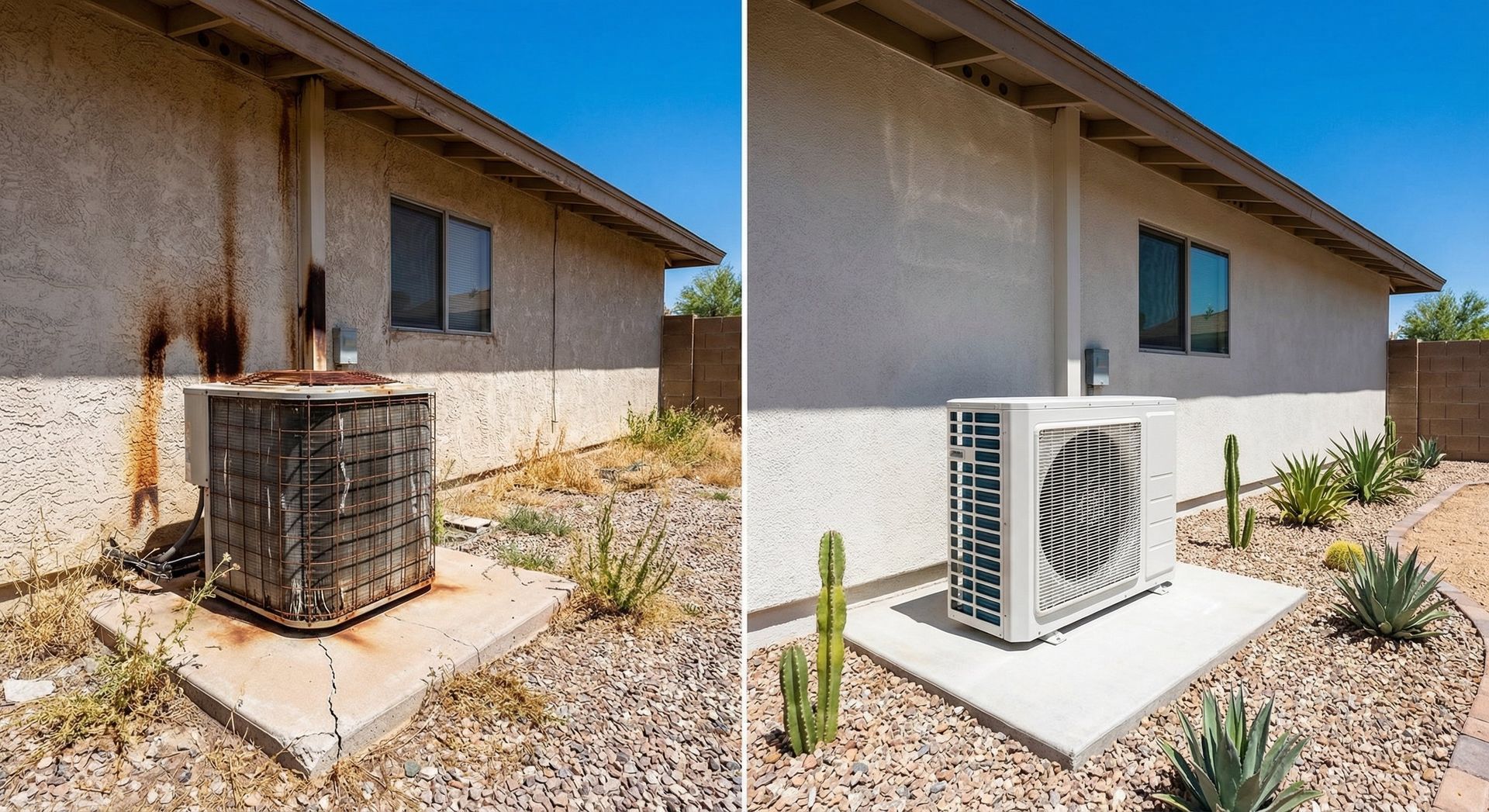
If your air conditioner is 10, 15 or even 20 years old, you may be wondering if you should replace it before putting your Arizona home on the market. We get this question from sellers all the time. Many homeowners have also been told by an HVAC technician that an air conditioner is only expected to last about 10 years. That can make a seller nervous about putting a home on the market with an older unit. But here's what we see in real estate: An older AC does not automatically need to be replaced before you sell your home. In fact, we regularly sell East Valley homes with air conditioners that are 15 or even 20 years old and still working. Age Isn't the Same Thing as Condition There is no magic birthday when an AC unit suddenly becomes bad. The U.S. Department of Energy uses an average residential central air conditioner life of about 18 years in its energy-cost calculations, and DOE consumer information gives central AC systems a general lifespan of 15–20 years. Some systems won't make it that long. Others will keep cooling well beyond it. That is why we don't recommend replacing an AC simply because it has reached a certain age. What matters more is what is happening with your system. Is it cooling the house properly? Has it been maintained? Is it making unusual noises? Does it have known problems? Is it constantly requiring repairs? Those questions tell us much more than simply looking at the year on the unit. When Would We Recommend Replacing the AC Before Selling? There are certainly situations where replacement makes sense. If the system isn't working and the cost to repair it is high enough that you're approaching the cost of replacement, then replacing it may be the better financial decision. We may also have a different conversation if the system has serious known problems or cannot adequately cool the home. But if the AC has been serviced, is operating properly and is cooling the house? Our typical advice is don't automatically replace it just because it's old. Why Spend Thousands Before You Know It's a Problem? This is the part sellers sometimes overlook. We don't know what your eventual buyer will think about the AC. One buyer may be concerned that the unit is 18 years old. Another may decide that the home's location, floor plan, backyard or price is much more important and simply budget for replacing the AC sometime in the future. Maybe the buyer works in the HVAC industry and isn't concerned about it at all. Maybe they know that particular brand has a reputation for longevity. Another buyer may be perfectly comfortable purchasing the home with the existing system if they receive a home warranty. And another might prefer a credit toward a future replacement rather than having the seller choose a new system for them. Every buyer is different. Replacing an operating AC before listing assumes we already know what the future buyer is going to want. We don't. Let the Buyer Inspect the AC In most situations, we prefer to let the buyer perform their inspections. A home inspector will typically operate the HVAC system when conditions allow and note visible concerns. A buyer may also choose to have the system evaluated by an HVAC professional. Then we have actual information to work with. If the buyer has concerns about the system, they can address those concerns as allowed under the purchase contract. At that point, the seller can evaluate the buyer's request and the entire transaction rather than spending thousands of dollars before the home ever reaches the market. What If the Buyer Asks for a New AC? A buyer asking for something does not necessarily mean the seller has to agree to it. Depending on the contract and circumstances, there may be several possible outcomes. The parties might agree to a repair. They could negotiate a credit or other concession. A home warranty might help address the buyer's concern. The seller could agree to replacement. Or the parties may decide to leave the system exactly as it is. The right decision depends on the offer, the inspection findings, the home's price, market conditions and the seller's goals. That's why we would rather deal with an actual buyer's concern than spend money trying to predict one. Should I Have My AC Serviced Before Listing My Arizona Home? This can be a different question. If your system hasn't been serviced recently, having routine maintenance performed before listing may make sense, especially if you have concerns about how it is operating. Keep the invoice and any service records you have. But be careful about confusing routine maintenance with replacing a working system solely because of its age. Those are two very different decisions. What About Arizona's Summer Heat? Obviously, air conditioning matters to Arizona buyers. If someone walks into a house in July and it's 86 degrees inside because the AC isn't cooling properly, we have a problem. But an older unit keeping the home comfortable is a different situation. Our job when preparing a home for sale is to identify where spending money is likely to help the seller and where we may simply be spending money unnecessarily. A functioning older AC often falls into that second category. Don't Replace Something Just Because It's Old One of the biggest mistakes sellers can make before listing is trying to eliminate every possible objection a buyer might have. That can get expensive very quickly. A 20-year-old AC may concern one buyer and barely register with another. So our general philosophy is simple: If the AC is working properly, don't automatically replace it because of its age. Let buyers see the home. Let them conduct their inspections. If the HVAC system becomes an issue, we can deal with the actual concern and determine the best solution at that time. That approach can potentially save a seller thousands of dollars they never needed to spend. Frequently Asked Questions Is a 20-year-old AC too old to sell a house in Arizona? No. We regularly see Arizona homes sell with AC systems approaching or exceeding 20 years old. Age is something a buyer may consider, but an older functioning system does not automatically prevent a home from selling. How long does an air conditioner last in Arizona? There isn't one guaranteed lifespan. Maintenance, installation, usage, equipment quality and other factors all affect longevity. The U.S. Department of Energy uses an 18-year average life for residential central AC in some of its calculations and provides a general 15–20 year lifespan for central AC systems. Will a buyer ask me to replace an old AC? They might, but don't assume they will. Buyers have different priorities and risk tolerances. We prefer to see what the buyer's inspection reveals and whether the buyer actually raises a concern before deciding how a seller should respond. Should I offer the buyer an AC credit upfront? Usually, we would not automatically offer money for a problem the buyer hasn't raised. If the system is functioning, we can market the home accordingly and evaluate any request if one is made. Should I buy a home warranty because my AC is old? A home warranty can sometimes be useful in a transaction, but coverage, exclusions, limits and eligibility vary considerably. It should not be presented as a guarantee that an older AC will simply be replaced if it fails. Do I have to disclose problems I've had with my AC? Arizona sellers have disclosure obligations regarding known material facts, and the Arizona REALTORS® Seller's Property Disclosure Statement specifically asks about heating and cooling systems and known past or present problems. Sellers should answer disclosure questions accurately and provide explanations where appropriate. What if my AC stops working while my home is under contract? That is different from simply having an older system. What happens next will depend on your purchase contract, the timing and the circumstances. Contact your real estate agent promptly before authorizing major work or making assumptions about who is responsible. Thinking About Selling an East Valley Home With an Older AC? Don't assume you need to spend thousands of dollars replacing major components before you put your home on the market. At Rover Realty, we look at the entire property, the condition of the system, competing homes and your likely buyer before recommending where it makes sense to spend money. Sometimes an improvement is worth doing. Sometimes the smartest recommendation we can give a seller is don't spend the money yet. Important: This article provides general real estate information and is not legal, HVAC or contractual advice. Every property and transaction is different. Contract terms may vary or be negotiated by the parties. Sellers should rely on their signed agreement and consult their REALTOR®, attorney and appropriately licensed HVAC professional regarding their specific situation.
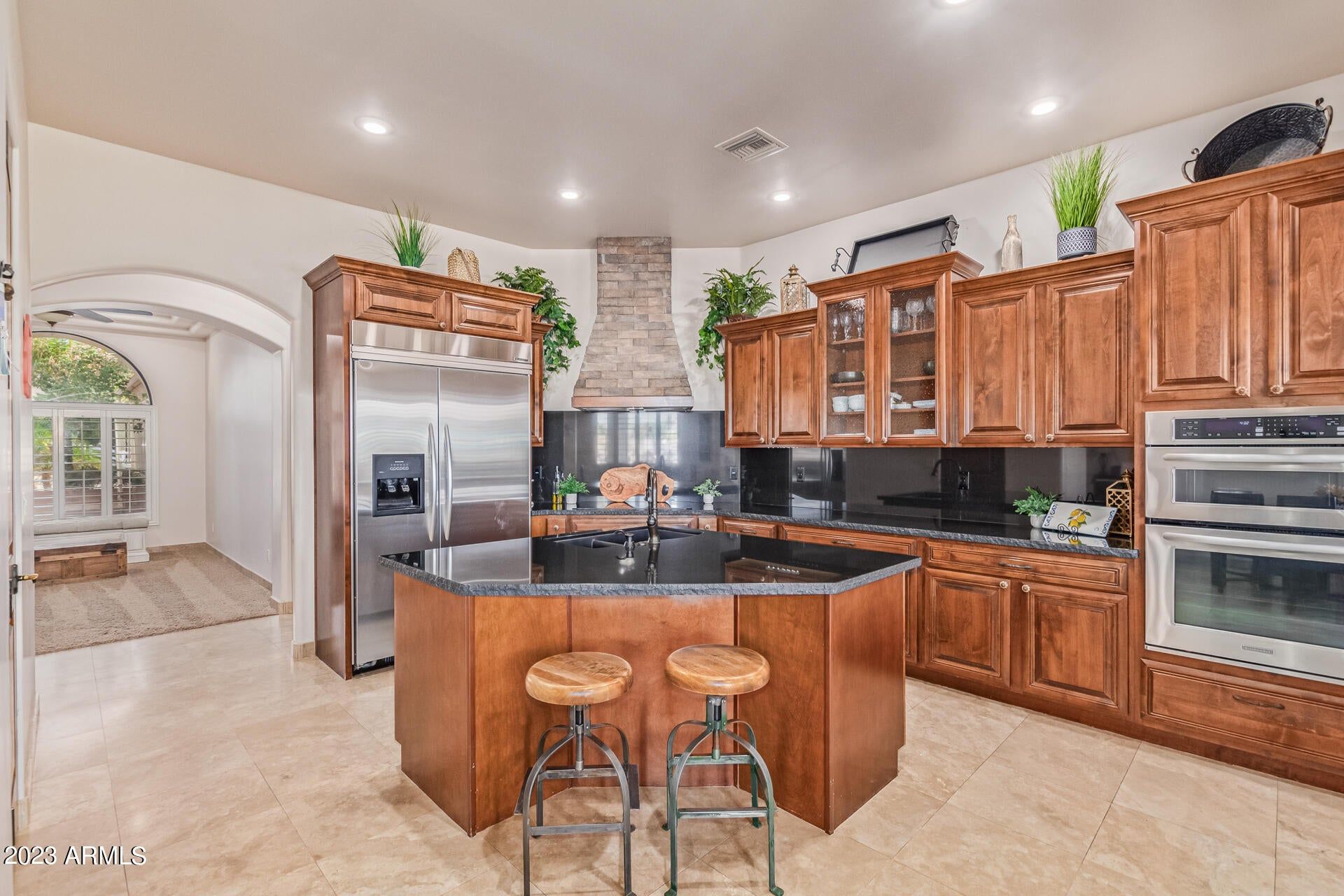
One of the questions we’ve been getting a lot lately from sellers is: Should we empty the entire house before we list it, or should we leave some furniture behind? The answer is: it depends on the house. Some homes photograph beautifully empty. Others really need furniture to help buyers understand the size or layout of a room. And sometimes the best answer is somewhere in between—emptying most of the home while strategically leaving a few important pieces. That’s one reason we like to walk through a home well before the seller is ready to list. We aren’t just looking at what needs to be cleaned, repaired or packed. We’re thinking about how buyers are going to experience the home, starting with what they see online. Is It Okay to Sell a Completely Empty House? Absolutely. If you need or want to move completely out before your home goes on the market, we can market a vacant home. Furniture is also usually less important in secondary bedrooms and other spaces where the size and purpose of the room are easy to understand. Buyers generally don't need to see a bed in every bedroom to know what the room is used for. Technology has also given buyers new ways to visualize vacant spaces. As Zillow Pro agents, we have access to enhanced Zillow marketing features that allow online buyers to digitally explore different furniture styles in certain listing photos. When buyers interact with a listing, it can also help fuel Zillow's retargeting efforts and keep the property in front of interested shoppers. But just because we can market a completely empty house doesn't mean we always should. Sometimes real furniture does a much better job. When We Strongly Recommend Leaving Furniture Furniture becomes more important when a room is difficult to understand without it. We've probably all walked into an empty bedroom and thought: There is no way a king-size bed fits in here. Then you see the same room furnished and realize not only does the king-size bed fit, but there's also room for a dresser, chair or even more furniture. Empty rooms can be surprisingly difficult to judge for scale. The same thing can happen with a large great room, an unusual dining area, an awkward corner or a floor plan where buyers may not immediately understand how furniture should be arranged. In those situations, leaving the right pieces behind can answer an important question without saying a word. It shows buyers how the space actually works. Remember: Your First Showing Is Probably Online Years ago, sellers primarily worried about how their home looked when a buyer walked through the front door. Today, we have to think about what happens long before that. Your first showing may happen while a buyer is sitting on their couch scrolling through homes on a phone or laptop. They are looking at photos, studying the floor plan, watching video and deciding whether your house deserves an in-person visit. If a room looks confusing or smaller than it really is, some buyers may never make it to the showing. That's why our staging decisions aren't simply about decorating a house. We're thinking about how the home will translate through a screen.

Knowing the Neighborhood Is Important. Getting Buyers to Notice Your Home Is Too. There is absolutely value in knowing a community well. An agent who works primarily in one neighborhood may know the floor plans, clubhouse, HOA and recent sales inside that community very well. But there is another part of selling a home that matters just as much: How are we going to get buyers interested in your home before they ever get in the car? Because that is where the first showing happens today. It happens from a couch in Minnesota. At a kitchen table in Washington. On a laptop in California. Or on a phone somewhere else in Arizona. Before buyers schedule a showing, they are scrolling through listings and deciding which homes deserve their time. They may start with 30 possibilities online, narrow that to 10, and ultimately choose four or five homes to actually see. Our first job is to make sure your home survives that cut . We Want Buyers to Understand Why Your Home Is Different Our marketing starts before the photographer arrives. We walk through the home and determine what should stay, what should move and whether light staging would help a room photograph or function better. We also look for repairs or small improvements that may be worth addressing before buyers see the property. Then we build the marketing around what makes that particular home worth seeing . Professional photography creates the first impression. A measured floor plan helps buyers understand how the home lives. Video allows us to show the property in a way photos can't and gives us the opportunity to explain important features. Drone photography or video can show the lot, golf course, community or surrounding area when location is part of the home's value. We also use custom property marketing, our website, YouTube and social media to give the home additional opportunities to be discovered. Because buyers aren't searching in only one place anymore. They are searching Google, watching YouTube, scrolling social media and increasingly asking AI tools questions about where to live, what communities fit their budget and what they can buy in different parts of Arizona. Our marketing needs to meet buyers where they are looking. Don't Make Buyers Discover the Best Features by Accident This is one of the biggest differences in how we approach a listing. If your home has an expanded floor plan, owned solar, updated windows, an oversized second bedroom, RV storage options, a golf course view, a secure yard for a dog or an unusually private lot, we don't want buyers discovering those things after they arrive. Those are reasons to come. Part of our job is identifying the features that separate your home from the competition and making sure buyers understand them while they are still deciding what to see. Sometimes that requires a little detective work. Was an addition completed by the original builder? Is the reported square footage correct? How old is the air conditioner? Is the solar owned, leased or prepaid? Does the community offer RV storage? Are there improvements we should document? Those details can affect value, marketability and ultimately a buyer's decision. This Is Why Selling Across Many Active Adult Communities Helps Us Because we sell active adult homes throughout the Valley and into Maricopa and Casa Grande, we see what buyers are comparing. We aren't looking at your home only against the last three sales inside your subdivision. We're also thinking about the other communities, homes and price points competing for the same buyer. That broader perspective helps us identify what makes your home competitive and how we should position it. So when a seller asks: “Have you sold in my neighborhood?” It's a good question. I would just add one more: “What are you going to do to make buyers choose my home to see?” Because before we can sell your home, we have to earn the showing. And today, that usually happens before the buyer ever leaves the couch. Frequently Asked Questions Should I hire a Realtor who specializes in my active adult community? Not necessarily. Experience in your specific community can be helpful, but it is only one factor to consider. Look at the agent's overall experience with active adult homes, marketing plan, knowledge of competing communities, communication and ability to position your home against everything your likely buyer may be considering. Does a Realtor need to live in my neighborhood to sell my home? No. Buyers today often discover homes online before they ever visit the neighborhood. Your agent should learn the details of your community while also understanding how your home compares with similar properties and active adult communities across the area. What should I ask a Realtor before listing my active adult home? Ask what they will do before the home is listed, how they will market it online, whether they use professional photography, video and floor plans, how they identify and market important property features, and how they plan to make your home stand out from competing listings. How do buyers find active adult homes in Arizona? Many buyers start online using real estate websites, Google, YouTube and social media, and some are now using AI search tools to research communities and areas. This is especially important in Arizona because many active adult buyers are moving from another state and may begin researching months before they visit. Are buyers comparing different active adult communities? Absolutely. Buyers may compare homes in communities located many miles apart. They often consider home prices, HOA fees, amenities, golf, pools, fitness facilities, clubs, pet rules, RV options, location and the overall lifestyle each community offers. What marketing should my Realtor provide when selling an active adult home? The marketing should fit the property, but professional photography is a great starting point. At Rover Realty, our marketing can also include light staging, measured floor plans, video, drone photography or video when appropriate, custom property marketing, YouTube, social media and online content designed to help buyers understand the home before scheduling a showing. What if Rover Realty has never sold a home in my exact community? We'll tell you. We aren't going to claim experience we don't have. But we sell active adult homes throughout the Phoenix Valley and into areas including Maricopa and Casa Grande, which gives us a broad view of what active adult buyers are considering. We will research your specific community, understand its rules and amenities, study the competing homes and build a marketing plan around what makes your property stand out. What is the most important question to ask when choosing an agent to sell my home? Instead of only asking, “Have you sold in my neighborhood?” also ask: “What are you going to do to make buyers choose my home to see?” Before an agent can sell your home, they first have to earn the showing. And today, that often happens before the buyer ever leaves the couch.

Why Early Planning Can Help Protect Their Wishes, Finances, Home and Independence Noticing changes in an aging parent or loved one can be difficult. Maybe Mom has always been incredibly organized, but suddenly bills aren't getting paid. Dad is repeating the same financial questions. A parent who has always been cautious with money suddenly believes a stranger on the phone who says they've won a prize. Or maybe nothing dramatic has happened at all. You simply know your parent well enough to recognize that something feels different. This can be an uncomfortable conversation for families, and it's easy to put it off. But one of the most important things we've learned from working with families through major life transitions is this: Early planning gives families options. A crisis can take options away. A Diagnosis Does Not Automatically Mean Someone Has Lost Legal Capacity This is an important distinction. Families sometimes assume that a diagnosis of Alzheimer's disease, dementia, or another cognitive condition automatically means their loved one can no longer make decisions or sign legal documents. That isn't necessarily true. A medical diagnosis and legal capacity are not the same thing. Capacity can depend on the individual, the decision being made, and the circumstances at that particular time. This is why families should seek guidance from qualified medical professionals and an Arizona estate-planning, elder-law, or probate attorney rather than trying to make that determination themselves. The goal should never be to unnecessarily take control away from someone. Whenever possible, the goal is to allow your loved one to participate in planning for their own future while they are still able to clearly express what they want. Don't Wait Until You Need the Paperwork One misconception we hear is: "If Mom eventually develops dementia, I'll just get a Power of Attorney then." Unfortunately, it may not be that simple. A Power of Attorney is something the person granting authority must have sufficient capacity to execute. If capacity has already been lost and appropriate planning documents aren't in place, the family may need to pursue a court-supervised guardianship, conservatorship, or both. In Arizona, these serve different purposes. A guardian generally has authority involving personal and health-care decisions, while a conservator generally manages the protected person's finances and assets. And this isn't simply a matter of filling out a form at the courthouse. The Cost of Waiting Can Be Significant One Arizona probate firm we regularly work with advises families that even a relatively straightforward guardianship and conservatorship proceeding can start at approximately $15,000 in legal and related costs . Complicated or contested cases can cost considerably more. And the costs and responsibilities don't necessarily end when someone is appointed. Arizona conservators are subject to ongoing court oversight and generally must provide financial accounting to the court. The Arizona Judicial Branch requires an initial budget and accounting process followed by annual conservator accounts for subsequent years while the conservatorship continues. There can therefore be additional legal, accounting, fiduciary, and administrative expenses over time. This isn't meant to scare families into taking action. It's meant to explain why waiting until a crisis occurs can dramatically reduce the family's options. There May Be Another Option When Capacity Is Questioned When there is uncertainty surrounding someone's cognitive capacity, one probate firm we regularly work with has advised families that an evaluation by a neurologist or other appropriate medical professional may provide important evidence regarding the person's cognitive functioning. That route can potentially cost significantly less than immediately pursuing a guardianship or conservatorship. But there can be another problem: Time. The probate professionals we work with have seen families encounter waits as long as six to nine months for appointments with certain specialists. Imagine discovering this when you suddenly need to make an important housing, financial, legal, or medical decision. The appointment you need may not be available for months. That's another reason families shouldn't wait until an emergency to begin these conversations. What Should Families Watch For? None of the following automatically means someone has dementia or lacks capacity. There are many reasons a person's behavior can change, and medical concerns should be evaluated by appropriate health-care professionals. But changes worth paying attention to may include: Bills that were always paid on time suddenly being missed Repeated confusion surrounding familiar financial tasks Unusual purchases or withdrawals Difficulty keeping track of appointments or medications Repeatedly asking the same financial questions Becoming unusually trusting of strangers Falling for offers or scams that previously would have raised immediate suspicion Sudden changes in financial habits New people becoming unusually involved in their finances Uncharacteristic decisions involving major assets The goal isn't to diagnose your parent. It's to recognize when it may be time to start asking questions. Cognitive Decline Can Also Increase Vulnerability to Scams Unfortunately, financial exploitation is another reason families should pay attention. The Arizona Attorney General specifically identifies protecting older adults from financial exploitation and consumer scams as an elder-affairs priority. The FBI also identifies lottery and sweepstakes schemes as common frauds targeting older Americans. We recently heard about a particularly frightening example. A senior was told they had won a Publisher's Clearing House-style prize of more than $500,000. There was just one catch. They supposedly needed to pay the "taxes" first. The requested payment was nearly $100,000 . That's a classic warning sign. Legitimate sweepstakes do not require winners to send enormous advance payments in order to receive a prize. Similar lottery and sweepstakes schemes have been used for years to target older adults. Scammers don't necessarily need someone to be completely incapacitated. They may only need a moment of confusion, fear, loneliness, trust, or vulnerability. The House Can Be a Target Too This is where our experience in real estate becomes particularly important. For many older adults, their home is their largest financial asset. And sometimes it's completely paid off. That can make the property—and the equity inside it—especially attractive to people looking to take advantage of a vulnerable homeowner. Families should be alert for things such as: Unexpected changes to deeds or ownership Documents the homeowner doesn't remember signing Pressure to sign paperwork quickly Extremely low cash offers Someone insisting the home is worth substantially less because it needs repairs Unfamiliar people suddenly becoming involved with the property Attempts to obtain personal or financial information Offers promising to "take all the stress away" without explaining what the homeowner is giving up financially Not every cash offer is predatory. There are absolutely situations where someone knowingly chooses to accept less money in exchange for speed, convenience, certainty, or avoiding repairs and showings. The important word is knowingly. A homeowner should understand the available options and approximately what each option means financially before making that decision. Convenience Has Value—But So Does Equity We've helped many families compare an immediate as-is cash sale with selling traditionally on the open market. Sometimes the cash option makes perfect sense. Other times, the difference in proceeds can be tens of thousands—or even hundreds of thousands—of dollars. Our job isn't to decide which option someone should choose. Our job is to make sure they can see the numbers clearly enough to make an informed decision. For someone experiencing cognitive changes, having trusted family members and appropriate legal and financial professionals involved can become especially importa nt. Planning Early Is About Preserving Control Sometimes families hesitate to bring up estate planning or Powers of Attorney because they're afraid their parent will feel as though everyone is trying to take control. I think it's helpful to look at it differently. Planning early can actually help preserve your loved one's control. When someone can clearly communicate their wishes, they can participate in deciding: Who should help manage their finances if they eventually cannot? Who should make medical decisions? Where would they prefer to live? What happens to their home? Who do they trust? What matters most to them? Arizona provides Life Care Planning resources, including Health Care Power of Attorney documents, specifically to help people make their wishes known regarding future medical decisions. Waiting until capacity has been lost may mean some of those decisions eventually require court involvement instead. Start With the Right Professionals If you're beginning to notice cognitive changes in someone you love, you don't need to solve everything yourself. And your Realtor shouldn't be diagnosing your parent or giving legal advice either. Depending on the circumstances, the right team may include: Their physician To evaluate medical or cognitive concerns. An Arizona estate-planning or elder-law attorney To review existing Powers of Attorney, trusts, estate documents, and planning options. A financial professional or CPA To help identify unusual financial activity and protect assets. Trusted family members To help create additional eyes and ears around someone who may be becoming vulnerable. Senior living or placement professionals If housing or care needs are beginning to change. An experienced real estate professional If the home eventually becomes part of the transition. This is exactly why we developed The Rover Network. No single professional should try to be the answer to every problem. The goal is to recognize when it's time to bring the right person into the conversation. What Can Families Do Right Now? If you're seeing changes but there isn't an immediate crisis, start with conversations rather than control. Encourage your loved one to: Schedule an appointment with their physician Review existing estate-planning documents with an attorney Confirm who is named in Powers of Attorney Make sure trusted people know where important documents are located Review financial accounts for unusual activity Consider alerts or additional safeguards on major accounts Be cautious about unsolicited calls, emails, contractors, investors, and "prize" notifications Review how their home is titled Talk openly about their wishes if their housing needs eventually change The Arizona Attorney General maintains elder-affairs and Life Care Planning resources for Arizona families, including information about scams and advance health-care planning. From Angela's Desk One of the hardest things about watching someone you love age is knowing when to step in and when to step back. No one wants to make a parent feel incapable simply because they're getting older. And one forgotten bill or misplaced set of keys certainly doesn't mean someone has dementia. But I've also seen what happens when families wait until something has gone terribly wrong. By then, the conversation isn't about planning anymore. It's about solving a crisis. I think there's a better way. Pay attention. Have uncomfortable conversations while they can still be conversations. Bring in qualified professionals when something doesn't seem right. And most importantly, let your loved one have as much voice as possible in deciding what their future should look like. Planning isn't about taking their independence away. Done properly, it may be one of the best ways to help protect it. Frequently Asked Questions Does a dementia or Alzheimer's diagnosis automatically mean someone can't sign a Power of Attorney? No. A medical diagnosis does not automatically determine legal capacity. Capacity can depend on the individual, circumstances, and the particular decision or document involved. Families should seek advice from appropriate medical professionals and a qualified Arizona attorney rather than making that determination themselves. What's the difference between guardianship and conservatorship in Arizona? Generally, a guardian is responsible for personal and health-care decisions, while a conservator manages finances and assets. Arizona courts supervise these arrangements, and conservators have ongoing financial reporting responsibilities. How much does guardianship or conservatorship cost in Arizona? There isn't one fixed amount. One Arizona probate firm we regularly work with advises families that even a relatively straightforward guardianship and conservatorship can start around $15,000 in legal and related costs. Complicated or contested matters may cost considerably more, and ongoing court supervision can create additional expenses. Should we have Mom or Dad evaluated if we're noticing cognitive changes? Start by discussing your concerns with appropriate medical professionals. When legal capacity is also a concern, an elder-law or estate-planning attorney can advise whether additional medical evaluation or documentation may be appropriate. What should I do if I think my parent is being scammed? Act quickly. Contact the relevant financial institution if money may be at risk, preserve documentation, and consider contacting appropriate law enforcement or consumer-protection agencies. The Arizona Attorney General's Elder Affairs resources include information for reporting scams and elder exploitation. What if someone is trying to buy my parent's house for far below market value? Don't sign anything until the homeowner and appropriate trusted representatives understand the property's likely market value and the terms being offered. An as-is cash sale can be a legitimate option, but the homeowner should understand the financial tradeoff before making that choice.

Yes. And there are some very good reasons why you may want your own representation. We sell quite a few manufactured homes throughout the Phoenix area, partly because there are so many manufactured-home communities near us. Many of these communities work differently from a traditional neighborhood. You may be buying the home but not the land underneath it . Instead, you pay monthly lot rent to the community. The park may also have its own rules, application process, age requirements, pet restrictions, fees and other requirements. And there is another big difference buyers often don't realize. The Salesperson at the Park May Not Be a REALTOR® Many manufactured-home communities have their own sales office or salespeople who help sell homes within the park. That does not automatically mean they are Arizona real estate agents or REALTORS®. Arizona has a separate licensing system for people who sell manufactured and mobile homes. Depending on the situation, a salesperson may be licensed through the Arizona Department of Housing and work for a licensed manufactured-home dealer or broker rather than being licensed as a real estate agent. Why does that matter? Because when you walk into the park sales office, you should understand who that person represents. Someone who is helping sell a particular home is not automatically your buyer's representative. Those are two very different jobs. Can I Bring My Own Real Estate Agent? Yes. We regularly represent buyers purchasing manufactured homes in land-lease communities. Just like any other real estate representation, it is important to discuss with your agent before you begin shopping how they will be compensated. In a traditional Arizona residential resale transaction, a buyer may request that the seller contribute toward the buyer's broker compensation as part of the purchase offer. That request is negotiable, and the seller is not required to agree to it. Manufactured homes located on leased land may be sold using a different process and different paperwork, and the park, dealer or seller may not offer or agree to pay a buyer's agent. That does not mean you can't have your own representation. It simply means you and your agent should discuss the transaction and compensation ahead of time so you understand your options and any potential cost before moving forward. For many buyers, having someone at the table whose job is specifically to represent their interests can be extremely valuable. Don't Skip the Inspection Just Because Someone Says You Don't Need One This is probably one of my biggest concerns. I have personally heard salespeople tell buyers that they don't need an inspection or that inspections aren't done on manufactured homes. Nope. Manufactured does not mean maintenance-free. These homes can still have expensive problems involving: HVAC systems Plumbing Electrical systems Water heaters Roofs Windows and doors Subfloors Appliances Additions and Arizona rooms Structural or support components An inspection on a manufactured home may look somewhat different from one on a traditional site-built home, and you want an inspector familiar with manufactured housing. But the idea that you should simply buy one without inspecting it because "that's how it's done here" should make you ask more questions, not fewer. "It's Being Sold As-Is" Doesn't Mean Nobody Will Negotiate Another statement I recently heard was that homes in a particular community were sold AS-IS with no repairs. The words "as-is" can sound pretty intimidating. But here's what buyers need to understand. Even the standard Arizona residential resale contract states that the property is being sold in its present condition. That doesn't mean buyers shouldn't inspect the home or that the parties can never negotiate after problems are discovered. We've represented buyers who had inspections performed on manufactured homes and discovered problems. And guess what happened? We've had sellers agree to make repairs. We've had sellers offer credits. We've negotiated solutions that worked for both sides. Why would a seller agree to that? Because sometimes the alternative is losing the buyer. If there are 20 other manufactured homes for sale in the same community and an inspection uncovers an expensive problem, a seller may decide that working something out makes much more sense than watching the buyer move on to another home. What a buyer can request, and what happens after an inspection, will depend on the particular agreement being used. But hearing the words "as-is" should never be confused with "don't inspect it." Be Careful How Much You Tell the Park Salesperson This one doesn't get talked about enough. I've toured manufactured homes with buyers while a community salesperson accompanied us. And I've been amazed at some of the information I've heard. Things like: "The seller has cancer and really needs to sell." "They're getting divorced." "They need this sold immediately." "They'll probably take just about any offer." From a buyer's perspective, that information can certainly affect negotiations. But here's the other side of that coin: What is being said about you after you leave? Suppose you tell the salesperson: "We absolutely love this one." "This is the only community we'll consider." "We have to move before the end of the month." "We could probably go another $15,000 if we had to." You may have just handed over information that could weaken your negotiating position. When we represent a buyer, we're careful about what information gets shared and why. You don't need everyone involved in the transaction knowing your maximum budget, your deadline, how emotionally attached you've become to the home or how badly you need the deal to work. There's a time for showing your cards. Negotiating the purchase price usually isn't it. You're Also Buying Into the Community With a land-lease manufactured home, evaluating the house is only half of the homework. You also need to understand the park. Before purchasing, buyers should investigate things such as: Current monthly lot rent What the lot rent includes Community application and approval requirements Additional monthly or annual fees Pet restrictions Parking and vehicle restrictions Rules regarding occupants Rules regarding improvements to the home Amenities Utility responsibilities Any applicable age restrictions Community rules and regulations How and when lot rent may change A beautiful home can become much less attractive if you discover afterward that the community rules or monthly costs don't work for you. One More Important Difference: The Title Arizona manufactured and mobile homes that have not been permanently affixed to real property generally have certificates of title issued through the Arizona Motor Vehicle Division. That's one reason these transactions can look very different from purchasing a traditional house and lot. If the manufactured home has been permanently affixed to real property, however, the ownership and title process is different. This is another area where buyers should make sure they understand exactly what they're purchasing: the home only, or the home and the land. The Bottom Line You absolutely can have your own real estate agent represent you when purchasing a manufactured home in a land-lease community. The park salesperson may be perfectly helpful and knowledgeable about the community. But that doesn't automatically make that person your representative. Those are two different things. Independent representation gives you someone who can help you evaluate the purchase, review comparable sales, think through an offer, protect your negotiating position, coordinate inspections and help you understand what you're agreeing to before you sign. Manufactured homes can be a great option for buyers looking for affordability, amenities or a particular lifestyle. Just don't confuse a simpler-looking purchase with a purchase that doesn't deserve proper due diligence. Frequently Asked Questions Can I use a REALTOR® to buy a manufactured home in an Arizona land-lease community? Yes. Buyers can choose to hire their own real estate agent for representation. How that agent is compensated should be discussed before beginning the home search. Depending on the transaction, the seller, dealer or park may or may not agree to contribute toward the buyer's agent compensation. Your agent can explain your options before you make an offer. Do manufactured homes have titles in Arizona? Generally, Arizona MVD issues certificates of title for mobile and manufactured homes that are not affixed to real property. A home permanently affixed to real property is handled differently, so buyers should verify how the particular property is titled. Should I get an inspection on a manufactured home? We strongly recommend buyers consider an inspection. Manufactured homes can have many of the same costly problems as other homes, including HVAC, electrical, plumbing, roofing and water damage. Look for an inspector experienced with manufactured housing. If a manufactured home is being sold as-is, can I still ask for repairs? Depending on the purchase agreement, inspection findings and circumstances, buyers and sellers may still negotiate repairs, credits or other solutions. "As-is" should not be interpreted as "don't inspect it" or "don't ask questions." Does the salesperson in the park represent me? Don't assume so. Ask directly who the salesperson represents and what type of license they hold. A manufactured-home salesperson working for a dealer or broker is different from hiring a real estate agent specifically to represent you as the buyer. What should I investigate besides the manufactured home itself? The land lease and community rules are extremely important. Review lot rent, fees, application requirements, utilities, pet rules, parking restrictions, occupancy requirements, amenities and other community regulations before committing to the purchase. This article is intended for general educational purposes and is not legal advice. Manufactured-home transactions, community requirements, contracts, title status and representation agreements can vary significantly. Buyers should rely on their specific purchase documents and community agreements and consult the appropriate licensed real estate professional, manufactured-housing professional, title professional and/or attorney regarding their individual transaction.
At Rover Realty, we believe that supporting our community goes beyond real estate. Each month, we’re proud to give back to organizations making a meaningful difference, and this month, we’re honored to support SauerPower Veterans Empowerment Alliance (SPVEA) .

When should a seller turn off utilities when selling a home in Arizona? And when should a buyer have utilities turned on? It sounds like a small closing detail, but getting the timing wrong can create a big problem. Our general recommendation is simple: Sellers: Schedule utilities to turn off the day AFTER closing. Buyers: Schedule utilities to begin in your name ON closing day. Here's why. Sellers: Don't Schedule Utilities to Shut Off on Closing Day Under the standard Arizona residential purchase contract, the seller is generally required to keep the property's utilities on through the close of escrow. That's important because the buyer may need the utilities for the final walk-through and to verify that agreed-upon repairs have been completed. For that reason, we generally recommend that our sellers schedule their utilities to be turned off the day after the scheduled close of escrow. For example: Closing Tuesday? Schedule shutoff for Wednesday. Why not Tuesday? Because telling the utility company to shut off service "on Tuesday" doesn't necessarily mean they will wait until the transaction closes. They could disconnect service early in the day. Now imagine the buyer arrives for the final walk-through and there is no electricity. They can't properly check the lights, appliances, air conditioning or repairs involving electrical systems. That can create an unnecessary problem right before closing. The Extra Day Gives Sellers a Safety Net Real estate closings don't always happen exactly as planned. A lender could need another document. Funding could be delayed. A last-minute title issue could arise. Recording could be pushed into the following business day. Scheduling utilities to end the day after closing gives the seller a little breathing room. If we learn that closing isn't going to happen as scheduled, there may still be time to contact the utility providers and extend service another day. That's much easier than discovering the utilities have already been disconnected and trying to have them turned back on—possibly with additional fees. But There's an Important Distinction Scheduling the shutoff for the following day is meant to protect the seller before closing . It is not intended to provide utility service to the buyer after the property has closed. Once the transaction closes, buyers should have established their own utility accounts. A seller certainly doesn't want to remain financially responsible for a buyer's utility usage after closing. Imagine a buyer immediately draining and refilling a swimming pool while the water is still being billed to the former owner. That could potentially mean hundreds of dollars in water charges. That's why both sides need to coordinate their utility dates properly. Buyers: Schedule Utilities to Start on Closing Day For buyers, we recommend scheduling utilities to begin in your name on the scheduled closing date. Don't wait until closing day to start making phone calls. Contact the utility providers ahead of time and arrange for the account to transfer or begin on your closing date. This is especially important if you plan to move into the home immediately. You don't want to get your keys at 4:00 in the afternoon and discover you don't have electricity, water or gas. Arizona in August is a particularly bad time to learn that lesson. Watch Out for Fridays, Weekends and Four-Day Workweeks Timing becomes even more important with some Arizona municipalities and utility providers. Some government offices and municipal departments operate on four-day workweeks or have limited Friday availability. Let's say your home closes on a Thursday. You get busy and forget to arrange for water service. Friday morning you try to establish your new account, only to discover that the department is closed or has limited availability. Your request may not even be reviewed until Monday—and that doesn't necessarily mean your service will begin Monday. This is why we encourage buyers to start working on their utility transfers several business days before closing. Special Instructions for City of Phoenix Buyers If you're purchasing a home in the City of Phoenix, pay particular attention to your City Services account , which includes water and related municipal services. Phoenix requires additional documentation when a homebuyer establishes service. The good news is that you don't necessarily have to wait until after closing to submit the request. The City currently allows a buyer who is closing soon to provide a PDF copy of the estimated OR final Settlement Statement from the title company as evidence of the purchase. That means this is something you can work on before closing. Ask Your Title Company for the Document If you're buying in Phoenix, ask your title or escrow company for an estimated Settlement Statement before closing. Once you receive it, you can use it as part of your City Services start-service request rather than waiting until you have the final statement after closing. The City currently advises allowing at least three business days for processing, excluding weekends and City holidays. That makes planning ahead especially important for a Thursday or Friday closing. Don't wait until you receive your keys to start figuring this out. Utility requirements and processing times can change, so buyers should always verify the current requirements directly with the City of Phoenix before closing. Buyers: Be Prepared for Deposits and New-Service Fees Another surprise for some buyers is the upfront cost of establishing utility service. Depending on the provider and your account history, you may be required to pay a deposit, connection charge or other new-service fee. Some deposits can be substantial and may not be refunded or credited until you've established a history of on-time payments, sometimes for a year or more. If you're moving to a new city or using utility providers you've never used before, ask about these charges ahead of time. Closing already comes with enough expenses. Nobody enjoys discovering another few hundred dollars in deposits after they've signed their closing documents. Sellers: Confirm Your Accounts Are Actually Closed Sellers have one more important job after closing. Confirm that your utility accounts have been closed and that any automatic payments have been stopped. Don't assume everything happened correctly just because you submitted a shutoff request. This can become particularly important when a buyer doesn't immediately establish service in their own name. This sometimes happens with second homes or properties that won't be occupied right away. If the utility provider continues billing the former owner's account, you don't want to discover weeks later that you've been paying for utilities at a home you no longer own. After closing, verify that: Electricity service has ended in your name. Water service has ended in your name. Gas service has ended in your name, if applicable. Trash or other municipal services have been stopped or transferred when applicable. Automatic payments have been canceled. The utility providers have your forwarding address for final bills or refunds. Keep copies of your final statements as well. Our Simple Rule for Arizona Closings Here's the easiest way to remember it: SELLERS: Schedule utilities to turn off the day after closing. BUYERS: Schedule utilities to begin on closing day. BOTH: Handle the requests ahead of time. Don't wait until closing day. And if you're buying in the City of Phoenix, get your estimated Settlement Statement from title and submit your City Services request early enough to allow for the City's processing time. A five-minute utility phone call made early can prevent a much bigger headache on closing day. Frequently Asked Questions When should a seller turn off utilities when selling a home in Arizona? We generally recommend scheduling utilities to be disconnected the day after the scheduled close of escrow . This helps ensure the utilities remain available through closing as required by the standard Arizona contract and provides a small cushion if closing is unexpectedly delayed. Why shouldn't I shut my utilities off on closing day? The utility provider could disconnect service early in the day, before the buyer completes a final walk-through or before the transaction officially closes. When should an Arizona buyer put utilities in their name? We generally recommend scheduling service to begin on the scheduled closing date . Make the arrangements several business days ahead of time rather than waiting until closing day. What does a City of Phoenix buyer need to start water service? The City of Phoenix currently allows a buyer who is closing soon to provide an estimated or final Settlement Statement from the title company as evidence of the purchase when establishing City Services. Buyers should request the estimated statement from their title company before closing and verify the City's current documentation requirements. How far in advance should I contact the City of Phoenix? The City currently recommends allowing at least three business days for processing a start-service request, excluding weekends and City holidays. Give yourself additional time when possible, especially around weekends and holidays. What happens if my closing is delayed? Contact the utility providers immediately. Sellers may need to extend their service through the new closing date, while buyers may need to adjust the start date for their accounts. Should a seller leave utilities in their name for a few days after closing? No. The recommendation to schedule shutoff for the day after closing is intended to protect against an early shutoff before the transaction closes , not to provide utilities for the buyer after closing. Buyers should establish service in their own names effective on the closing date. Should sellers cancel automatic utility payments after selling? Yes. Once the transaction has closed, verify that each account has been closed and review your automatic-payment settings. Keep your final statements in case there is a billing issue later. A Little Planning Goes a Long Way Utilities aren't the most exciting part of buying or selling a house, but they are one of those details you definitely notice when someone gets them wrong. For our clients, we help keep track of these little closing details because buying or selling a home already comes with enough moving pieces. Nobody wants their first memory in their new Arizona home to be sitting in the dark wondering when the air conditioner is coming back on. Contract Disclaimer: This information is intended for general educational purposes and is based on common provisions and practices involving Arizona residential real estate transactions. Contract terms, utility requirements and provider policies can vary and may change. Parties may also negotiate different contract provisions. Always review your specific signed agreement, verify current requirements directly with your utility providers, and consult your REALTOR® or an Arizona real estate attorney regarding questions about your contractual obligations.

"How do I know the seller actually completed the repairs they agreed to?" It's one of the most common questions buyers ask after the inspection period, and it's a good one. Many buyers assume their REALTOR® will inspect the repairs or that a stack of receipts guarantees everything was done correctly. In reality, the Arizona purchase contract lays out a clear process that explains what the seller is responsible for, what the buyer is responsible for, and how everyone can move toward closing with confidence. Here's how the process typically works in Arizona. Step 1: The Seller Completes the Repairs Unless the purchase contract or the BINSR (Buyer's Inspection Notice and Seller's Response) states otherwise, the seller must complete all agreed-upon repairs at least three (3) days before the Close of Escrow. This gives the buyer time to verify the repairs before becoming the new owner. Step 2: The Seller Provides Paid Receipts If the seller hired contractors or vendors to complete the repairs, they are required under the standard Arizona REALTORS® Residential Resale Purchase Contract to provide paid receipts for that work, unless the parties have agreed otherwise. Notice the important word: paid . A paid receipt helps document that the contractor or vendor has been compensated and provides valuable records of who performed the work, when it was completed, and what was repaired. It can also help reduce the likelihood of payment disputes after closing. Ideally, the receipts should include: The company that performed the work. The date the repairs were completed. A description of the work performed. Any warranty information, if applicable. Step 3: Can the Seller Do the Repairs Themselves? Yes. Many buyers are surprised to learn that Arizona's standard purchase contract allows sellers to complete repairs themselves unless the repair agreement specifically requires a licensed contractor or another qualified professional. However, there is an important requirement. The repairs must be completed in a workmanlike manner and to industry standards. That means the repair should be properly completed—not simply covered up or temporarily patched. What About Arizona's Handyman Law? Arizona also has a handyman exemption that generally allows certain work valued at up to $3,000 to be performed without a contractor's license, subject to Arizona law and the requirements of the Arizona Registrar of Contractors. Regardless of who performs the work, the seller is still responsible for ensuring the repairs meet the standards required under the purchase contract. Step 4: The Buyer Verifies the Repairs Once the seller notifies the buyer that repairs have been completed and provides any required documentation, the responsibility shifts to the buyer. The buyer has two options: Personally inspect the repairs. Hire their home inspector or another qualified professional to perform a re-insspection. For significant repairs involving roofing, electrical, plumbing, HVAC systems, foundation concerns, or other major components, many buyers choose to have their inspector return before closing to verify the repairs were completed. That extra inspection can provide tremendous peace of mind. Don't Skip the Final Walk-Through Before closing, buyers typically complete a final walk-through of the property. This isn't another full home inspection. Instead, it's an opportunity to confirm: The agreed-upon repairs appear complete. No new damage has occurred. The home is in substantially the same condition as when the purchase contract was accepted. Any agreed-upon personal property remains with the home. If something doesn't seem right, it's almost always easier to address it before closing than afterward. What Is My REALTOR®'s Role? Another common misconception is that your REALTOR® is responsible for verifying that repairs were completed correctly. While your REALTOR® plays an important role in coordinating the repair process, they are not licensed home inspectors, contractors, electricians, plumbers, or engineers. They cannot certify that repairs were completed properly or that the workmanship meets industry standards. Your REALTOR® can: Help negotiate repair requests. Track contractual deadlines. Obtain receipts and documentation from the seller. Coordinate access for inspectors and contractors. Recommend that you schedule a re-inspection when appropriate. Help address concerns before closing. However, the buyer is ultimately responsible for deciding whether to inspect the repairs personally or hire qualified professionals to verify the work before closing. Think of your REALTOR® as your guide and advocate throughout the transaction—not the person performing or certifying the repairs. The Bottom Line Arizona's repair process is designed to clearly define each party's responsibilities. The seller completes the agreed-upon repairs and provides the required documentation. The buyer then has the opportunity—and responsibility—to verify those repairs before becoming the new owner. Taking the time to review receipts, ask questions, schedule a re-inspection when appropriate, and complete a careful final walk-through can help prevent costly surprises after closing. Buying a home is one of the biggest investments you'll ever make. A little extra due diligence before closing can provide peace of mind for years to come. Frequently Asked Questions Can I require the seller to use a licensed contractor? Yes. If that's important to you, it should be specifically negotiated and written into the BINSR repair agreement. Otherwise, the seller may complete the repairs themselves as long as they are performed in a workmanlike manner and meet industry standards. Do I have to hire another inspection? No. Buyers are not required to hire a re-inspection, but it is often recommended for major repairs or when specialized work was performed. Can I delay closing if the repairs aren't completed? Possibly. If agreed-upon repairs have not been completed as required under the purchase contract, the parties may negotiate an extension, a credit, an escrow holdback (if permitted and agreed upon), or another solution. Every situation is unique, so work closely with your REALTOR® before closing. What if I discover after closing that a repair wasn't completed correctly? That depends on the circumstances. If a repair was agreed upon but was not completed or was performed improperly, there may be contractual or legal remedies available. Document your concerns, notify your REALTOR® promptly, and seek legal advice when appropriate. What if the seller says they fixed the problem, but I still think there's an issue? Don't guess. Before closing, you have the opportunity to inspect the repairs yourself or hire your home inspector or another qualified professional to verify the work. If concerns remain, it's best to resolve them before closing whenever possible. Can the seller give me a credit instead of making the repairs? Yes, if both the buyer and seller agree. In some situations, the parties may negotiate a seller credit instead of requiring repairs to be completed before closing. This allows the buyer to hire their own contractor after taking ownership. What if the repair is something I can't easily verify during the final walk-through? Some repairs—such as roofing, plumbing inside walls, electrical work, HVAC components, or foundation repairs—may require specialized knowledge. In those cases, hiring your home inspector or another qualified professional to perform a re-inspection before closing is often a wise investment. Important Disclaimer This article is intended to explain how the current Arizona REALTORS® Residential Resale Purchase Contract generally handles repair requests. Real estate contracts can be negotiated, and buyers and sellers may agree to terms that differ from the standard contract. This article is provided for educational purposes only and should not be considered legal advice. Always refer to the specific language in your signed purchase contract and consult your REALTOR® or attorney if you have questions about your contractual rights or obligations.

Buyers can forgive outdated cabinets. They can overlook old carpet. They can even see past ugly paint colors. But a bad smell? That is one of the fastest ways to lose a buyer. The moment someone walks through your front door, they're already forming an opinion. Most people don't realize that smell often creates that first impression before they've even had a chance to notice your beautiful kitchen or spacious family room. Unfortunately, smell is also one of the hardest things for homeowners to recognize in their own homes. Why You Can't Smell Your Own House Our brains are incredibly good at filtering out smells we experience every day. It's called olfactory adaptation . If you've lived with pets for years, burn the same candle every evening, or cook certain foods regularly, your brain simply stops noticing those scents. A buyer doesn't have that advantage. To them, it's the very first thing they experience. The Biggest Smell Culprits In Arizona homes, we commonly see buyers react to: Pet odors Cigarette smoke Heavy plug-in air fresheners Strong candles Essential oil diffusers Last night's fish, curry, garlic, or fried foods Musty carpet Damp towels or laundry Litter boxes Trash cans Sometimes homeowners are shocked when we share this feedback. Please don't be offended. We're actually grateful when buyers mention an odor because that usually means there's something we can improve before the next showing. Unlike the home's location or floor plan, odors are often fixable—and every improvement gives the next buyer a better experience. Be Careful With Air Fresheners This surprises a lot of sellers. Adding more fragrance doesn't usually solve the problem. In fact, it can create a new one. Many buyers today are extremely sensitive to heavy fragrances. Strong scents can trigger headaches, allergies, or asthma. Even buyers who aren't sensitive often have the exact same thought: "What are they trying to cover up?" If buyers begin wondering what's hiding underneath the fragrance, they're no longer paying attention to your home. They're looking for problems. Pet Owners: Clean Carpets Early We love our pets. Most buyers do too. But pet odors can linger deep in carpet padding long after you've stopped noticing them. One recommendation we frequently make is to professionally clean the carpets several weeks before your home goes on the market. Why weeks ahead? Because once hot water soaks into the carpet, trapped odors often become much stronger before they disappear. If you're scheduling a professional cleaning, ask about adding a pet odor neutralizing treatment instead of simply using scented deodorizers. Neutralizing the source is far more effective than trying to mask it. Arizona Homeowners: Don't Forget the Artificial Turf This is one of the most overlooked odor sources we see in Arizona. Artificial turf is fantastic for conserving water and reducing maintenance, but if you have dogs, it requires regular cleaning. During our 110°+ summer days, pet urine can literally bake into the turf. Then, as soon as a buyer steps into the backyard, they're hit with a wall of odor before they've had a chance to admire the pool, mountain views, or outdoor living space. Ironically, many homeowners don't notice it anymore because they're around it every day. Then monsoon season arrives. The added humidity can make those odors even more noticeable. What seemed manageable during the dry summer can suddenly smell like a damp dog training pad after a rainstorm. The good news is that this is usually fixable. Professional turf cleaning companies can deep-clean, sanitize, and deodorize artificial grass, and many homeowners are amazed at the difference. If your turf has seen years of use by pets, having it professionally cleaned before listing can be one of the highest-return investments you make. We've had buyers walk out onto what should have been a beautiful backyard only to immediately turn around and head back inside because the odor was so overwhelming. Once that happens, it's incredibly difficult to get them focused on the features that actually add value to the home. Don't Forget the Backyard Cleanup This one seems obvious... But it's amazing how often it gets overlooked. Before every showing, take a quick walk around the backyard and clean up after your pets. I've navigated backyards that felt more like an obstacle course than a place to relax. Some of those "landmines" looked like they'd been there long enough to become part of the landscaping. Besides being unpleasant to step around, pet waste creates another odor source—especially during an Arizona summer. Between triple-digit temperatures and our monsoon humidity, those smells can become surprisingly strong. The last thing you want is for buyers to spend their showing watching where they step instead of imagining themselves enjoying the backyard. A clean, fresh yard tells buyers the home has been well cared for. A neglected yard can unintentionally send the opposite message. What About Cigarette Smoke? This is in a category all by itself. Cigarette smoke doesn't simply stay in the air. Over time it settles into: Drywall Insulation Carpet Window coverings Cabinets HVAC systems Upholstery Even after deep cleaning, many buyers can still smell it. In our experience, cigarette smoke is one of the biggest value killers when it comes to preparing a home for sale. We've seen homes require double-digit price reductions simply because buyers didn't want to take on the cost, time, and uncertainty of smoke remediation. Many buyers aren't interested—even when the home is priced well below market value. That's why, if smoking has occurred inside the home, it's worth talking with your REALTOR® early about your options before listing. There's a Reason Hotels Pay So Much Attention to Smell Ever notice how luxury hotels always seem to smell... clean? That's not an accident. Hotels spend enormous amounts of time and money creating subtle signature scents because they know smell has a powerful influence on how people feel. Even Disney uses carefully designed scents throughout portions of its parks to reinforce positive memories and emotions. The key word is subtle . Not overpowering. Our Goal Isn't to Criticize Our job isn't to hurt your feelings. It's to help your home sell for the highest price possible. If buyers consistently mention an odor, we're grateful they told us. That means we have an opportunity to fix it before more buyers walk through the door. Sometimes the smallest changes can completely transform a buyer's first impression. And first impressions are incredibly difficult to overcome once they're made. Buyers don't remember every feature they saw—but they almost always remember how a home made them feel. Fresh, clean, and inviting creates confidence. Unpleasant odors, no matter the source, create doubt. If you're getting your home ready to sell, don't underestimate the power of a home that simply smells... like home. Frequently Asked Questions Should I use candles or plug-in air fresheners before a showing? Usually not. Heavy fragrances often make buyers wonder if you're trying to cover up another odor. A clean, neutral-smelling home is almost always the better choice. Should I have my carpets professionally cleaned before listing? If you have pets or older carpeting, yes. Just try to have them cleaned several weeks before your home goes live so any odors released during the cleaning process have time to dissipate. Is artificial turf really a problem? It can be. In Arizona's summer heat, pet urine can build up in artificial grass and become very noticeable, especially during monsoon season when humidity amplifies odors. Professional turf cleaning can make a dramatic difference. Does cigarette smoke really affect a home's value? In our experience, absolutely. Smoke odor often reduces buyer interest, increases time on the market, and can lead to significant price reductions because many buyers don't want to deal with remediation. What if buyers mention an odor in my home? Don't take it personally. Feedback is one of the most valuable tools you have as a seller. If buyers consistently mention a smell, there's a good chance it can be addressed before the next showing—giving you a much better opportunity to attract a strong offer. --

If you're buying or selling a home in Arizona, one of the biggest surprises is how inspections work. Many people move here from states where the seller has the home inspected before it ever hits the market. That's common in some parts of the country. Arizona is different. Here, buyers decide whether they want inspections, they choose who performs them, and they pay for them. Here's how the process normally works. Step 1: The Seller Accepts an Offer Once the purchase contract is signed by both parties, the inspection period begins. Under the standard Arizona Residential Resale Purchase Contract, the default inspection period is 10 days , although buyers and sellers can agree to a different timeframe. During those 10 days, buyers have the opportunity to learn as much as possible about the property before deciding whether to move forward. Step 2: Buyers Schedule Their Inspections Buyers can hire any qualified inspectors they choose. Common inspections include: General home inspection Roof inspection HVAC inspection Pool inspection Sewer scope Pest/termite inspection Mold inspection Structural inspection Chimney inspection Electrical inspection Plumbing inspection As long as the inspections are non-invasive and do not damage the property, buyers can perform virtually any inspection they feel is appropriate. With one notable exception, buyers pay for these inspections themselves. The Septic Exception If the property has a septic system, Arizona law generally requires the seller to have the septic system pumped and inspected within six months before the transfer of ownership. This is one inspection that is typically the seller's responsibility under state requirements. Step 3: Buyers Review the Results Not every issue found during an inspection is a defect. Even newer homes often have pages of inspection notes. Most inspection reports contain maintenance recommendations, minor concerns, and suggestions for future upkeep. The goal is to understand the condition of the home—not necessarily to create a repair list for every item mentioned. Step 4: Buyers Must Share Their Inspection Reports One part of the Arizona purchase contract that often surprises buyers is that inspection reports must be provided to the seller. As buyers receive their inspection reports, they are required under the contract to promptly provide copies to the seller. This allows the seller to fully understand the concerns that were identified and helps them evaluate any repair requests that may follow. Even if the buyer ultimately decides to cancel the contract during the inspection period, the inspection reports generally still must be provided to the seller. Many buyers ask, "I paid for these inspections. Why do I have to give them to the seller?" The reason is simple. The seller needs to understand the issues being raised before responding to repair requests. Additionally, if the transaction falls through, the seller may now have knowledge of certain material defects that could require disclosure to future buyers. Step 5: Buyers Get One Opportunity to Request Repairs This is where many people become confused. In Arizona, buyers generally submit one formal repair request using the Buyer Inspection Notice and Seller Response (BINSR). The BINSR must identify the specific issues the buyer wants addressed. For example: Repair leaking kitchen sink drain. Replace broken GFCI outlet in the garage. Repair cracked roof tile above the patio. What buyers cannot do is submit vague requests like: "Inspect the air conditioner and repair anything you find." The requested repairs must be specific. Step 6: Sellers Have Five Days to Respond The seller then has five days to respond. This gives the seller time to: Obtain repair estimates Have their own contractors inspect the issues Decide how they want to respond A seller is not limited to one type of response. For example: Agree to repair Item #1 Offer a credit for Item #2 Decline Item #3 Every item can receive a different response. Step 7: Buyers Make Their Final Decision If the seller agrees to every repair request made in the BINSR, the inspection contingency is generally considered resolved and the transaction moves forward. If the seller does not agree to all requested repairs, the buyer has one final decision to make during the contract's response period. The buyer can: Accept the seller's response and move forward, or Cancel the contract and receive their earnest money back, provided they remain within their contractual rights. One important thing to remember: The cost of inspections is not refunded if the buyer decides to cancel. Step 8: Repairs Are Completed If repairs are agreed upon, the Arizona contract generally requires them to be completed at least three days before the close of escrow , unless the parties agree otherwise. Receipts or paid invoices are typically provided to the buyer before closing. Step 9: Buyers Can Reinspect If buyers want to verify the repairs were completed properly, they can hire their inspectors to return for a reinspection. Like the original inspections, these reinspections are typically paid for by the buyer. This gives buyers peace of mind that the agreed-upon work was completed to their satisfaction before closing. Don't Forget the SPDS Separate from inspections, Arizona sellers typically provide a Seller's Property Disclosure Statement (SPDS) within three days after contract acceptance. The SPDS is the seller's opportunity to disclose known information about the property, including: Roof Plumbing Electrical HVAC Appliances Past repairs Insurance claims Water intrusion Termites And much more The SPDS is not a substitute for inspections. Instead, it gives buyers a better understanding of the home's history and any known issues before they begin their inspections. The Bottom Line Arizona's inspection process is designed to protect both buyers and sellers. Buyers have the opportunity to thoroughly inspect the property and decide whether they're comfortable moving forward. Sellers have the opportunity to review specific repair requests and decide how they'd like to respond. Unlike some states, sellers generally do not obtain a home inspection before listing their property. Instead, buyers choose the inspections they want, pay for those inspections, and then decide how they wish to proceed based on what they learn. Knowing how the inspection process works before you're under contract can help reduce stress, avoid misunderstandings, and keep your transaction moving as smoothly as possible. Frequently Asked Questions Do sellers have to get a home inspection before listing their home in Arizona? No. Unlike some states, Arizona does not require sellers to obtain a pre-listing home inspection. Buyers decide whether to conduct inspections after the contract is accepted. Who pays for home inspections in Arizona? In most cases, buyers pay for any inspections they choose to perform. One common exception is properties with septic systems, where Arizona law generally requires the seller to have the septic system pumped and inspected before ownership transfers. What is a BINSR? BINSR stands for Buyer Inspection Notice and Seller Response. It is the form buyers use to submit their repair requests after completing inspections. Buyers generally have one opportunity to submit this request during the inspection period. Can buyers ask the seller to inspect something and fix whatever is wrong? No. Buyers must identify the specific issues they want addressed. They cannot submit open-ended requests asking the seller to inspect a system and repair whatever is found. What happens if the seller says no to some repairs? The buyer can decide whether to accept the seller's response and move forward or cancel the contract if they are still within their contractual rights during the inspection period. Do buyers have to give their inspection reports to the seller? Yes. Under the Arizona purchase contract, buyers are generally required to provide copies of their inspection reports to the seller as they receive them. This allows the seller to evaluate any repair requests and understand the findings that were discovered. Can buyers inspect the repairs before closing? Yes. Buyers may hire their inspectors to perform a reinspection before closing if they wish to verify that agreed-upon repairs were completed satisfactorily. Reinspection costs are typically the buyer's responsibility.

Closing day is one of the most exciting parts of selling your home—but it's also one of the most misunderstood. In fact, just this week I had two different sellers who were surprised by how closing works, even after we had discussed it ahead of time. One seller asked to move the closing date up to accommodate their schedule. A few days later, they sent me a list of belongings they planned to pick up over the next three days after closing. They also planned to return the house keys a day or two later. Unfortunately, that's not how closing works in Arizona. If you're selling your home, here's what you can expect on closing day. You'll Probably Sign Before Closing Day Many sellers are surprised to learn they usually don't sign on the actual closing date. In Arizona: Sellers often sign their closing documents several days before closing. Buyers obtaining a mortgage usually sign the day before closing. Cash buyers often have a little more flexibility and may sign closer to the closing date. Signing early gives the title company and lender time to review all documents so everything is ready for closing day. Signing your paperwork does not mean you've given up possession of your home. You continue to own and possess the property until the deed officially records on the scheduled closing day. The Title Company Holds Everything Until Closing Arizona uses a neutral third party called the title company to handle the closing process. Their job is to make sure every requirement has been met before ownership transfers. On closing day, a lot is happening behind the scenes: The buyer completes their final walk-through. The lender confirms everything is in order. Buyer funds are received. Loan documents are reviewed. The lender sends loan funds (for financed purchases). The title company verifies all funds have been received. Only after every requirement has been satisfied can the title company send the deed to the county recorder. The County Recorder Decides When the Sale Is Official This is one of the biggest misconceptions about closing. Neither the buyer... Nor the seller... Nor the REALTORS®... Nor the lender... Nor even the title company... ...has any control over when the county records the deed. Once the county recorder records the deed, ownership officially transfers to the buyer. At that exact moment, the home legally belongs to them. What Does "Possession" Mean? Possession simply means who has the legal right to occupy and control the property. In a standard Arizona real estate contract, possession transfers to the buyer when the deed records unless the contract specifically says otherwise. That's why sellers should plan to have the home completely vacated before recording occurs. If you need additional time after closing, it should be negotiated before closing through a written post-possession agreement. When Do Sellers Have to Be Out? Unless you've negotiated a written post-possession agreement, the expectation is simple: The home should be completely vacant by the time the deed records. That means: Furniture removed Personal belongings packed Garage emptied Trash removed Keys, garage remotes, mailbox keys, gate clickers, and other access devices left inside the home The buyers should be able to walk into their new home immediately after recording without waiting for the seller to finish moving. When Do I Get My Money? This depends largely on when the deed records. If the transaction records before the federal bank wire cutoff (typically around 2:00 p.m.), sellers often see their proceeds pending in their bank account that same day. If recording happens after the cutoff, the title company still has your funds safely in escrow, but the wire usually won't be sent until the next business day. This is one of the reasons I generally recommend avoiding Friday closings whenever possible. If an unexpected issue delays recording late Friday afternoon, the transaction often can't close until Monday. Likewise, if recording occurs after the wire cutoff on Friday, sellers may not receive their proceeds until the following business day. How Do the Buyers Get the Keys? Another common question is how buyers receive possession of the home. In most Arizona transactions: Sellers leave all house keys, mailbox keys, garage remotes, gate clickers, and other access devices inside the home. The listing agent leaves one key inside the lockbox. Once the deed records, the buyer's agent opens the lockbox, unlocks the home, and gives possession to the buyers. The remaining keys and remotes are already waiting for them inside. The lockbox, yard sign, and sign post are typically removed the following business day. Closing Day Is Mostly a Waiting Game Closing day can feel like nothing is happening, but in reality dozens of important steps are taking place behind the scenes. Everyone may have signed days earlier, yet nothing officially changes until the county records the deed. Once recording is complete: The buyer officially owns the home. The seller no longer has possession. The title company begins releasing the seller's proceeds. The buyer receives the keys and moves into their new home. Knowing what to expect ahead of time makes closing day much less stressful and helps everyone avoid unnecessary surprises. Frequently Asked Questions Do I have to be out of my house before closing? Yes. Unless you've negotiated a written post-possession agreement, the home should be completely vacant by the time the deed records and ownership transfers to the buyer. Can I stay in my home for a few hours after closing? No. Once the deed records, the buyer legally owns the property. If you need additional time, it should be negotiated before closing through a written post-possession agreement. Why do sellers sign before the closing date? Signing early allows the title company and lender time to review and prepare all of the paperwork. Signing does not mean you've given up possession of your home. You continue to own and possess the property until the deed officially records. What actually happens on closing day? Behind the scenes, the buyer completes a final walk-through, the title company verifies all documents and funds have been received, the lender (if applicable) sends loan funds, and the deed is submitted to the county recorder. Once the county records the deed, ownership officially transfers to the buyer. Who decides what time my home closes? The county recorder does. No one—not the buyer, seller, REALTORS®, lender, or title company—can control the exact recording time. When will I receive my proceeds? If the deed records before the federal wire cutoff (typically around 2:00 p.m.), sellers often see their proceeds pending that same day. If recording happens after the cutoff, the wire is generally sent the next business day. Can I leave furniture or other belongings for the buyer? Only if both parties have agreed to it in writing before closing. Otherwise, the home should be completely empty, clean, and free of personal belongings. Where do I leave the keys and garage remotes? Leave all house keys, mailbox keys, garage remotes, gate clickers, and other access devices inside the home before closing. Your listing agent will typically leave one key in the lockbox so the buyer's agent can access the property after recording. Do I need to be present on closing day? Usually not. Most Arizona sellers sign their documents a few days before closing and do not need to attend on the actual closing day. If you're selling from out of town, the title company can often arrange a mobile notary or remote signing. Why do you recommend avoiding Friday closings? If an unexpected issue delays recording on Friday, the transaction often can't close until Monday. In addition, if recording occurs after the bank's wire cutoff on Friday, sellers typically won't receive their proceeds until the next business day. What if my moving truck is delayed? Contact your REALTOR® immediately. If you know you'll need extra time, it's much easier to negotiate a post-possession agreement before closing than to try to resolve the issue after the buyer legally owns the home.

The short answer? Absolutely nothing. You do not need to deep clean, repaint, declutter every room, replace carpet, or spend weekends tackling repair projects before we come by. In fact, we would prefer to see the home exactly as it is today. Many homeowners put off reaching out because they are worried about being judged for unfinished projects, dated finishes, deferred maintenance, or years of accumulated belongings. Please don't let that stop you. We understand that homes are lived in. We regularly meet with homeowners who are downsizing, helping aging parents, managing inherited properties, dealing with life changes, or simply trying to figure out their next steps. Our job is not to judge your home. Our job is to help you understand your options. If You Are Considering a Traditional Sale After touring the property, we can provide recommendations on repairs or updates that may help maximize your value. Sometimes the recommendations are simple: Fresh interior paint Carpet cleaning Minor handyman repairs Yard cleanup Better lighting or staging Other times, we may recommend leaving things exactly as they are because the return on investment simply is not there. We can also provide estimates and connect you with trusted, reputable local vendors if you decide to complete any work. If You Are Considering a Cash Sale No repairs are necessary. We can gather the necessary photos and video documentation needed to obtain cash offers from investors who purchase homes in as-is condition. This can be a wonderful option for homeowners who: Do not want to make repairs Need to sell quickly Live out of state Have inherited a property Are dealing with extensive deferred maintenance Simply want the easiest path forward The Goal Is Information, Not Pressure Our appointment is simply a conversation. We will discuss your goals, review your options, and help you understand what a traditional sale versus a cash sale could look like. You do not need to have everything figured out before reaching out. You also do not need to apologize for your home. Just let us come take a look and help you determine the path that makes the most sense for your situation. Frequently Asked Questions Should I clean my house before the appointment? Only if it makes you feel more comfortable. We are there to evaluate the property, not inspect your housekeeping. Should I complete repairs before meeting with a Realtor? No. In many cases, homeowners spend money on repairs that do not significantly increase the value of the home. It is often best to get professional guidance first. What if my home needs a lot of work? That is completely okay. We regularly help homeowners sell homes in all types of condition, from fully updated homes to inherited properties that need extensive repairs.

One of the most common questions homeowners ask is: "Do I have to pay a Realtor to come out and tell me what my home is worth?" The answer is simple: Absolutely not. At Rover Realty, you won't be charged a penny for us to visit your home and discuss your options. During our visit, we take a quick look around the property, learn about any updates or improvements you have made, and discuss your goals and timeline. From there, we can provide you with two different paths to consider. Option 1: A Convenient Cash Offer If you are looking for a simple, hassle-free sale, we can help connect you with cash buyers and provide a quick cash offer. This option can be especially helpful for inherited homes, properties needing repairs, downsizing situations, or homeowners who simply want convenience. Option 2: A Traditional Sale Estimate We can also provide an estimate of what your home could likely sell for on the open market and discuss what your potential net proceeds may look like after expenses. Many homeowners are surprised to learn that there can be a significant difference between a cash offer and what they might receive through a traditional sale. Our goal is simply to give you the information you need to make the best decision for your family. Most importantly, there is no pressure and no obligation. Sometimes homeowners are ready to sell immediately. Other times they are simply gathering information for next year, helping a parent downsize, planning for retirement, or exploring options after inheriting a property. No matter where you are in the process, we are happy to help. Knowledge is free, and having a conversation about your home's value costs you absolutely nothing. If you've been wondering what your home might be worth or what your options look like, we'd be happy to stop by and provide you with the information you need to make an informed decision. Frequently Asked Questions How long does a home value consultation take? Most visits take about 20 to 45 minutes depending on the size of the home and the questions you have. Do I need to clean or prepare my home? Not at all. We understand that life happens. We are there to evaluate the property and discuss your options, not judge housekeeping. Am I required to list my home if you provide a value estimate? Absolutely not. There is no obligation whatsoever. Many homeowners simply want information so they can plan for the future.

Helping families navigate life's hardest transitions

Understanding trustees, personal representatives, beneficiaries, and why it matters

What many families don't expect after losing a loved one

Why identifying hidden problems early can save time, money, and stress