


One of the most common questions we get from Arizona home sellers is: “Do I really need to disclose that? We already fixed it.” In most cases, the answer is yes . A repair doesn't erase the history of what happened. Maybe the roof leaked five years ago and was repaired. Maybe there was a plumbing leak behind a wall. Perhaps termites were treated years ago, an electrical issue was corrected, or an air conditioner needed a major repair. Sellers sometimes think that because the problem has been fixed, there is nothing left to disclose. That's not a safe assumption. “When in Doubt – Disclose!” The Arizona REALTORS® Seller's Property Disclosure Statement, commonly called the SPDS, begins with a Residential Seller Disclosure Advisory that prominently tells sellers: WHEN IN DOUBT – DISCLOSE! There's a reason that warning gets so much attention. The SPDS is designed to help Arizona sellers provide information about the property and its history. Arizona sellers also have disclosure obligations that go beyond simply telling a buyer what is broken today. A previous problem can still be important information even when the repair was successful. A Repaired Roof Leak Is Still Part of the Home's History Let's say your roof leaked four years ago during a monsoon. You hired a roofer, the problem was repaired, and you haven't experienced another leak since. That's great. But the fact that the repair was successful doesn't mean the previous leak should simply disappear from the property's history. As a real estate broker, I'm not supposed to tell a seller what to write on their disclosure statement. These are the seller's disclosures , not mine. What I can do is ask questions. If a seller checks a box indicating a past roof problem, for example, I may ask them to expand on their answer. What happened? When did it happen? Was it repaired? Do you have an invoice or warranty? The seller can then decide how to accurately explain what they know. That additional context can be extremely helpful to a buyer. There's a big difference between an inspector finding unexplained evidence of a previous roof leak and a buyer already knowing that something occurred, that the seller addressed it, and that additional information or documentation is available. Disclosure doesn't automatically make a house look bad. Good disclosure can answer questions before the buyer even has to ask them. I Encourage Sellers to Include Repairs and Improvements Too My advice to Rover Realty sellers generally goes beyond only thinking about past problems. I encourage sellers to think about repairs, replacements and improvements they have made to the home as they're completing their disclosures. The SPDS includes categories covering things like roofing, electrical systems, plumbing, heating and cooling, pools and other components. But not everything fits perfectly into a particular category. Maybe you replaced flooring. Maybe you remodeled the kitchen, replaced windows, added insulation, updated irrigation, replaced pool equipment or remodeled a bathroom. There is an additional-information area on the SPDS where sellers can provide further explanation. If a seller has more information than will comfortably fit, additional information can also be attached as appropriate. Again, I'm not filling out the disclosure for the seller or telling them what words to use. My role is to encourage sellers to slow down, think through the property's history and provide complete answers based on what they actually know. Disclosure Isn't Limited to Things You Can Touch This is another area sellers sometimes miss. Property concerns aren't always a broken pipe, roof leak or electrical problem. Think about things you've experienced while living at the property. Noise can matter. Odors can matter. Pests can matter. And yes, in Arizona, that includes scorpions . The Arizona SPDS specifically asks sellers whether they are aware of or have observed certain pests, including scorpions. This is where sellers can get themselves into trouble by deciding that something doesn't matter simply because they don't personally consider it a big deal. The “Scorpion House” Problem Imagine a seller has regularly dealt with scorpions but decides not to mention them. The buyer closes. They're unloading the moving truck on day one when the neighbor walks over and says: “Oh good! Someone finally bought the scorpion house!” We've got a problem. Now the buyer may start asking questions. Did the seller know about them? Was the house being treated? Is there a pest-control company with service records? Did neighbors know? Were there conversations about it in the neighborhood Facebook group? Information isn't particularly difficult to uncover anymore. Something that could have been openly discussed before closing can become a much bigger issue afterward if a buyer believes the seller intentionally withheld information. More Information Can Actually Make a Disclosure Less Scary I had a seller once who checked the box indicating that he had seen a scorpion at the property. When I reviewed the disclosure, I simply asked him to tell me more. His answer completely changed the context. He had purchased the house about 16 years earlier and, shortly after buying it, had seen one scorpion on the back wall of the yard. That's a very different situation from a buyer seeing a checked scorpion box with no explanation and imagining they're about to purchase the East Valley headquarters for the Scorpion Appreciation Society. This is exactly why I ask sellers to expand on certain answers. I'm not telling them what to write. I'm asking them to tell the buyer the story only they know. A checked box may leave a buyer with ten questions. A seller's own explanation may answer nine of them. Don't Guess and Don't Exaggerate Disclosure works both ways. Being transparent doesn't mean speculating. If you don't know something, don't turn a guess into a fact. Maybe you purchased the house five years ago and were told that the previous owner replaced the roof before you bought it. That's different from personally knowing who replaced it, exactly when the work occurred or precisely what was done. The same principle applies throughout the disclosure process. If you have invoices, warranties, receipts or other records, those may help provide additional information. Stick with what you actually know. Facts are your friend. What If I Don't Remember Every Repair? Nobody expects most homeowners to remember every toilet flapper, sprinkler head or light switch they've replaced over 20 years of homeownership. The goal is to complete the disclosure truthfully and thoroughly based on the seller's actual knowledge. That's one reason I like sellers to start working on their disclosures early. Don't rush through the SPDS five minutes before dinner. Take some time. Think about the history of the home. Look through your records. Check old invoices and warranties. Think about insurance claims, service calls, repairs and major improvements. You may remember quite a bit once you start looking. What If the Problem Was Completely Fixed? That's useful information too. The fact that something happened and the fact that it was repaired aren't competing pieces of information. They're both part of the property's history. If I see that a seller has disclosed a previous problem without much additional information, I may ask them questions about it. Was it repaired? Approximately when? Who performed the work, if they know? Is there paperwork? Have there been any additional issues? The answers belong to the seller. My job is to help make sure they understand that a simple checked box may not tell the complete story. Transparency Can Protect the Seller Sellers sometimes worry that disclosing too much will scare buyers away. I'm usually much more concerned about the opposite scenario. I'd rather have a buyer understand something before closing than discover it afterward and believe information was intentionally withheld. That's especially true when the information could easily surface later through an inspection, contractor, service company, neighbor or even an old neighborhood social-media post. That's why the phrase at the top of the Arizona disclosure paperwork is so important: When in Doubt, Disclose. Don't assume a previous problem disappeared simply because it was repaired. Don't decide for the buyer that something isn't important. And don't assume that checking a box is always enough to help someone understand what actually happened. Tell your own story. Provide context when appropriate. Include documentation when you have it. A well-informed buyer is far better than a surprised buyer after closing. Frequently Asked Questions Do I have to disclose an old problem if it was completely repaired? In most cases, sellers should not assume that a successful repair means the previous condition no longer needs to be disclosed. Arizona sellers have disclosure obligations concerning known material facts, and the SPDS asks numerous questions about both present and past conditions. When in doubt about a specific situation, sellers should seek appropriate real estate or legal guidance. Should I disclose an old roof leak if it hasn't leaked since? Don't assume that the previous leak is irrelevant simply because it was repaired. A seller should answer the applicable SPDS questions truthfully based on their knowledge. As a real estate broker, I may ask a seller to expand on an answer, but I don't tell the seller what to write. Do I have to disclose scorpions in Arizona? The Arizona REALTORS® SPDS specifically asks whether the seller is aware of or has observed listed pests, including scorpions. Providing additional context can help a buyer understand what a checked box actually represents. Should I disclose improvements that weren't repairs? I encourage sellers to think about significant improvements and updates while completing their disclosures. Information about flooring, windows, remodeling, pool equipment and other improvements can give buyers a better understanding of the property's history. What if there isn't a specific SPDS category for an improvement or repair? The SPDS includes space for additional information, and additional information or documentation can be attached when appropriate. Sellers should complete their own disclosures based on their knowledge and seek guidance if they're unsure how a particular issue should be handled. What if I don't know exactly when something happened? Don't guess. Sellers should answer based on what they actually know. If you have supporting invoices, warranties or other records, those can sometimes provide helpful additional information. What if something happens after I've already completed my SPDS? Tell your REALTOR® promptly. New information or a change in the property during the transaction may create additional disclosure obligations. Can I sell my Arizona home “as is” and avoid disclosures? Selling a home “as is” does not automatically eliminate a seller's disclosure obligations. The condition in which a buyer agrees to purchase a property and a seller's obligation to disclose known material information are separate issues. Selling a Home in Mesa or the East Valley? Preparing a home for the market isn't only about staging, professional photos, video and pricing. It's also about helping sellers get through the transaction with fewer surprises. At Rover Realty, we review the disclosure process with our sellers and ask questions when an answer may need additional context. But the information comes from the seller. It's their property history. It's their disclosure. And it's their story to tell. Sometimes one checked box looks scary. A little more context can tell a completely different story. Important: This article provides general real estate information and is not legal advice. Disclosure obligations depend on the specific facts and circumstances. Contract terms can also vary or be negotiated. Sellers should rely on their signed agreements and consult their REALTOR® and a qualified Arizona real estate attorney when they have questions about their specific disclosure obligations.
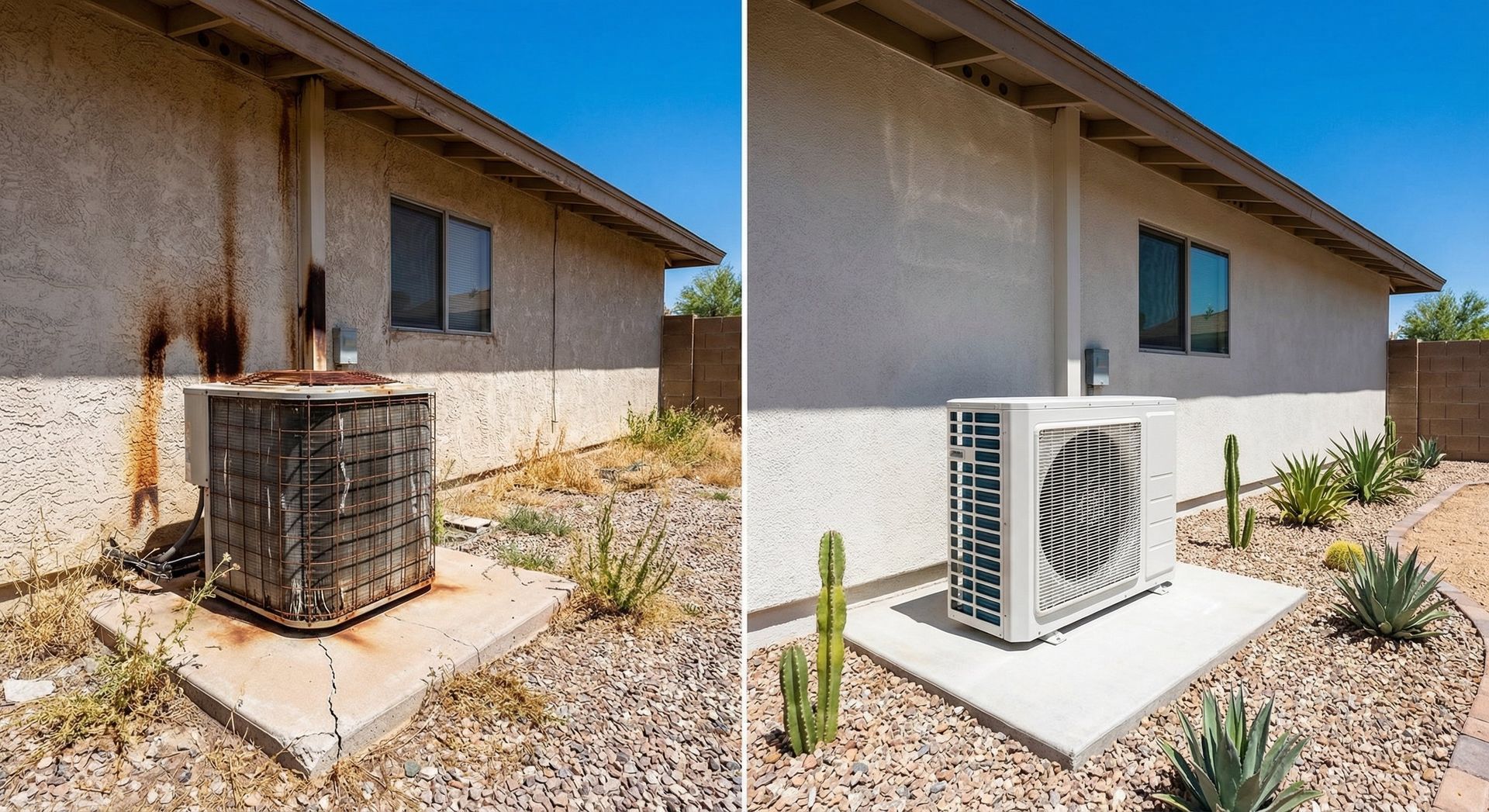
If your air conditioner is 10, 15 or even 20 years old, you may be wondering if you should replace it before putting your Arizona home on the market. We get this question from sellers all the time. Many homeowners have also been told by an HVAC technician that an air conditioner is only expected to last about 10 years. That can make a seller nervous about putting a home on the market with an older unit. But here's what we see in real estate: An older AC does not automatically need to be replaced before you sell your home. In fact, we regularly sell East Valley homes with air conditioners that are 15 or even 20 years old and still working. Age Isn't the Same Thing as Condition There is no magic birthday when an AC unit suddenly becomes bad. The U.S. Department of Energy uses an average residential central air conditioner life of about 18 years in its energy-cost calculations, and DOE consumer information gives central AC systems a general lifespan of 15–20 years. Some systems won't make it that long. Others will keep cooling well beyond it. That is why we don't recommend replacing an AC simply because it has reached a certain age. What matters more is what is happening with your system. Is it cooling the house properly? Has it been maintained? Is it making unusual noises? Does it have known problems? Is it constantly requiring repairs? Those questions tell us much more than simply looking at the year on the unit. When Would We Recommend Replacing the AC Before Selling? There are certainly situations where replacement makes sense. If the system isn't working and the cost to repair it is high enough that you're approaching the cost of replacement, then replacing it may be the better financial decision. We may also have a different conversation if the system has serious known problems or cannot adequately cool the home. But if the AC has been serviced, is operating properly and is cooling the house? Our typical advice is don't automatically replace it just because it's old. Why Spend Thousands Before You Know It's a Problem? This is the part sellers sometimes overlook. We don't know what your eventual buyer will think about the AC. One buyer may be concerned that the unit is 18 years old. Another may decide that the home's location, floor plan, backyard or price is much more important and simply budget for replacing the AC sometime in the future. Maybe the buyer works in the HVAC industry and isn't concerned about it at all. Maybe they know that particular brand has a reputation for longevity. Another buyer may be perfectly comfortable purchasing the home with the existing system if they receive a home warranty. And another might prefer a credit toward a future replacement rather than having the seller choose a new system for them. Every buyer is different. Replacing an operating AC before listing assumes we already know what the future buyer is going to want. We don't. Let the Buyer Inspect the AC In most situations, we prefer to let the buyer perform their inspections. A home inspector will typically operate the HVAC system when conditions allow and note visible concerns. A buyer may also choose to have the system evaluated by an HVAC professional. Then we have actual information to work with. If the buyer has concerns about the system, they can address those concerns as allowed under the purchase contract. At that point, the seller can evaluate the buyer's request and the entire transaction rather than spending thousands of dollars before the home ever reaches the market. What If the Buyer Asks for a New AC? A buyer asking for something does not necessarily mean the seller has to agree to it. Depending on the contract and circumstances, there may be several possible outcomes. The parties might agree to a repair. They could negotiate a credit or other concession. A home warranty might help address the buyer's concern. The seller could agree to replacement. Or the parties may decide to leave the system exactly as it is. The right decision depends on the offer, the inspection findings, the home's price, market conditions and the seller's goals. That's why we would rather deal with an actual buyer's concern than spend money trying to predict one. Should I Have My AC Serviced Before Listing My Arizona Home? This can be a different question. If your system hasn't been serviced recently, having routine maintenance performed before listing may make sense, especially if you have concerns about how it is operating. Keep the invoice and any service records you have. But be careful about confusing routine maintenance with replacing a working system solely because of its age. Those are two very different decisions. What About Arizona's Summer Heat? Obviously, air conditioning matters to Arizona buyers. If someone walks into a house in July and it's 86 degrees inside because the AC isn't cooling properly, we have a problem. But an older unit keeping the home comfortable is a different situation. Our job when preparing a home for sale is to identify where spending money is likely to help the seller and where we may simply be spending money unnecessarily. A functioning older AC often falls into that second category. Don't Replace Something Just Because It's Old One of the biggest mistakes sellers can make before listing is trying to eliminate every possible objection a buyer might have. That can get expensive very quickly. A 20-year-old AC may concern one buyer and barely register with another. So our general philosophy is simple: If the AC is working properly, don't automatically replace it because of its age. Let buyers see the home. Let them conduct their inspections. If the HVAC system becomes an issue, we can deal with the actual concern and determine the best solution at that time. That approach can potentially save a seller thousands of dollars they never needed to spend. Frequently Asked Questions Is a 20-year-old AC too old to sell a house in Arizona? No. We regularly see Arizona homes sell with AC systems approaching or exceeding 20 years old. Age is something a buyer may consider, but an older functioning system does not automatically prevent a home from selling. How long does an air conditioner last in Arizona? There isn't one guaranteed lifespan. Maintenance, installation, usage, equipment quality and other factors all affect longevity. The U.S. Department of Energy uses an 18-year average life for residential central AC in some of its calculations and provides a general 15–20 year lifespan for central AC systems. Will a buyer ask me to replace an old AC? They might, but don't assume they will. Buyers have different priorities and risk tolerances. We prefer to see what the buyer's inspection reveals and whether the buyer actually raises a concern before deciding how a seller should respond. Should I offer the buyer an AC credit upfront? Usually, we would not automatically offer money for a problem the buyer hasn't raised. If the system is functioning, we can market the home accordingly and evaluate any request if one is made. Should I buy a home warranty because my AC is old? A home warranty can sometimes be useful in a transaction, but coverage, exclusions, limits and eligibility vary considerably. It should not be presented as a guarantee that an older AC will simply be replaced if it fails. Do I have to disclose problems I've had with my AC? Arizona sellers have disclosure obligations regarding known material facts, and the Arizona REALTORS® Seller's Property Disclosure Statement specifically asks about heating and cooling systems and known past or present problems. Sellers should answer disclosure questions accurately and provide explanations where appropriate. What if my AC stops working while my home is under contract? That is different from simply having an older system. What happens next will depend on your purchase contract, the timing and the circumstances. Contact your real estate agent promptly before authorizing major work or making assumptions about who is responsible. Thinking About Selling an East Valley Home With an Older AC? Don't assume you need to spend thousands of dollars replacing major components before you put your home on the market. At Rover Realty, we look at the entire property, the condition of the system, competing homes and your likely buyer before recommending where it makes sense to spend money. Sometimes an improvement is worth doing. Sometimes the smartest recommendation we can give a seller is don't spend the money yet. Important: This article provides general real estate information and is not legal, HVAC or contractual advice. Every property and transaction is different. Contract terms may vary or be negotiated by the parties. Sellers should rely on their signed agreement and consult their REALTOR®, attorney and appropriately licensed HVAC professional regarding their specific situation.
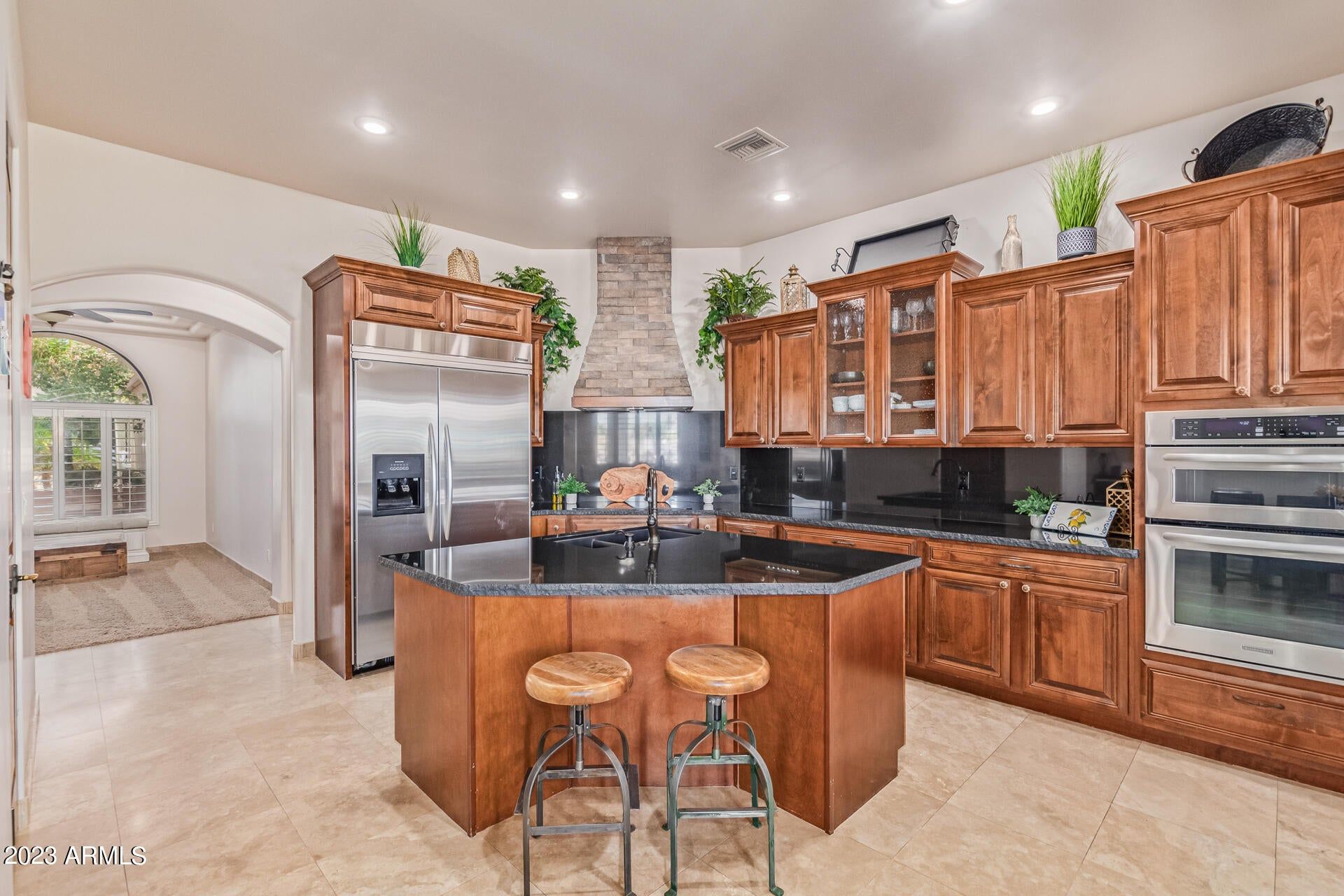
One of the questions we’ve been getting a lot lately from sellers is: Should we empty the entire house before we list it, or should we leave some furniture behind? The answer is: it depends on the house. Some homes photograph beautifully empty. Others really need furniture to help buyers understand the size or layout of a room. And sometimes the best answer is somewhere in between—emptying most of the home while strategically leaving a few important pieces. That’s one reason we like to walk through a home well before the seller is ready to list. We aren’t just looking at what needs to be cleaned, repaired or packed. We’re thinking about how buyers are going to experience the home, starting with what they see online. Is It Okay to Sell a Completely Empty House? Absolutely. If you need or want to move completely out before your home goes on the market, we can market a vacant home. Furniture is also usually less important in secondary bedrooms and other spaces where the size and purpose of the room are easy to understand. Buyers generally don't need to see a bed in every bedroom to know what the room is used for. Technology has also given buyers new ways to visualize vacant spaces. As Zillow Pro agents, we have access to enhanced Zillow marketing features that allow online buyers to digitally explore different furniture styles in certain listing photos. When buyers interact with a listing, it can also help fuel Zillow's retargeting efforts and keep the property in front of interested shoppers. But just because we can market a completely empty house doesn't mean we always should. Sometimes real furniture does a much better job. When We Strongly Recommend Leaving Furniture Furniture becomes more important when a room is difficult to understand without it. We've probably all walked into an empty bedroom and thought: There is no way a king-size bed fits in here. Then you see the same room furnished and realize not only does the king-size bed fit, but there's also room for a dresser, chair or even more furniture. Empty rooms can be surprisingly difficult to judge for scale. The same thing can happen with a large great room, an unusual dining area, an awkward corner or a floor plan where buyers may not immediately understand how furniture should be arranged. In those situations, leaving the right pieces behind can answer an important question without saying a word. It shows buyers how the space actually works. Remember: Your First Showing Is Probably Online Years ago, sellers primarily worried about how their home looked when a buyer walked through the front door. Today, we have to think about what happens long before that. Your first showing may happen while a buyer is sitting on their couch scrolling through homes on a phone or laptop. They are looking at photos, studying the floor plan, watching video and deciding whether your house deserves an in-person visit. If a room looks confusing or smaller than it really is, some buyers may never make it to the showing. That's why our staging decisions aren't simply about decorating a house. We're thinking about how the home will translate through a screen.