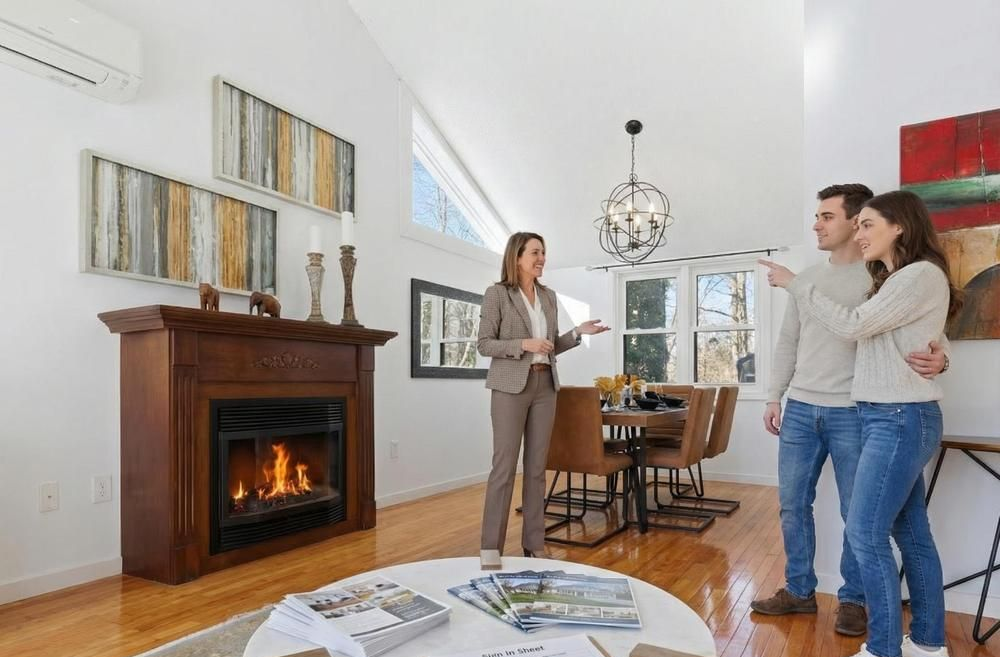
The short answer is no. And there are several very good reasons why. One of the questions we get asked surprisingly often at Rover Realty is whether sellers should stay home when potential buyers come to see their house. We understand why sellers ask. After all, it's their home. They know everything about it, and they may think being there to answer questions or point out special features will help sell it. Unfortunately, the opposite is usually true. In fact, having sellers present during showings can make buyers uncomfortable, limit their interest in the home, and even hurt the seller's negotiating position. Here's why we strongly recommend that sellers leave during showings. 1. Buyers Need to Picture Themselves Living There When buyers walk into a home, they're not just looking at the number of bedrooms or the size of the kitchen. They're trying to imagine what their life might look like if they lived there. Where would their furniture go? Would their kids enjoy the backyard? Could they see themselves cooking dinner in that kitchen? That's much harder to do when the current owners are standing nearby. Buyers may feel like guests in someone else's home rather than potential owners of their future home. Our goal is to help buyers mentally move into your house before they ever write an offer. Having the sellers there makes that much more difficult. 2. Buyers Won't Speak Freely Imagine walking through a home and noticing that the kitchen needs updating or that the primary bedroom seems smaller than expected. Would you feel comfortable saying that out loud if the homeowner was standing right next to you? Probably not. Buyers need to feel comfortable discussing what they like and don't like with their real estate agent. Those conversations are an important part of the buying process. Sometimes an objection can be addressed right there during the showing. For example, a buyer might say the living room looks too small for their furniture. Their agent could point out another furniture arrangement that might work better. But if the seller is standing there, the buyer may simply stay quiet and leave without giving the home serious consideration. 3. Sellers Often Share Too Much Information This is one of our biggest concerns. Sellers generally have good intentions. They want to tell buyers about the upgrades they've made, the wonderful neighbors, or why they love the neighborhood. But conversations can quickly move into areas that sellers really shouldn't be discussing with potential buyers. For example, a seller might casually mention: "We've already bought another house and really need to get this one sold." "We're moving out of state next month." "We've had a few offers, but nothing has worked out." "We're tired of keeping the house clean for showings." "We're hoping to sell quickly so we don't have two mortgage payments." To a seller, these might seem like harmless comments. To a buyer, they could sound like negotiating opportunities. Suddenly, a buyer may believe the seller is desperate to move or willing to accept a lower price or less favorable terms. Even if that isn't true, the buyer may use that information when deciding what to offer. We've worked hard to position your home in the market. The last thing we want is an innocent conversation weakening your negotiating position. 4. Buyers Can Take Comments Out of Context Sometimes sellers share information that isn't necessarily bad but can be misunderstood. Maybe a seller mentions that they replaced the air conditioner because the old one kept breaking down. The seller thinks they're highlighting a valuable upgrade. The buyer might start wondering whether the home has had other maintenance problems. Or perhaps the seller mentions that the neighbors recently installed a pool and there was a lot of construction noise. The buyer may walk away thinking the neighborhood is noisy. A simple comment can create concerns that weren't there before. This is why we prefer that questions about the home come through the real estate agents. We can provide accurate information, explain the details, and make sure buyers receive the proper context. 5. Following Buyers Around Isn't Helpful We know sellers are proud of their homes, and they should be. But buyers generally don't want a guided tour from the homeowner. They want to explore the rooms, open closets, look at storage space, and talk privately with their agent. When sellers follow buyers around pointing out every improvement, it can feel more like a sales pitch than a home showing. And nobody enjoys feeling pressured when they're making one of the largest purchases of their life. Your home should have the opportunity to speak for itself. What If I Have Pets or Work From Home? We understand that leaving isn't always convenient. Maybe you work from home, have small children, or need to make arrangements for pets. That's why we work with our sellers to establish showing instructions that are reasonable for their situation. Sometimes that means requiring advance notice, setting specific showing hours, or making arrangements for pets. We would much rather help you create a manageable showing schedule than have you remain in the home during appointments. And if leaving truly isn't possible for a particular showing, we can discuss the best way to handle it. What About Open Houses? The same advice applies. Sellers should not stay home during an open house. Buyers are more likely to ask questions and explore when they don't feel the homeowner is watching them. Let your real estate agent handle the conversations, highlight the home's features, and gather feedback. That's part of what you've hired us to do. Frequently Asked Questions Can I stay in the backyard or garage during a showing? We don't recommend it. Buyers often want to explore the backyard, garage, and outdoor spaces too. It's best to leave the entire property when possible. What if buyers have questions that only I can answer? Their agent can contact us, and we'll reach out to you for the information. You don't need to be present to answer questions. Should I leave information about upgrades I've made? Absolutely. We encourage sellers to share a list of improvements, upgrades, and special features with us before the home goes on the market. We can then make that information available to buyers without requiring you to give a personal tour. How long should I stay away during a showing? Plan to be gone for the entire scheduled appointment. Some buyers take longer than others, so allow a little extra time when possible. What if I have security cameras in my home? Arizona sellers should be careful about recording or listening to private conversations during showings. Audio recording can raise legal and privacy concerns. Discuss your camera setup with your agent before showings begin. Our Advice? Give Buyers Some Space. At Rover Realty, our job is to help you sell your home for the best possible price and terms. Sometimes that means making recommendations that aren't particularly convenient, like asking you to pack up the dog, grab your keys, and head out for a little while. But there's a reason behind that advice. We want buyers focused on falling in love with your home, not feeling uncomfortable around the current owners or looking for clues about how little you might be willing to accept. If you're preparing to sell your home in Mesa, Gilbert, Chandler, Queen Creek, or the surrounding East Valley, we'd be happy to help you develop a showing plan that works for your household while giving buyers the best possible experience. Contact Rover Realty to schedule a Discovery Call and let's talk about getting your home ready to sell.

Success leaves clues. And when you're selling one of your largest financial assets, those clues matter. Choosing a Realtor to sell your home is a big decision. There are thousands of licensed real estate agents in Arizona, and while we all have access to many of the same tools, we certainly don't all provide the same level of service. I'm a little biased because I've spent years building my own real estate business, but I also believe sellers deserve to know what to look for before hiring someone. And no, the answer isn't necessarily the agent with the biggest billboard, the fanciest business card, or the most recognizable brokerage name. Here are 10 things I would personally look for if I were hiring a Realtor to sell my home. 1. Do They Have an Online Presence? This is one of the first things I would check. If you're hiring someone to market your home, shouldn't they already know how to market themselves? Google their name. Look at their website. Check their social media accounts. Are they actively creating content? Are they educating buyers and sellers? Do they have videos, property tours, or examples of homes they've marketed? I'm not suggesting your Realtor needs to be a social media celebrity. Far from it. But today's buyers are looking for homes online, and your agent should understand how to reach them. Ask to see examples of how they've marketed other homes. Not just the photos, but the entire marketing plan. What did they do beyond putting the home in the MLS and waiting for the phone to ring? 2. What Do Their Reviews Say? I won't even buy a $20 sweater on Amazon without reading the reviews. So why would I hire someone to sell a $500,000 home without doing the same homework? Look at their Google reviews. Do they have any? Are they recent? What are people actually saying? Pay attention to the details. Do clients mention communication, problem-solving, negotiating, or going above and beyond? Also, look for reviews from people who had situations similar to yours. Selling an inherited home, downsizing after 30 years, or selling a home that needs repairs can require very different skills. A five-star rating is great, but the stories behind those stars tell you much more. 3. Do They Run Their Business Professionally? This one might sound a little silly, but look at their email address. Is it a professional business email connected to their company, or something like SallySellsArizona@gmail.com ? Now, there's nothing automatically wrong or insecure about using Gmail. But a professional business email can be one indication that an agent has invested in their business. More importantly, ask how they protect your personal information. During a real estate transaction, we exchange contracts, financial information, identification documents, and sometimes very sensitive personal details. You want someone who takes that responsibility seriously. Professionalism isn't just how someone dresses or what car they drive. It's also how they operate behind the scenes. 4. Are They Selling You on Their Brokerage or Their Own Abilities? This is a big one for me. There are some wonderful agents at large national brokerages and some wonderful agents at small independent brokerages. There are also inexperienced and poorly performing agents at both. A recognizable brokerage name doesn't automatically mean the individual agent has a great marketing plan. Ask what that specific agent is going to do to sell your home. Will they personally be involved? Who handles the marketing? Who answers buyer questions? Who negotiates your offers? And perhaps most importantly, can they show you examples of their own work? You're hiring an agent, not a logo. 5. Do They Have Suggestions for Getting Your Home Ready? When an agent walks through your home, they should be doing more than telling you how beautiful everything looks. They should be looking at your home through the eyes of a potential buyer. Are there repairs worth making? Would changing a paint color help? Should furniture be moved or removed? Are there inexpensive improvements that could make a big difference in how your home photographs? Sometimes the best advice is to spend a little money before listing. Other times, it's to save your money because the improvement won't likely bring a return. An experienced agent should help you understand the difference. And they shouldn't be afraid to tell you something you might not want to hear. 6. Do They Have Any Skin in the Game? This is another question I would ask. What is the agent investing in the sale of your home? Professional photography? Video? Digital advertising? Marketing materials? Open houses? What about light staging? At Rover Realty, we often bring in decorative items and make small staging adjustments to help a home show its best. Not every home needs expensive professional staging, and I don't believe every seller should automatically be told to spend thousands of dollars on it. Sometimes a few carefully selected items and a little furniture rearranging can make a tremendous difference. Of course, some properties benefit from full professional staging. The important thing is that your agent helps you evaluate the options instead of simply handing you another bill. Ask what marketing services are included and which ones you'll be expected to pay for separately. You should know that before signing a listing agreement. 7. Do They Have Experience Selling Homes Like Yours? Success leaves clues. Has the agent sold homes in your area? Have they worked in your price range? Do they understand your type of property? Selling a $300,000 condominium is different from selling a $1.5 million custom home on acreage. That doesn't mean an agent must have sold a home on your exact street to do a great job. But they should be able to demonstrate that they understand your market, your competition, and the buyers most likely to purchase your home. Ask about their recent sales. And don't just ask how many homes they've sold. Ask about their strategy, challenges they've encountered, and how they handled them. Experience matters most when something doesn't go according to plan. 8. Do They Have a Plan Beyond Putting Your Home in the MLS? The MLS is an important tool. It allows agents and buyers to find your home through numerous real estate websites. But putting a home in the MLS isn't a complete marketing strategy. Ask whether they hold open houses. Do they create videos? Do they have an established network of agents and potential buyers? How will they promote your property after the initial listing goes live? And what happens if your home doesn't sell in the first few weeks? Will they simply suggest a price reduction, or will they review the showing activity, buyer feedback, competing listings, and market changes before recommending the next step? A good agent should have a plan for launching your home and another plan for adjusting when needed. 9. Will They Tell You the Truth About Pricing? This might be the most important question of all. It's easy for an agent to tell you your home is worth more than the other agents suggested. After all, who doesn't want to hear their house is worth an extra $30,000? But an inflated listing price doesn't put more money in your pocket. In fact, it can do just the opposite. I believe an agent should walk through your home, review the comparable sales, evaluate the current competition, and explain how they arrived at their recommended price. They should also be willing to explain what could happen if you decide to list above that recommendation. You don't need someone who agrees with everything you say. You need someone who will give you the information necessary to make a smart decision. 10. How Will They Communicate With You? This is something sellers often don't think to ask until they're already frustrated. How often will your agent update you? Will you hear from them weekly, or only when there's an offer? Will they share feedback from showings? And when you have a question, who will you actually be talking to? Some agents have large teams, and you may meet with one person during the listing appointment but spend the rest of the transaction communicating with someone else. There's nothing necessarily wrong with having a team. In fact, having good support can be a tremendous benefit. But you should understand who will be handling the different parts of your sale. I also think it's important to discuss how you prefer to communicate. Some sellers love text messages, while others prefer phone calls or emails. And what happens when there isn't much activity? Personally, I think that's when communication becomes even more important. You shouldn't have to chase down your Realtor to find out what's happening with your home. Ask your agent what their communication plan looks like before you hire them. Selling a home can be stressful enough without wondering whether your agent is actually working on getting it sold. The Bottom Line: Interview the Agent, Not Just the Brokerage Selling your home is too important to hire someone simply because they're a friend of a friend, have a familiar brokerage logo, or promise the highest sales price. Ask questions. Look at their work. Read their reviews. Find out what they're willing to invest in your sale. And pay attention to whether they're asking good questions about your goals, timeline, and concerns. At Rover Realty, we believe our work should speak for itself. We're happy to share our marketing examples, explain our process, and show sellers exactly what they can expect when working with us. Because when it comes to selling your home, success leaves clues. If you're considering selling a home in Mesa, Gilbert, Chandler, Queen Creek, or the surrounding East Valley, we'd welcome the opportunity to sit down with you and discuss a plan that makes sense for your property. Frequently Asked Questions About Choosing a Realtor Should I interview more than one Realtor before selling my home? Absolutely. Interviewing multiple agents can help you compare their experience, marketing plans, communication styles, and pricing recommendations. Should I choose the Realtor who suggests the highest listing price? Not necessarily. Ask each agent to explain the comparable sales and current competition supporting their price recommendation. A higher suggested price doesn't guarantee a higher sale price. Does it matter which brokerage my Realtor works for? The brokerage provides support, tools, and oversight, but the individual agent's experience, work ethic, and marketing strategy are often more important than the name on the sign. Should my Realtor pay for professional photography and marketing? Ask what is included in the listing agreement. Many agents include professional photography and certain marketing services, while others charge separately. Know what you're receiving before you commit. Do Realtors need experience in my exact neighborhood? Not necessarily. An agent who understands your local market, property type, and price range can be an excellent choice even if they haven't sold a home on your particular street. Are open houses important when selling a home? Open houses can be one useful part of a marketing plan, but they're not a guarantee of finding a buyer. Ask your agent when they recommend open houses and how they fit into the overall strategy. How often should my Realtor communicate with me while my home is listed? There isn't one schedule that works for every seller, but you should agree on expectations before listing. Weekly updates are a reasonable starting point, even when there are no showings or offers. Your agent should also keep you informed about buyer feedback, changes in the market, and anything that could affect your sale.

Does a Realtor ever really get a day off? That's a great question, and if you've been in real estate long enough, you probably already know the answer. I've actually sold a house on Christmas Day. Not once, but twice. So, I know firsthand that real estate doesn't always take a holiday just because the calendar says it should. But this Thanksgiving, we're going to give it our best shot. Taking Time for What Matters Most At Rover Realty, we spend our days helping families buy and sell homes. We get to be part of some pretty big life changes, and we love what we do. But Thanksgiving is a wonderful reminder of why we work so hard in the first place. It's about the people we love, the memories we make, and the time we get to spend together. Our goal this Thanksgiving is to step away from the busy schedules, appointments, phone calls, and paperwork to enjoy some precious time with our families. And we sincerely hope our buyers, sellers, clients, and friends get the opportunity to do the same. Of Course, We're Still Realtors Now, before anyone gets too excited about us completely unplugging, let's be realistic. Our laptops won't be far away, and our phones will still be nearby. Because if there's one thing I've learned over the years, it's that real estate has a funny way of needing your attention at the most unexpected times. An important contract deadline doesn't disappear because there's a turkey in the oven. And sometimes a buyer finds their dream home when everyone else is enjoying pumpkin pie. If something truly pressing comes up, we'll be here to help. But if it can wait until Friday, we're probably going to let it wait. And we hope you'll understand. A Little Thanksgiving Gratitude As we head into the holiday, I want to take a moment to say how thankful we are for the people who make Rover Realty what it is. To our clients who trust us with some of life's biggest decisions, our business partners who help us take such good care of those clients, and our friends and family who continue to support us, thank you. We never take that trust or support for granted. Whether you're hosting a house full of family, traveling to see loved ones, or enjoying a quiet holiday at home, we hope your Thanksgiving is filled with good food, great company, and a little time to relax. Happy Thanksgiving from all of us at Rover Realty. And here's hoping the only thing we have to negotiate on Thursday is who gets the last piece of pie. Frequently Asked Questions Is Rover Realty closed on Thanksgiving Day? Yes, we're planning to take Thanksgiving Day off to spend time with our families. However, we'll remain available for truly urgent real estate matters. What happens if I have a contract deadline on Thanksgiving? We'll review important deadlines ahead of the holiday and coordinate anything that needs attention. Holiday deadlines can depend on the contract terms, so we'll make sure our clients understand their specific timelines. Can I still contact Rover Realty over Thanksgiving weekend? Absolutely. You can still reach out. We'll respond to urgent matters as needed and follow up on routine questions as soon as possible. Can I buy or sell a home during the holidays? Of course. Homes are bought and sold throughout the holiday season. In fact, I've personally sold homes on Christmas Day twice. Real estate doesn't stop for the holidays, but a little planning can help everyone enjoy them.