


Join Rover Realty and Attorney Kimberly Hansen on December 8th for a free estate planning conversation. At Rover Realty, we help people make some of life's biggest decisions. Buying a first home, selling a longtime family home, downsizing, or moving closer to loved ones are all major life changes. But here's something we don't always think about. When life changes, does our paperwork change with it? That's the idea behind our upcoming event, Life On Paper, with Attorney Kimberly Hansen on Tuesday, December 8th. And here's the best part. This event is completely free. We're not selling anything. We simply want to provide an opportunity for our clients and friends to get useful information and ask important questions. Life Changes. Your Paperwork Should Keep Up. Think about how much can change in just a few years. Maybe you've purchased a new home, gotten married, welcomed grandchildren, lost a loved one, or decided it's time to simplify your life. Even moving from one state to another can make a big difference. Arizona's laws may be different from those in the state where you originally created your will, trust, or other estate planning documents. That doesn't necessarily mean your existing documents are no longer valid, but it does mean having them reviewed by an Arizona attorney may be a smart move. And while most people know they should have an estate plan, it's easy to put it off. Even those who already have one may not realize their documents no longer reflect their current wishes. That's why we wanted to create an opportunity for our clients and friends to learn more. Your Home Is Often One of Your Biggest Assets As real estate professionals, we see firsthand how important it is to have your affairs in order. We regularly work with families selling homes held in trusts, handling inherited property, or working through probate after losing a loved one. Sometimes everything is well organized, and the process moves smoothly. Other times, families discover that important paperwork was never updated, property ownership isn't what they thought it was, or they aren't sure who has the legal authority to make decisions. Those situations can create stress, delays, and unexpected expenses during an already difficult time. We believe a little education today can help families ask better questions and prepare for tomorrow. What Is Life On Paper? Life On Paper is a free educational event where we'll be joined by estate planning attorney Kimberly Hansen to discuss the documents that help protect your wishes and guide your loved ones. Some of the questions we'll explore include: What's the difference between a will and a trust? When should you review or update your estate plan? What happens to your home when you pass away? Does moving to Arizona mean you should update your documents? Who can make decisions if you're unable to? How can you make things easier for your family? Whether you've already created an estate plan or haven't started, this is an opportunity to learn and ask questions. There is no cost to attend, no sales pitch, and no obligation to purchase any services. Our goal is simply to help you become better informed. Because Our Relationship Doesn't End at Closing At Rover Realty, we believe helping people goes beyond buying and selling homes. Of course, we want to be there when you're ready for your next move. But we also want to be a resource for the many decisions that come before and after it. That means connecting our clients and friends with knowledgeable professionals, sharing useful information, and creating opportunities to plan ahead. We're not attorneys, and we don't give legal advice. But we know the value of having the right people available when important questions come up. That's why we're excited to host Life On Paper with Attorney Kimberly Hansen. Join Us December 8th! We would love to have you join us for this special conversation. Event: Life On Paper Guest Speaker: Attorney Kimberly Hansen Date: Tuesday, December 8, 2026 Cost: FREE Hosted by: Rover Realty Space is limited, so we encourage you to reserve your seat early. Because the life you're living today should match the plans you've made on paper. We look forward to seeing you! Angela Tauscher Broker/Owner, Rover Realty Real Agents Helping Real People

This is one of those real estate questions where the answer surprises a lot of sellers. Should I get my house appraised before I put it on the market? In most cases, I would say no. There are exceptions. If you own a very unusual property, a luxury home with few comparable sales, or a property that's particularly difficult to value, a pre-listing appraisal may be worth discussing. But for a typical home, I generally don't recommend spending the money on an appraisal just to determine the listing price. Here's why. A Pre-Listing Appraisal Doesn't Set the Price One of the biggest misunderstandings is that an appraisal gives us the "official" value of a home. It doesn't quite work that way. An appraisal is an opinion of value prepared for a specific purpose at a specific point in time. If you pay for an appraisal before listing your home, the buyer's mortgage lender will not use that appraisal in place of its own lender-ordered appraisal. And here's something that surprises many sellers. In my conversations with appraisers over the years, they've told me they won't even look at a seller's prior appraisal. They want to complete their own independent evaluation without being influenced by someone else's opinion of value. So you could spend hundreds of dollars getting your home appraised before listing, only to have the buyer pay for an entirely new appraisal after you accept an offer. That's one reason I generally don't recommend that expense for a typical home sale. Then How Do We Determine the Listing Price? This is where a good real estate agent earns their keep. When I'm helping a seller determine a listing price, I'm not simply pulling three nearby sales and averaging the price per square foot. I'm looking at the home the way I expect buyers to see it. What has actually sold? What's currently for sale? What's sitting on the market? What went under contract quickly? What didn't sell at all? How does your lot compare? Have you remodeled? Do you have owned solar? Does the home back to a busy road? Are you competing against new construction offering below-market interest rates and closing-cost incentives? Is your floor plan desirable? What condition is the home in? And most importantly: What are buyers actually paying for homes like yours right now? That's a different question from simply asking what a home appraises for. I've Seen Pre-Listing Appraisals Miss the Mark After selling hundreds of homes, I've seen something interesting more than once. A homeowner obtains an appraisal before selling, and the value comes in lower than I believe the market will support. Then we list the home. A real buyer makes an offer at a higher price. The buyer's lender orders an appraisal. And that appraisal comes in at or very close to the contract price. That may sound strange, but there is an important difference between the two situations. With a pre-listing appraisal, there isn't a buyer yet. With a purchase appraisal, there is now an actual contract showing what a ready, willing and able buyer agreed to pay for that particular property in the current market. The contract price doesn't automatically determine the appraised value. The appraiser still has to independently analyze the property and comparable sales. But that contract is another piece of information that didn't exist when the home was appraised before going on the market. An Appraisal and Market Value Aren't Exactly the Same Thing This distinction matters. An appraiser is developing an opinion of value using appraisal standards and available market data. A real estate agent should be helping you determine how to position the property in the current market. Those two jobs overlap, but they aren't identical. There are features buyers may pay more for that can be difficult to measure using comparable sales alone. Maybe your home has the best lot in the neighborhood. Maybe buyers love your floor plan. Maybe there are very few homes available in your price range. Maybe your backyard is exactly what buyers have been struggling to find. Or maybe the opposite is true. You could have expensive upgrades that you love but that buyers aren't willing to pay extra for. That's why pricing a home requires more than plugging numbers into a formula. When Would I Consider Getting an Appraisal Before Listing? There are situations where I may suggest that a seller talk with an appraiser or another appropriate professional before we list. A highly unique property is one example. A luxury home with very few comparable sales could be another. There may also be situations involving estates, trusts, divorce, tax matters or other legal or financial needs where an appraisal is being obtained for a purpose completely separate from setting the listing price. In those situations, the seller should follow the advice of their attorney, CPA or other appropriate professional about the type of valuation they need. But if you're simply wondering: "What should I list my house for?" An appraisal usually isn't my first recommendation. What I Would Do Instead Before spending money on an appraisal, I would start with a detailed market analysis from an experienced local real estate agent. And I mean detailed . I want to see the home. I want to understand the lot, condition, upgrades, floor plan and competition. I want to know what's happening in that specific neighborhood and price range. Then I want to look at the property through two different sets of eyes: What will a buyer think it's worth? And: Can we support that price when the buyer's appraiser eventually arrives? Those are both important. The goal isn't to find the highest number someone is willing to put on paper. The goal is to determine a price that gives the seller the best chance of actually reaching the closing table with the strongest possible outcome. Frequently Asked Questions Do I need an appraisal before selling my house? Usually, no. Most sellers do not need to obtain their own appraisal before listing a typical residential property. Can I give my appraisal to the buyer's lender? A seller's pre-listing appraisal will not replace the appraisal ordered by the buyer's mortgage lender when one is required. The lender has its own appraisal requirements, and the new appraiser must develop an independent opinion of value. Is an appraisal the same as a Realtor's market analysis? No. An appraisal is an appraiser's opinion of value prepared for a specific purpose. A real estate market analysis helps determine how a property may compete and sell in the current market. What if my appraisal says my house is worth less than my Realtor thinks? That's when I would want to dig into the data. Neither number should simply be accepted because someone put it on a piece of paper. Look at the comparable properties, adjustments, current competition and what buyers are actually doing in your market. Are there times when a pre-listing appraisal makes sense? Yes. Very unique properties, certain luxury homes and properties involved in some legal, estate, trust or financial matters may benefit from or require an appraisal. The reason for the appraisal matters. Will the buyer still need another appraisal? If the buyer is financing the purchase and the lender requires an appraisal, yes. The lender will order a new appraisal according to its own process. Some loans qualify for an appraisal waiver, and cash buyers generally aren't required to obtain an appraisal. Thinking About Selling Your Home in the Phoenix East Valley? Before you spend money on an appraisal, let's take a look at what your home is really competing against. At Rover Realty, we don't believe in guessing at a listing price or telling sellers whatever number they want to hear. We study the market, evaluate your home's features, look at the competition and build a pricing and marketing plan designed to attract qualified buyers. Whether you're selling in Mesa, Gilbert, Queen Creek, Chandler, Apache Junction or another community across the Valley, we'd be happy to help you understand your options. Rover Realty | Real agents helping real people.
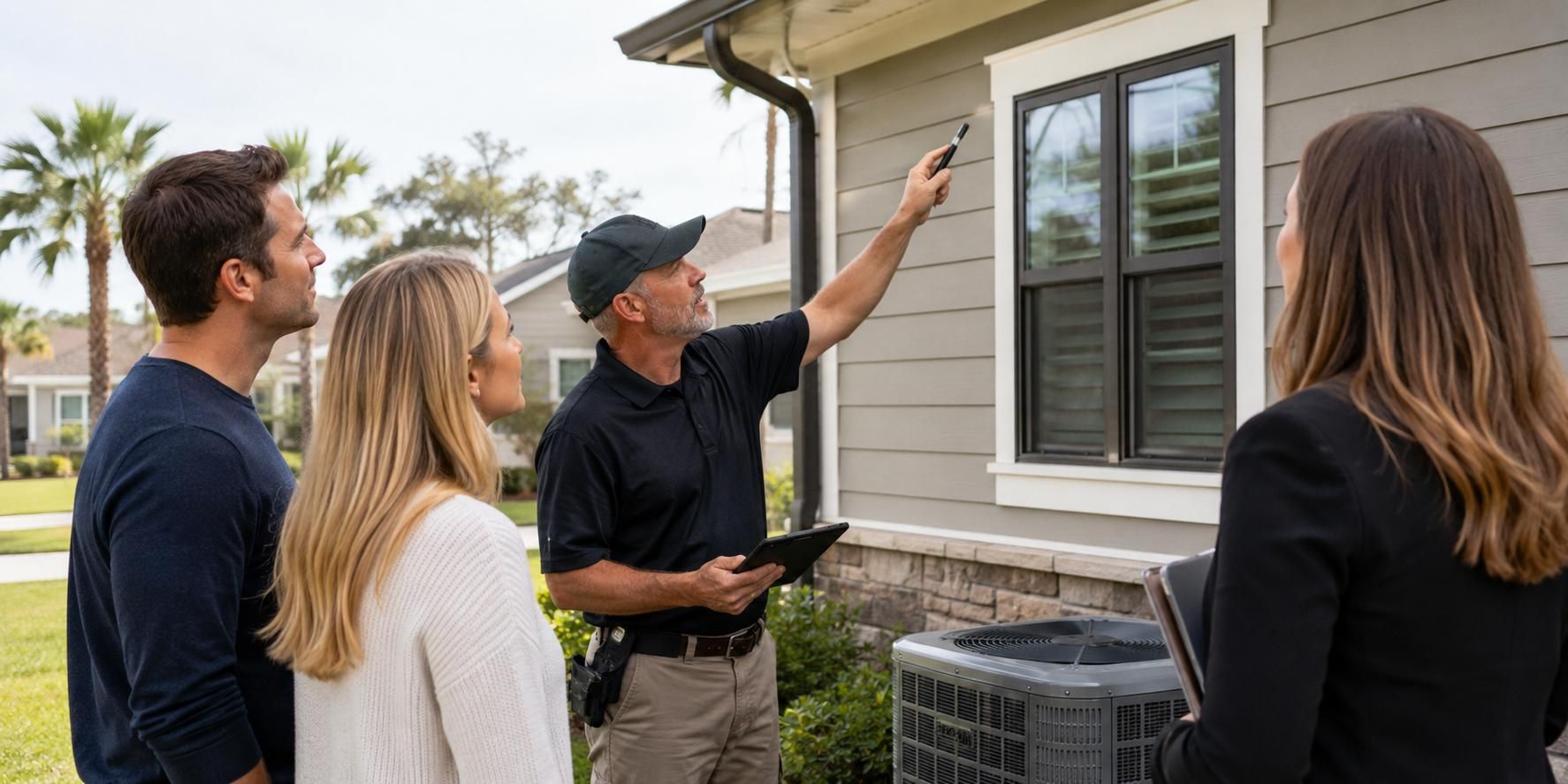
A client recently asked me a question that caught me off guard. One of his coworkers was buying a home and asked if he knew a home inspector and an appraiser . There are actually two very different questions hiding in there. First, why didn't his buyer's agent have home inspectors for him to consider? Second, buyers generally don't get to choose their appraiser at all. Let's start with the home inspection. Who Chooses the Home Inspector? The buyer does. As a real estate agent, I don't choose the inspector for my client. But I do think part of my job is making sure my buyers aren't left scrambling to Google "home inspector near me" after they are already under contract. I want my buyers to have options. Over the years, I've worked with many inspectors. That gives me the opportunity to see more than whether someone can complete an inspection. I get to see how they inspect and how they communicate their findings to the buyer. Those two things matter. Not Every Home Inspection Experience Is the Same A home inspector has an important job. Buyers need to know what they are purchasing, what may need attention and when another qualified professional should take a closer look. But how that information is presented matters too. I've seen inspectors who are excellent at explaining a concern, putting it into perspective and recommending further evaluation when something falls outside their area of expertise. I've also seen the opposite. I've seen inspectors make statements about issues outside their field of expertise. I've heard inspectors wander into legal or real estate advice that wasn't theirs to give. I've seen inspectors barely look into an attic access instead of actually inspecting the accessible attic space. And I've watched a relatively ordinary home maintenance item turn into something that sounded terrifying to a first-time buyer. That doesn't help the buyer make a better decision. I Don't Want an Inspector to Sugarcoat Anything This is important. I am not looking for inspectors who minimize problems to help keep a transaction together. Quite the opposite. If there is a major problem with the roof, electrical system, plumbing, structure or anything else they are qualified to inspect, I want my buyer to know about it. The inspector works for the buyer — not me. What I want is an inspector who can explain: Here's what I found. Here's why it matters. Here's how serious it appears to be. And here's when you should bring in a specialist for more information. There's a big difference between educating a buyer and frightening one. Why We Vet the Inspectors We Refer When we provide inspectors for a buyer to consider, we aren't simply handing them the first three names we found online. We want to know who we're sending into our client's future home. We look for inspectors who carry the appropriate licensing, bonding and insurance required for their work. Just as important, we pay attention to how thorough they are and how they communicate with clients. Do they actually inspect accessible areas? Do they stay within their scope? Do they explain concerns clearly? Do they recommend the appropriate specialist when something needs further evaluation? Do they give the buyer useful information without turning every maintenance item into a crisis? Those things matter to me because the inspection period is one of the most important parts of buying a home. The Buyer Still Gets to Choose Providing referrals doesn't mean the buyer has to use one of them. Buyers are free to research inspectors, read reviews and select someone else. My job is to make sure they have good information and good options. In fact, throughout a real estate transaction, buyers may need several different professionals depending on the property — home inspectors, roofers, HVAC companies, electricians, plumbers, pool inspectors, septic professionals and others. An experienced agent should be prepared for that. You shouldn't have to build your entire real estate team from scratch after you're already under contract. What About the Appraiser? That's where this client's question gets even more interesting. The coworker was also looking for an appraiser . That's a completely different process. If you're obtaining a mortgage, you generally don't get to call an appraiser you like and hire that person to appraise the home for your loan. There are independence rules surrounding the appraisal process, and the lender handles ordering the appraisal through its required process. And there's another question buyers frequently don't realize they should ask: When should the appraisal be ordered? In many transactions, I prefer for my buyers to get through their inspection period before spending money on the appraisal when the timing of the contract and loan allows us to do so. There's a very practical reason for that. If we discover something during inspections that causes the buyer to cancel the contract within their contractual rights, I don't want them to have already spent hundreds of dollars on an appraisal they no longer need. That's an entirely different conversation — and one worth having before you buy a home. We'll tackle that one next. FAQs Can my Realtor choose my home inspector? The buyer chooses the inspector. Your agent can provide inspectors for you to consider, but you can research and select your own as well. Why would a Realtor recommend more than one inspector? Providing several options allows the buyer to compare availability, pricing, services and reviews while still benefiting from the agent's experience working with inspectors during past transactions. Should I automatically use the cheapest home inspector? Price matters, but it shouldn't be the only consideration. You're paying someone to evaluate one of the largest purchases you'll probably ever make. Experience, thoroughness, communication and the services included in the inspection can be just as important. What if the home inspector finds something outside their expertise? Depending on the issue, the inspector may recommend further evaluation by an appropriate specialist, such as a roofer, electrician, plumber, HVAC contractor or structural professional. Do I choose the appraiser when buying a home? Generally, not when an appraisal is being completed for a mortgage. The lender orders the appraisal through a process designed to maintain appraiser independence. Is a home inspection the same thing as an appraisal? No. A home inspector evaluates the home's condition and systems. An appraiser develops an opinion of the property's value for the lender. They serve very different purposes. Rover Realty Real agents helping real people throughout Mesa, Gilbert, Queen Creek, Chandler, Apache Junction and communities across the Phoenix East Valley.