


Buying your first home is exciting, but it can also feel a little overwhelming. Where do you start? Do you call a Realtor? Talk to a lender? Start looking at houses online? We recently met with a first-time buyer who asked us a great question: "What does the process of buying a house actually look like?" The good news is that he had already taken one of the most important steps. He met with a lender and got his finances in order. From there, we sat down for a buyer consultation to walk through the process, talk about his timeline, and figure out what kind of home would be the best fit. If you're thinking about buying a home in Arizona, here's what that process typically looks like. Step 1: Talk to a Lender Before You Start Shopping I know it's tempting to jump online and start looking at homes. After all, that's the fun part. But before you fall in love with a house, you need to know what you can comfortably afford. A lender can help you understand: How much you may qualify to borrow. What your monthly payment could look like. How much money you'll need for a down payment. What loan programs might work best for you. Whether there are any financial items you should address before buying. One thing I always remind buyers is that what you qualify for and what you're comfortable spending may be two different numbers. Just because a lender approves you for a $500,000 home doesn't mean you necessarily want the monthly payment that comes with it. Your comfort level matters. Step 2: Schedule a Buyer Consultation Once you have a good understanding of your finances, it's time for us to sit down and talk. This isn't a sales pitch. It's a chance for us to explain the buying process and learn what you're hoping to accomplish. During our recent buyer consultation, one of the first things we discussed was the buyer's current lease. Why? Because timing matters. If your lease expires in four months, we don't necessarily want you moving into a new home next week and paying for two places at once. On the other hand, waiting until your lease is almost over to begin the process could leave you scrambling. We walk through a typical Arizona home purchase timeline, including how long it may take to find a home, negotiate an offer, complete inspections, obtain financing, and close. Many financed purchases take approximately 30 to 45 days to close once you're under contract, although that can vary. And remember, that's after you've found the right house. Our goal is to work backward from your ideal move-in date and build a plan that makes sense. Step 3: Understand the Costs of Buying a Home Another big part of our buyer consultation is talking about money. Not just the down payment. There are other expenses that buyers should be prepared for, including: Earnest money: A deposit made after your offer is accepted that is typically credited toward your purchase at closing. Home inspection: Money paid to have the property inspected so you better understand its condition. Appraisal: A lender may require an appraisal to help confirm the home's value. Closing costs: Expenses related to your loan, title, escrow, and other services. Moving expenses: Don't forget the actual cost of getting into your new home. The amount you'll need depends on your loan, the home you're purchasing, and the terms we negotiate. Sometimes we can negotiate for the seller to contribute toward certain closing costs, too. We want you to understand these expenses before you're under contract, not discover them when you're already committed to buying a home. Step 4: Figure Out What You're Looking For Now we get to talk about the fun stuff. What does your next home need to have? During our buyer consultation, we discuss things like: How many bedrooms and bathrooms do you need? Do you want a single-story or two-story home? Is a pool on your wish list? Are you comfortable living in an HOA community, or would you prefer no HOA? Do you need a large yard, RV gate, or three-car garage? What cities or neighborhoods interest you? How important is your commute? We also talk about the difference between your must-haves and nice-to-haves. For example, if you absolutely need four bedrooms, that's probably not something you want to compromise on. But if you would love a pool and the perfect home doesn't have one, maybe that's something worth reconsidering. The goal is to narrow down what matters most so we're not spending every weekend looking at houses that were never going to work for you. Step 5: Start Looking at Homes Once we understand your budget, timeline, and wish list, we can start narrowing down your options. We'll identify homes that appear to be a good fit and review them together. Then it's time to see some in person. And here's something I tell buyers all the time: Pictures don't tell the whole story. A house can look gorgeous online and feel completely different when you walk through the front door. Maybe the bedrooms are smaller than expected, the backyard backs to a busy road, or the floor plan just doesn't work for your family. The opposite can also happen. Sometimes a home that doesn't photograph particularly well turns out to be a great option. Seeing homes in person helps us fine-tune your search even further. Step 6: Find the Right Home and Make an Offer When we find a home you love, we'll talk through what a reasonable offer looks like. That means looking at comparable sales, the condition of the property, how long it's been on the market, and what other homes are competing with it. We'll also discuss important contract terms, including your proposed closing date, inspection period, earnest money, and any seller concessions you may want to request. Once your offer is accepted, we move into the next phase: inspections, appraisal, financing, and preparing for closing. And yes, we'll guide you through those steps, too. You Don't Have to Figure It All Out Before Calling Us One of the biggest misconceptions about buying a house is that you need to have everything figured out before talking to a Realtor. You don't. In fact, that's one of the reasons we offer buyer consultations. Maybe you're ready to purchase next month. Maybe your lease isn't up for another six months. Or maybe you're just trying to figure out whether buying a home is even realistic for you right now. All of those are perfectly good reasons to start the conversation. At Rover Realty, we help buyers throughout Mesa, Gilbert, Chandler, Queen Creek, San Tan Valley, Apache Junction, and the surrounding East Valley communities. Our job isn't just to open doors. It's to help you understand the process, avoid costly surprises, and make a purchase that makes sense for your life and finances. Frequently Asked Questions About Buying a House Should I talk to a lender or Realtor first? Either is fine. We can help connect you with a lender if you haven't met with one yet. Ideally, you'll have a clear picture of your financing before you start touring homes. How far in advance should I start looking if I'm renting? Starting the conversation three to six months before your lease expires is often helpful. That gives us time to review your finances, understand your options, and plan around your move. Do I need 20% down to buy a house? No. Many loan programs allow much smaller down payments, and some qualified buyers may be eligible for zero-down options. Your lender can explain which programs fit your situation. How long does it take to buy a house in Arizona? Once you're under contract, many purchases close in approximately 30 to 45 days. Finding the right home can take a few days or several months, depending on your needs and the market. Do I have to pay my Realtor to help me buy a house? Buyer-agent compensation is negotiable and should be discussed before you begin working together. In some transactions, the seller may agree to cover some or all of that cost. We'll explain how it works and what your options are before you sign a buyer representation agreement. Can I look at houses before I'm preapproved? You can certainly research homes online. However, getting preapproved before scheduling showings helps ensure you're looking at homes that fit your financing and budget. Ready to Start the Conversation? Whether you're ready to buy today or just beginning to think about it, we'd be happy to help you put together a plan. Schedule a Discovery Call with Rover Realty , and let's talk about what buying your next home could look like.

One of the questions we get asked regularly at Rover Realty is whether sellers are required to have working smoke alarms in their homes before selling. The short answer is not necessarily. Arizona does not have a statewide requirement that homeowners install new smoke alarms simply because they are selling an existing home. However, there are a few important exceptions and considerations, especially when it comes to the buyer's financing. Do I Have to Install Smoke Alarms Before Selling My House? In Arizona, selling an existing home does not automatically trigger a requirement to install or replace smoke alarms. This is different from some other states that have specific smoke alarm requirements when a property changes ownership. However, local building codes may have additional requirements, and certain remodeling projects can trigger the need to install or upgrade smoke alarms. At Rover Realty, we always recommend having working smoke alarms in place. Even when something isn't required by law, that doesn't mean it isn't a good idea. What If My Buyer Is Using an FHA or VA Loan? This is where things can get a little more complicated. Buyers using FHA or VA financing may face additional property safety requirements during the appraisal process. If smoke alarms are missing or not functioning, the appraiser may identify them as a safety concern and require the issue to be corrected before the loan can close. That doesn't mean every FHA or VA appraisal automatically requires new smoke alarms. However, sellers should be prepared to address any smoke alarm concerns identified by the appraiser. The last thing we want is a closing delayed over something that could have been resolved with a quick trip to the hardware store. Do Smoke Alarms Have to Be Replaced Every 10 Years? Most smoke alarm manufacturers and fire safety organizations recommend replacing smoke alarms every 10 years. We regularly walk through homes where the smoke alarms are well beyond that recommended replacement age. Sometimes they're 15 or even 20 years old. But here's the important distinction: A recommended replacement age is not the same as a statewide requirement to replace smoke alarms before selling a home in Arizona. Unlike some other states, Arizona does not have a blanket 10-year smoke alarm replacement rule tied specifically to the sale of an existing home. That said, local codes, manufacturer instructions, and specific property circumstances may still require replacement. If you're unsure how old your smoke alarms are, look for the manufacturing date on the back of the unit. And remember, replacing the battery does not reset the age of the smoke alarm itself. Can a Buyer Ask Me to Replace My Smoke Alarms? Absolutely. Even if Arizona law doesn't require smoke alarms to be replaced simply because you're selling, a buyer can still request replacement during the inspection period. Like other inspection requests, this becomes a negotiation between the buyer and seller. A seller may agree to replace them, decline the request, or negotiate another solution. If the buyer's lender requires a correction as a condition of financing, that issue will need to be resolved for that particular loan to move forward. Where Should Smoke Alarms Be Installed? For general home safety, smoke alarms should be installed: Inside each bedroom. Outside sleeping areas, such as in the hallway. On every level of the home. Depending on the home's age, construction, and applicable building codes, additional requirements may apply. We also recommend testing smoke alarms regularly and replacing units that are damaged, malfunctioning, or past their recommended service life. Frequently Asked Questions About Smoke Alarms When Selling a Home in Arizona Can I sell my Arizona home without smoke alarms? Possibly. There is no statewide requirement triggered solely by the resale of an existing home, but local codes, the buyer's financing, and contractual obligations can affect the answer. Will an FHA or VA appraiser check my smoke alarms? An appraiser may identify missing or nonworking smoke alarms as a safety concern. If the lender requires correction, the issue must be addressed before closing with that loan. Do I have to replace smoke alarms that are more than 10 years old? Not simply because you're selling your home in Arizona. However, replacement after 10 years is generally recommended for safety, and other applicable codes may require it. Can a buyer request new smoke alarms during inspections? Yes. Buyers can request that missing, outdated, or nonworking smoke alarms be replaced. Whether the seller agrees is generally negotiable unless another requirement applies. Does replacing the battery make an old smoke alarm good for another 10 years? No. The recommended 10-year replacement period applies to the smoke alarm itself, not just its battery. Our Recommendation to Arizona Home Sellers At Rover Realty, we believe there's a difference between what you're legally required to do and what simply makes sense. Smoke alarms are relatively inexpensive, easy to replace, and an important part of keeping a home safe. While you may not be required to install brand-new smoke alarms to sell your Arizona home, we recommend making sure the home has properly installed, working alarms before putting it on the market. It's one less potential issue during inspections or appraisals, and more importantly, it's the right thing to do. Thinking about selling your home in Mesa, Gilbert, Chandler, Queen Creek, or the surrounding East Valley? At Rover Realty, we help sellers understand what needs to be addressed before listing, what can wait, and what may become part of negotiations. Schedule a Discovery Call with our team to discuss your home and your plans.
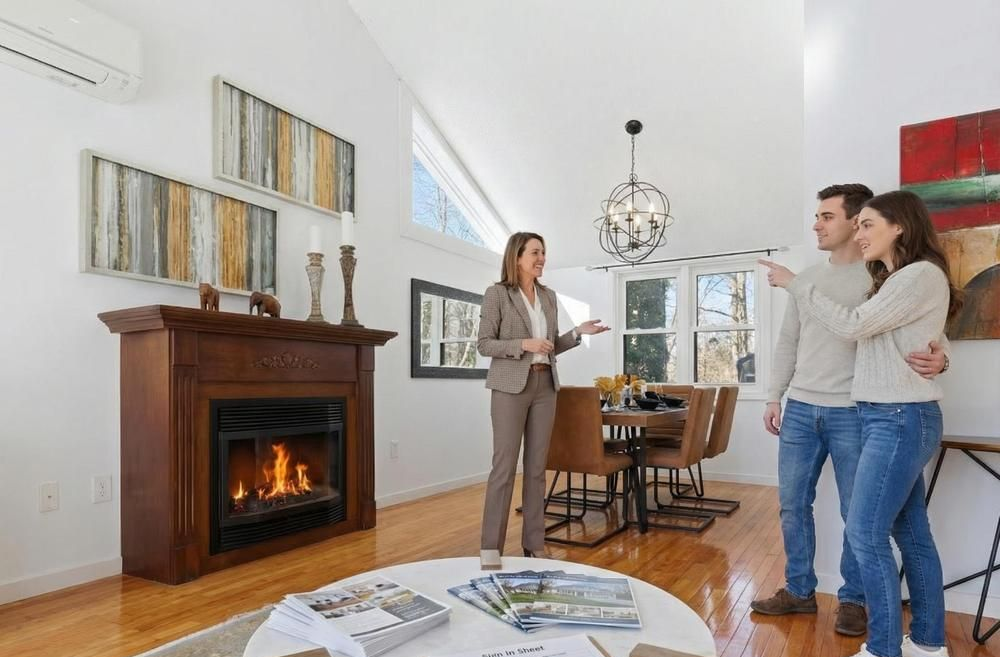
The short answer is no. And there are several very good reasons why. One of the questions we get asked surprisingly often at Rover Realty is whether sellers should stay home when potential buyers come to see their house. We understand why sellers ask. After all, it's their home. They know everything about it, and they may think being there to answer questions or point out special features will help sell it. Unfortunately, the opposite is usually true. In fact, having sellers present during showings can make buyers uncomfortable, limit their interest in the home, and even hurt the seller's negotiating position. Here's why we strongly recommend that sellers leave during showings. 1. Buyers Need to Picture Themselves Living There When buyers walk into a home, they're not just looking at the number of bedrooms or the size of the kitchen. They're trying to imagine what their life might look like if they lived there. Where would their furniture go? Would their kids enjoy the backyard? Could they see themselves cooking dinner in that kitchen? That's much harder to do when the current owners are standing nearby. Buyers may feel like guests in someone else's home rather than potential owners of their future home. Our goal is to help buyers mentally move into your house before they ever write an offer. Having the sellers there makes that much more difficult. 2. Buyers Won't Speak Freely Imagine walking through a home and noticing that the kitchen needs updating or that the primary bedroom seems smaller than expected. Would you feel comfortable saying that out loud if the homeowner was standing right next to you? Probably not. Buyers need to feel comfortable discussing what they like and don't like with their real estate agent. Those conversations are an important part of the buying process. Sometimes an objection can be addressed right there during the showing. For example, a buyer might say the living room looks too small for their furniture. Their agent could point out another furniture arrangement that might work better. But if the seller is standing there, the buyer may simply stay quiet and leave without giving the home serious consideration. 3. Sellers Often Share Too Much Information This is one of our biggest concerns. Sellers generally have good intentions. They want to tell buyers about the upgrades they've made, the wonderful neighbors, or why they love the neighborhood. But conversations can quickly move into areas that sellers really shouldn't be discussing with potential buyers. For example, a seller might casually mention: "We've already bought another house and really need to get this one sold." "We're moving out of state next month." "We've had a few offers, but nothing has worked out." "We're tired of keeping the house clean for showings." "We're hoping to sell quickly so we don't have two mortgage payments." To a seller, these might seem like harmless comments. To a buyer, they could sound like negotiating opportunities. Suddenly, a buyer may believe the seller is desperate to move or willing to accept a lower price or less favorable terms. Even if that isn't true, the buyer may use that information when deciding what to offer. We've worked hard to position your home in the market. The last thing we want is an innocent conversation weakening your negotiating position. 4. Buyers Can Take Comments Out of Context Sometimes sellers share information that isn't necessarily bad but can be misunderstood. Maybe a seller mentions that they replaced the air conditioner because the old one kept breaking down. The seller thinks they're highlighting a valuable upgrade. The buyer might start wondering whether the home has had other maintenance problems. Or perhaps the seller mentions that the neighbors recently installed a pool and there was a lot of construction noise. The buyer may walk away thinking the neighborhood is noisy. A simple comment can create concerns that weren't there before. This is why we prefer that questions about the home come through the real estate agents. We can provide accurate information, explain the details, and make sure buyers receive the proper context. 5. Following Buyers Around Isn't Helpful We know sellers are proud of their homes, and they should be. But buyers generally don't want a guided tour from the homeowner. They want to explore the rooms, open closets, look at storage space, and talk privately with their agent. When sellers follow buyers around pointing out every improvement, it can feel more like a sales pitch than a home showing. And nobody enjoys feeling pressured when they're making one of the largest purchases of their life. Your home should have the opportunity to speak for itself. What If I Have Pets or Work From Home? We understand that leaving isn't always convenient. Maybe you work from home, have small children, or need to make arrangements for pets. That's why we work with our sellers to establish showing instructions that are reasonable for their situation. Sometimes that means requiring advance notice, setting specific showing hours, or making arrangements for pets. We would much rather help you create a manageable showing schedule than have you remain in the home during appointments. And if leaving truly isn't possible for a particular showing, we can discuss the best way to handle it. What About Open Houses? The same advice applies. Sellers should not stay home during an open house. Buyers are more likely to ask questions and explore when they don't feel the homeowner is watching them. Let your real estate agent handle the conversations, highlight the home's features, and gather feedback. That's part of what you've hired us to do. Frequently Asked Questions Can I stay in the backyard or garage during a showing? We don't recommend it. Buyers often want to explore the backyard, garage, and outdoor spaces too. It's best to leave the entire property when possible. What if buyers have questions that only I can answer? Their agent can contact us, and we'll reach out to you for the information. You don't need to be present to answer questions. Should I leave information about upgrades I've made? Absolutely. We encourage sellers to share a list of improvements, upgrades, and special features with us before the home goes on the market. We can then make that information available to buyers without requiring you to give a personal tour. How long should I stay away during a showing? Plan to be gone for the entire scheduled appointment. Some buyers take longer than others, so allow a little extra time when possible. What if I have security cameras in my home? Arizona sellers should be careful about recording or listening to private conversations during showings. Audio recording can raise legal and privacy concerns. Discuss your camera setup with your agent before showings begin. Our Advice? Give Buyers Some Space. At Rover Realty, our job is to help you sell your home for the best possible price and terms. Sometimes that means making recommendations that aren't particularly convenient, like asking you to pack up the dog, grab your keys, and head out for a little while. But there's a reason behind that advice. We want buyers focused on falling in love with your home, not feeling uncomfortable around the current owners or looking for clues about how little you might be willing to accept. If you're preparing to sell your home in Mesa, Gilbert, Chandler, Queen Creek, or the surrounding East Valley, we'd be happy to help you develop a showing plan that works for your household while giving buyers the best possible experience. Contact Rover Realty to schedule a Discovery Call and let's talk about getting your home ready to sell.