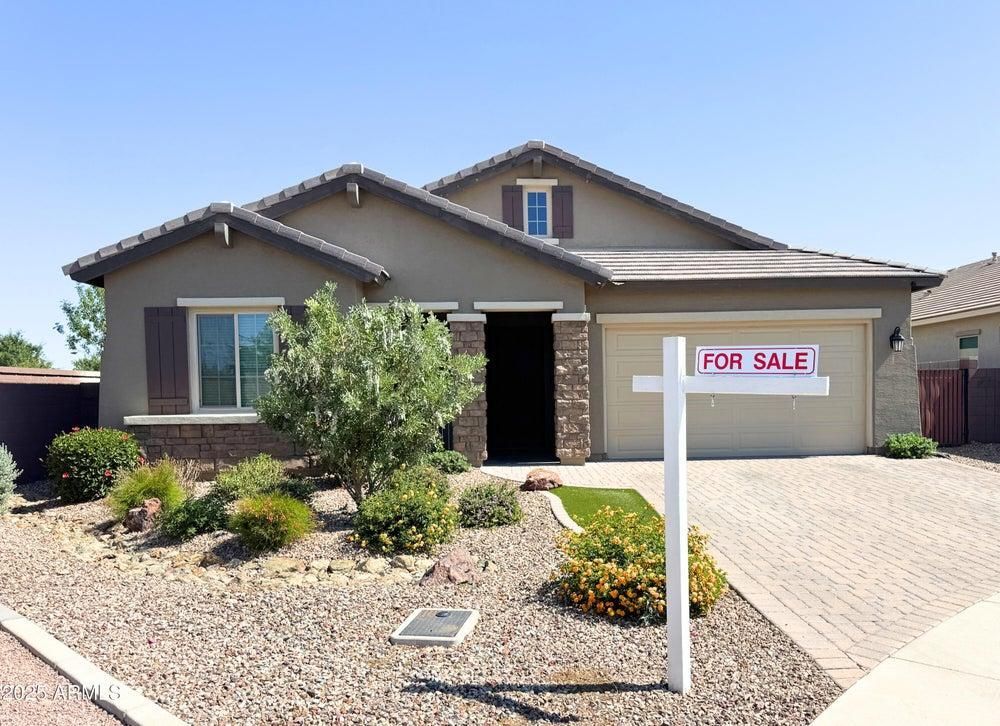
If we are honest, golf course homes in Arizona can feel like a dream. The fairway view. The greenery that looks like it belongs on a postcard. The lifestyle where friends buzz by and it feels like your backyard is part of the course.
But we also know the part that never makes it into the glossy listing photos. Placement matters. And depending on where the home sits, the same course can be either an asset or a costly liability.
Here is how we think about it, what we look for on-site, and the risk factors buyers should understand before they fall in love with a view.
Table of Contents
- Golf Course Home Placement: Why It Matters
- Golf Balls Risk: What to Check First
- Exterior Damage Signs on Golf Course Homes
- Windows & Screens: Impact Warning Signs
- Roof Damage on Golf Course Homes
- Arizona Insurance for Golf Course Homes
- Golf Ball Protection: Netting & Landscaping Options
- Noise & Activity on Golf Course Homes
- HOA Rules for Golf Course Properties
- Golf Course Home Value: Good vs Bad Placement
- Insurance Claims & True Cost of Ownership
- Final Takeaway
- FAQs: Golf Course Homes in Arizona
Golf Course Home Placement: Why It Matters
We love the idea of living on the course. In many cases, golf course homes in Arizona genuinely enhance lifestyle and long-term value.
But placement determines everything. Depending on where the home sits, the course can be a fantastic asset or a costly liability. That is why, when we walk up to a golf course property, we look a little differently than most buyers.
We are not trying to kill the dream. We are trying to make sure the dream does not come with expensive surprises.
Golf Balls Risk: What to Check First
Our first red flag is simple: random golf balls in the yard.
One golf ball can happen. But multiple golf balls usually means the home is sitting in a landing zone.
- Multiple golf balls in the yard often points to frequent impact risk.
- That landing zone risk affects not only exterior appearance, but also long-term maintenance and insurance exposure.

Exterior Damage Signs on Golf Course Homes
Next, we slow down and focus on the exterior. Arizona sun makes it extremely difficult to match paint over time, so repairs can stand out even when they were done “correctly.”
When we see older repair patches shaped like small circles and scattered across the home, it is a neon sign that prior damage may have happened there.
And here is the part many buyers miss. You might not notice those repairs during the first or second visit. You start noticing them after you see the home multiple times and you compare surfaces and age.
So we ask ourselves real questions:
- Were these repairs done right before the house sold?
- Or are they the total result of years of living there?
- Do the repair patterns suggest frequent impacts in certain areas?
Windows & Screens: Impact Warning Signs
We also look at the window situation. If one window looks significantly newer than the rest, there is a good chance it was replaced after a golf ball strike.
Screens can tell the story even faster. In one home we toured, the screens had tears almost exactly the size of a golf ball, showing up in numerous spots across the house.
That kind of pattern matters because it suggests a consistent strike risk, not a one-time accident.
Roof Damage on Golf Course Homes
Then we look up.
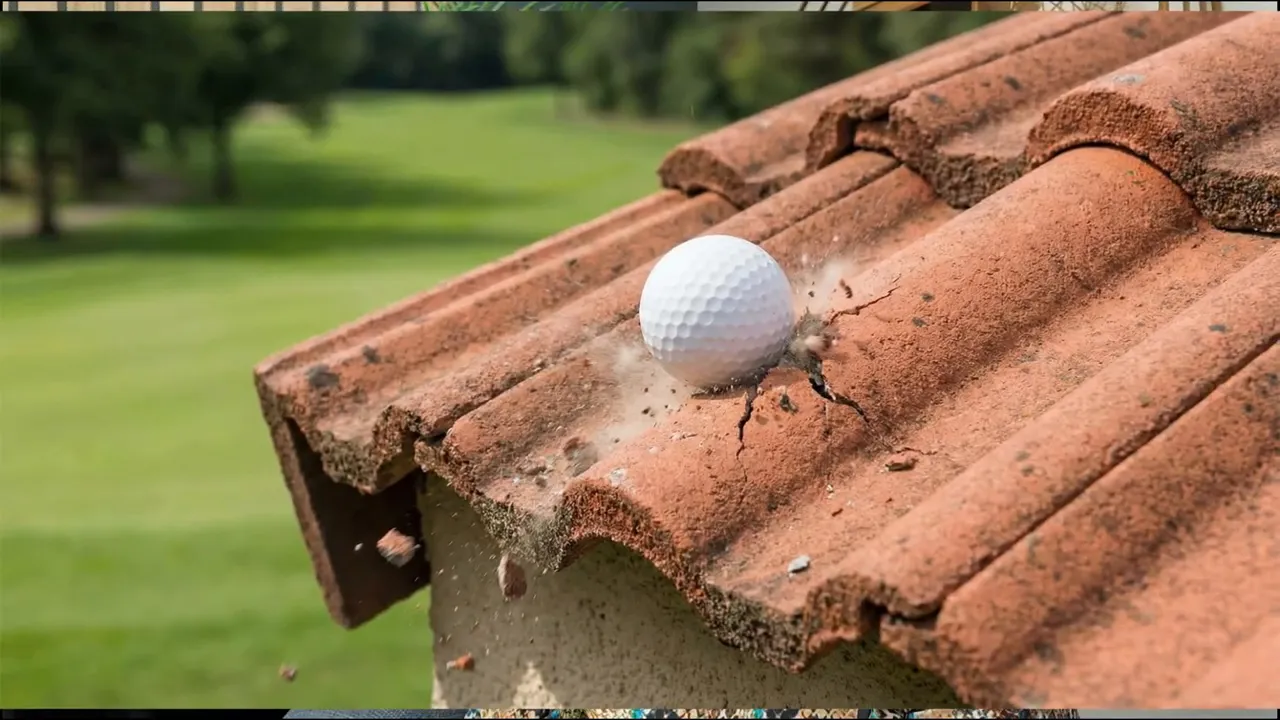
Roof damage is often obvious when a golf ball hits concrete roof tiles. The tile is going to shatter or break, creating an opening where water can penetrate. Over time, that water gets under the roof’s underlayment and starts deteriorating it.
The reason roof repairs can escalate is simple: when damage exists long enough, the repair becomes more serious and more expensive.
Arizona Insurance for Golf Course Homes
Here is a question we hear constantly: who is liable if a golfer knocks out a window on your home in Arizona?
Many buyers are surprised by the answer.
We commonly see signage around golf courses that reassures golfers with statements like “be careful” and that they are liable if they hit someone’s home. That messaging can feel comforting.
But legally, it does not always work that way.
In Arizona, courts often apply what is called an assumption of risk. In simple terms, if you choose to buy a home on or next to a golf course, the law often treats a flying golf ball as a foreseeable part of that environment.
Because of that, damage from a routine bad shot is usually not considered negligence on the golfer’s part. For a golfer to be held legally responsible, buyers typically have to prove reckless or intentional behavior, not just a bad slice or hook.
That is one reason homeowners insurance often ends up covering the damage. Even when course signs claim the golfer is responsible, the handling under Arizona law may not match what signage implies.
Golf Ball Protection: Netting & Landscaping Options
None of these observations automatically mean a home is bad. It means we should slow down, evaluate risk, and decide how much risk we can live with.
And importantly, you can mitigate the exposure. Nothing is perfect, but some solutions reduce damage and improve safety.
Large netting systems
Some homeowners install large netting systems that stand around 10 feet above the house. They work, but they can be expensive. They can also be visually intrusive, especially if you want an open golf view.
Built-out sunscreens
Another solution is built-out sunscreens that extend out from the window itself. The screen absorbs impact before it reaches the glass. In other words, it acts like a buffer rather than letting the window take the hit directly.
Landscaping
Properly placed trees can help slightly, but they are not armor. Landscaping can reduce some risk, but it cannot eliminate it.

Noise & Activity on Golf Course Homes
Another factor buyers sometimes forget is sound and activity.
Depending on where the cart path runs, you may hear golfers as early as around 6:20 a.m. in summer, and maybe closer to 7 in winter. It is a timing issue, but it also ties to your sensitivity to noise.
Some courses also host events like glow ball golf or night soccer where holes are changed into large kicking areas. If you live nearby, you may hear activity even into the evening.
We have friends who live on a golf course in a great location. They love their setup, but they have still had moments where we heard things we did not necessarily want to hear ourselves.
HOA Rules for Golf Course Properties
If you are buying a golf course home in an HOA, rules matter. HOAs often require view fencing or a block wall option.
More specifically, the backyard is frequently visible from the course or a cart path, walking path, or similar area. Because of that visibility, homeowners may be subject to stricter exterior rules similar to what you would see on the front yard.
HOAs may include:
- View fencing or a permitted block wall limited to about half wall height (often called a pony wall)
- Limitations on landscaping
- Limitations on shade structures or screens
- Limitations on patio changes
The big takeaway is simple: you want to know these requirements before you buy, not after.
Examples of golf course communities buyers ask about
When buyers ask about golf communities in the Phoenix area, we often hear names of both 55 plus and non-55 plus developments. For private courses, examples include Sunlakes, Oakwood, Ironwood, and Springfield golf resort. For 55 plus, people often ask about communities such as Sun Lakes Country Club and also about certain semi-public or public options like Apache Wells, Greenfield Lakes, ViewPoint RV and Golf Resort.
We mention these not as an endorsement, but because communities do vary, and course design and rules vary with them.

Golf Course Home Value: Good vs Bad Placement
Now the question everyone wants answered: what does placement do to price?
In many cases, a great placement gives buyers a premium because it improves the view and reduces the most obvious risk factors. A bad placement does the opposite.
Great placement
Great placement might mean:
- Sitting on the side of a fairway
- Being elevated
- Not being in the landing zone
- Not being right on the cart path
When placement is great, we often see a perceived value premium anywhere from 5% to 15% over similar non-golf course lots in the same community.
That premium can translate into practical advantages:
- Faster resale
- A broader buyer pool
- Fewer inspection red flags from golf-risk buyers
Bad placement
Bad placement can include being in a T-box, aimed in an aim line, near a dogleg, or in landing zones. It can also include being in a narrow fairway with pinch points.
In the other direction, those placements can reduce perceived value by 5% to 20%, depending on the community and the home itself.
We also tend to see measurable consequences:
- Longer days on market
- More inspection objections
- Insurance concerns showing up in buyer conversations

For a home around $700,000, the perceived swing could be significant. A great placement might add perceived value of tens of thousands, and a bad placement could shave off a larger range.
Insurance Claims & True Cost of Ownership
One of the biggest value-shifters we see lately is insurance claims.
Insurance companies are running tight guidelines. A single claim can lead to higher premiums. Two claims can sometimes result in cancellation, and if that happens, it affects the next buyer too.
That is why, in our contract process, we ask for sellers to provide an insurance claim loss report within 5 days. Buyers should see what the prior homeowner’s claims look like, because those claims can directly affect the new buyer’s insurance costs.
Final Takeaway
Golf course homes can be amazing, especially if we enjoy the golfing lifestyle, the ambiance, and the way the course greenery feels like an extension of the backyard.
But this is not a purchase where we should fall in love first and ask questions later.
Placement matters 100%. Observation matters. And working with a realtor who understands the risk, the HOA rules, and the real-world impact of course design can save you from expensive surprises.
If you’re considering a golf course home in Arizona and want help finding the right one, call or text (602) 782-2444 and we’ll help you evaluate what the view is really worth and what the risk looks like.
FAQs: Golf Course Homes in Arizona
Are golf course homes in Arizona always risky?
No. We do not treat “golf course” as an automatic dealbreaker. We treat placement as the deciding factor. A home can enhance lifestyle and value when it is not in high-impact areas, and it can feel much less risky with the right observation and mitigation steps.
What are the first signs of potential golf ball impact damage?
We start with visible golf balls in the yard. Then we look for exterior repair patches that stand out over time, windows and screens that look newer or show tears shaped like golf ball impacts, and any roof tile issues that could allow water penetration.
Who is liable if a golfer damages a home in Arizona?
In Arizona, courts often apply an assumption of risk. Routine bad shots may not make the golfer legally liable unless reckless or intentional behavior can be proven. Because of that, homeowners insurance often ends up covering damage.
Do mitigation upgrades eliminate all risk?
Nothing eliminates risk completely. Netting systems can reduce damage and improve safety but can be expensive and visually intrusive. Built-out sunscreens can absorb impact before it reaches glass. Landscaping can help slightly but is not armor.
What HOA rules should golf course buyers expect?
Many HOAs require view fencing or a block wall limited to about a half wall or pony wall height because backyards are visible from the course or cart paths. They can also restrict landscaping, shade structures, screens, and patio changes.
How much does placement change home value?
Great placement may add perceived value of roughly 5% to 15% versus comparable non-golf lots in the same community. Bad placement can reduce perceived value by roughly 5% to 20%, depending on community, home presentation, and risk level.